TenAsia reporter Ryu Yeji examines the entertainment industry’s future and its ripple effects.

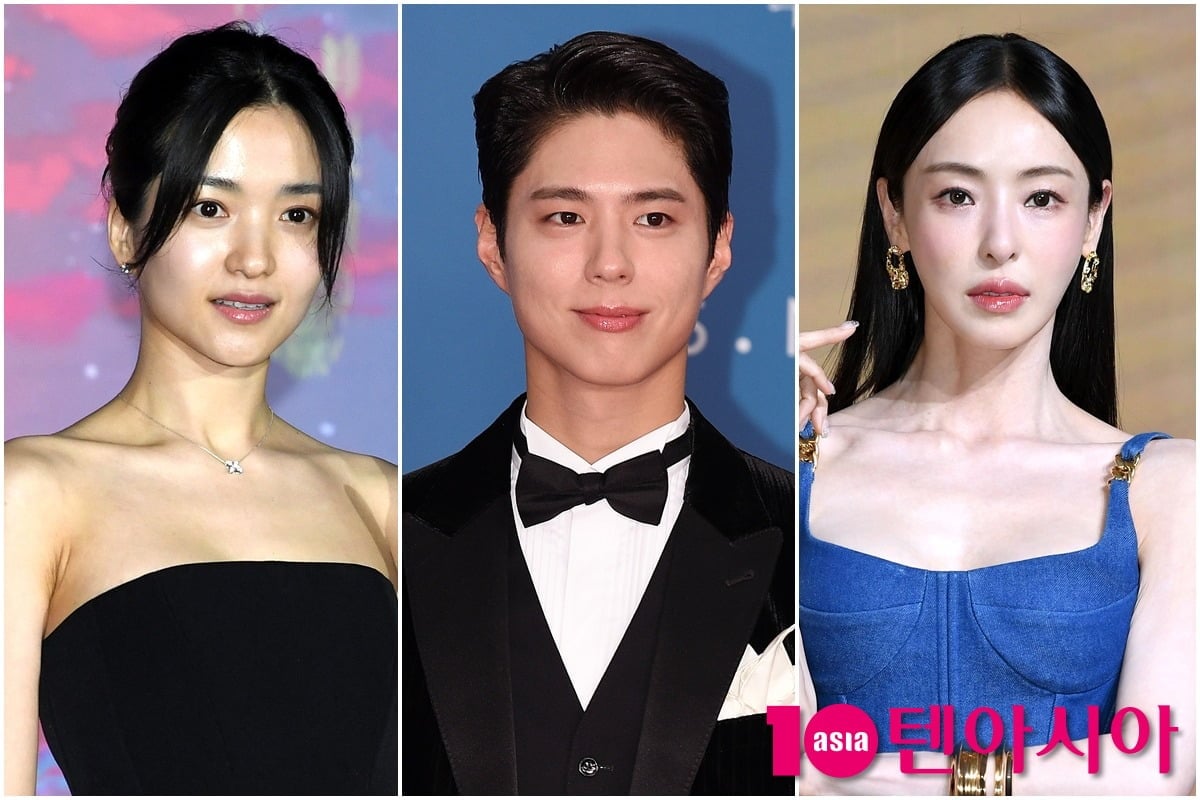
The ongoing series 'Bogum Magical' exemplifies this trend. With Park Bo-gum, Kwak Dong-yeon and Lee Sang-yi among the cast, the show stages a hair-salon setting to present everyday moments. Instead of exaggerated reactions or punchlines, it unfolds in a relaxed, natural manner.
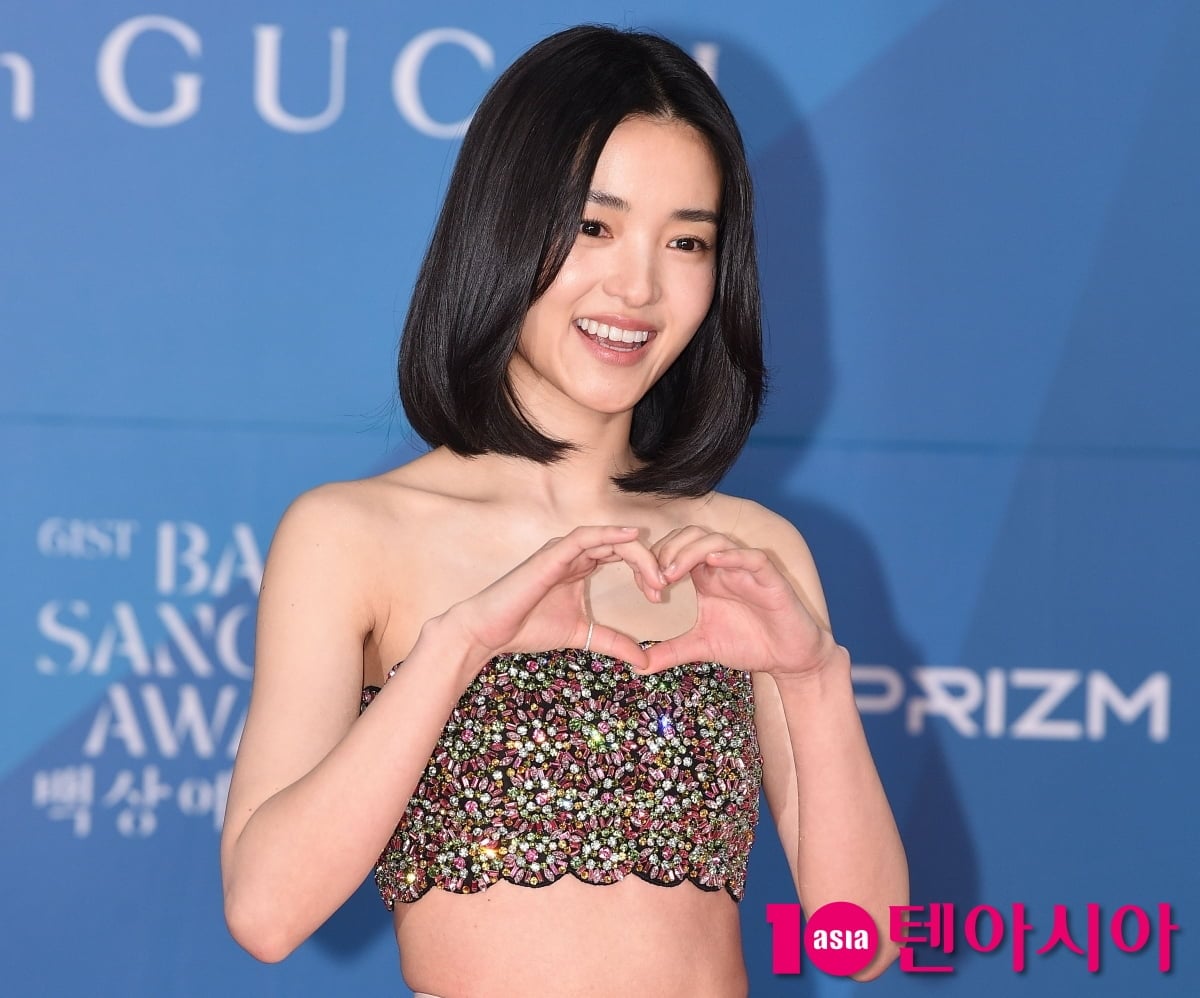
'After-School Teacher Taeri' follows a similar blueprint. Built around Kim Tae-ri and featuring Choi Hyun-wook, Kangnam and Code Kunst, the show generated significant buzz simply because Kim Tae-ri—an actress not known for frequent variety appearances—signed on.
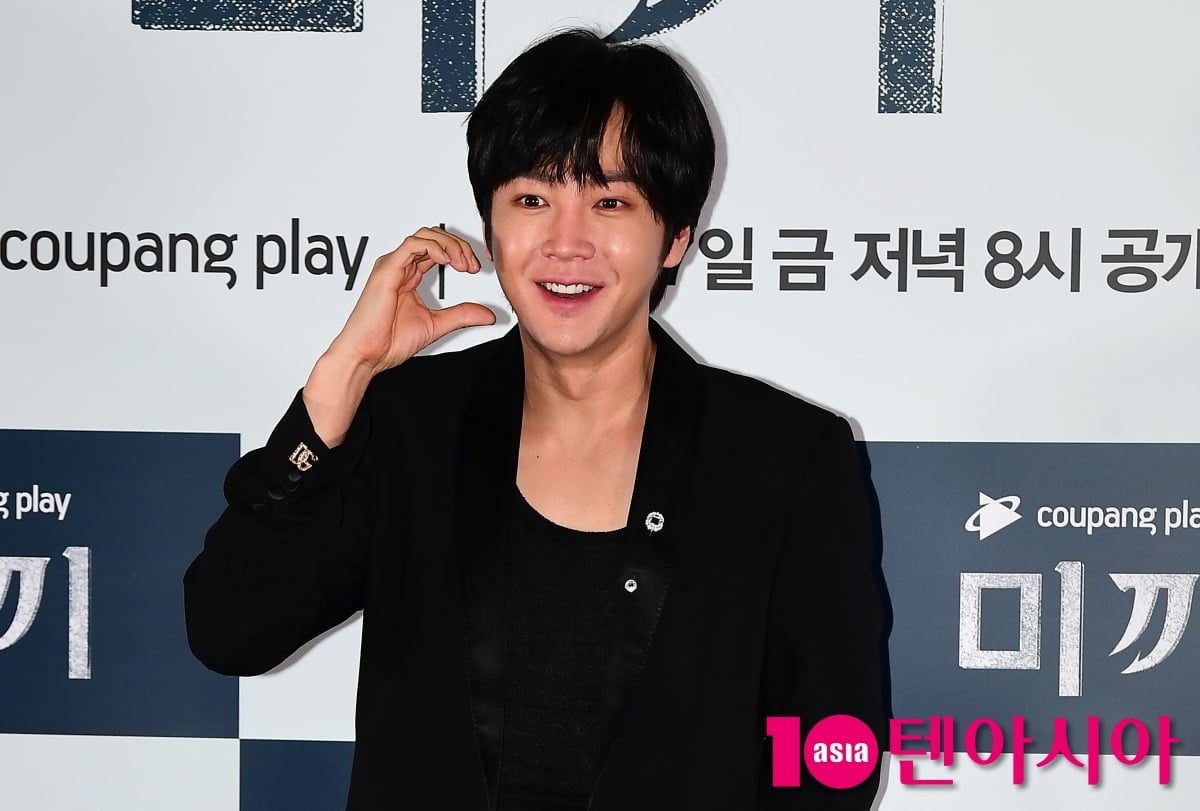
The forthcoming 'Gugidong Friends' continues the pattern. Aside from Jang Do-yeon, the cast—Lee Da-hee, Jang Keun-suk, Choi Daniel, Ahn Jae-hyun and Kyung Soo-jin—is largely composed of actors. The series is an observational reality program that tracks same-age participants living together and sharing daily life.
All three shows share obvious traits: actor-led casts, formats built around quotidian relationships, and a subdued tone. They prioritize showcasing cast chemistry and charm over generating laugh-out-loud moments. In short, they are content designed to observe actors rather than to provoke robust variety-style comedy.
This approach dovetails with current viewing habits. As OTT consumption grows, audiences are gravitating toward programming that’s easy to watch—shows that don’t rely on high-voltage humor. A well-known actor’s mere participation can create headlines, and actors tend to invite fewer controversies than traditional variety personalities—both practical incentives for producers.
When a performer who rarely appears on variety reveals a new facet of their persona, it naturally draws viewers, making actor-driven casting a safer bet from a production standpoint.

But there’s a trade-off. Leaning repeatedly on this “safe” formula risks flattening the spontaneity and edge that define classic variety. Relying on observational moments, quiet conversations and organic chemistry can diminish the quick thinking and unexpected turns that often produce the most memorable laughs. The consequence is a landscape where who appears on a show can matter more than how well the show actually creates humor.
Actor-led observational formats are undoubtedly aligned with current viewing patterns and offer programming stability. Still, if this approach becomes the dominant mode, tvN’s once-distinctive variety identity could gradually fade. Whether the network can continue to captivate audiences by leaning primarily on casting power remains an open question.
Ryu Yeji, TenAsia reporter ryuperstar@tenasia.co.kr