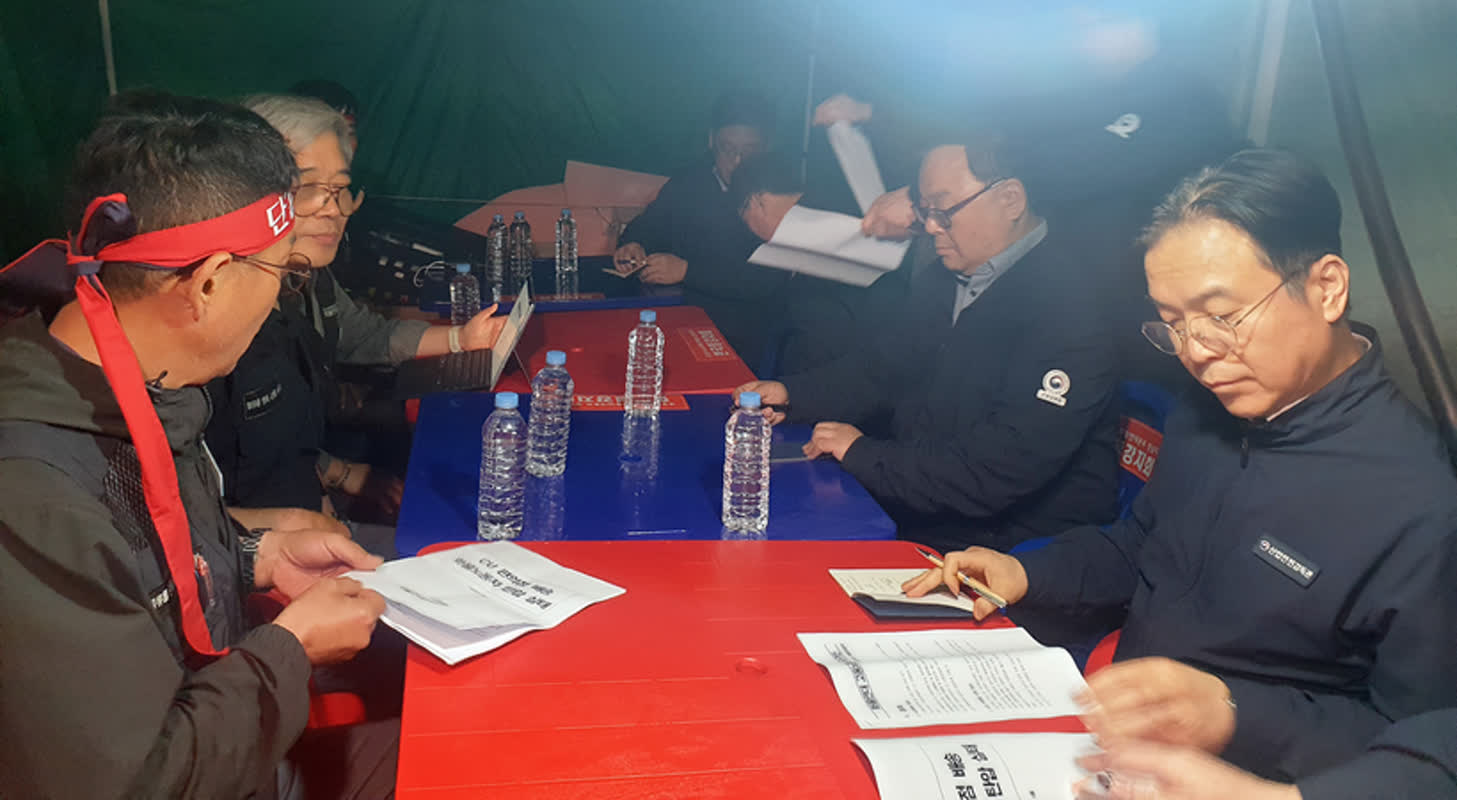
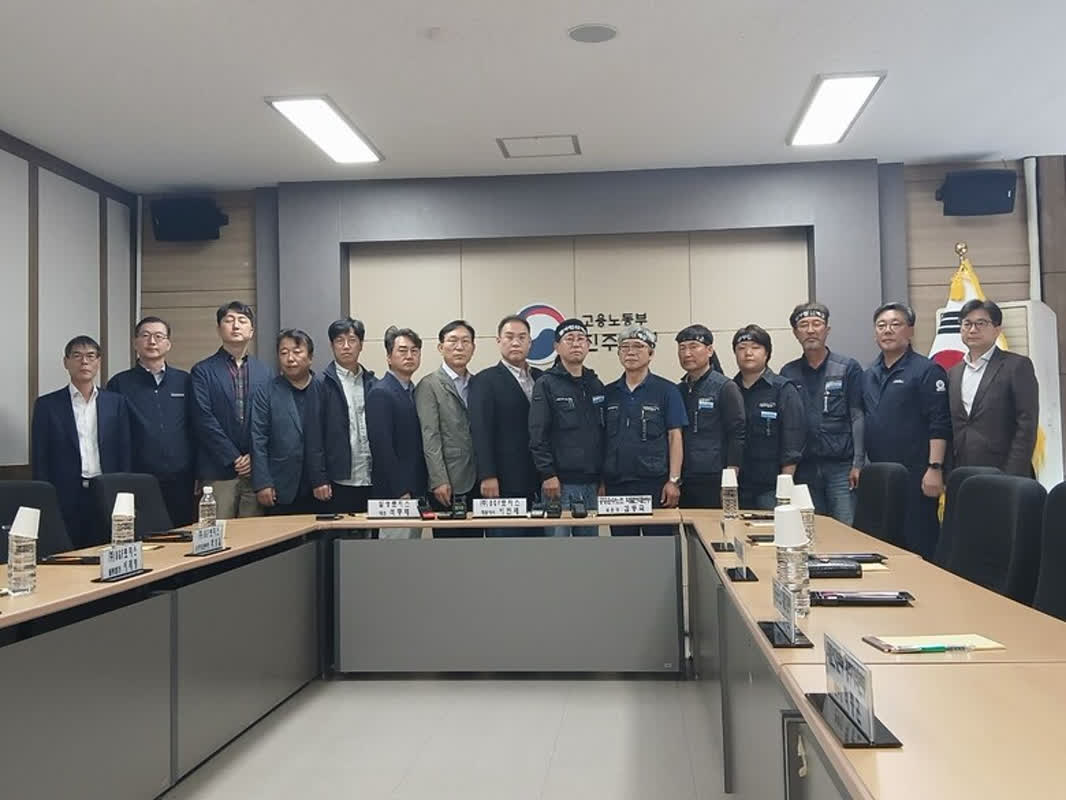
This column previously proposed a plan to channel Samsung’s operating profits into innovation across society (April 30 column, "Samsung’s Operating Profit: Innovation for the Whole of Society"). On April 11–12, the Central Labor Relations Commission again chaired talks between Samsung’s management and labor representatives, but the discussions remained within the existing framework. We propose taking one step further by launching a broader public debate on this issue.
Samsung’s gains are not its alone. They reflect national industrial policy, public infrastructure, and the contributions of countless suppliers and workers. The semiconductor industry has been designated a national strategic sector and has received substantial tax incentives and R&D support; during crises, the banking sector and government restructuring policies helped rescue Samsung. Given that history, these unexpected excess profits should be used to reciprocate the support Samsung has received from Korean society. The debate must go beyond adjusting internal distribution ratios and expand to corporate philanthropy, innovation funds, and supplier support.
Bonus distribution is primarily a matter for bargaining between labor and management, but the scale of these extraordinary excess profits has elevated the issue to a matter of public concern that extends beyond the labor–management framework. Many of the questions raised cannot be explained or resolved by internal company practices alone. Above all, this surprise windfall is not solely the product of Samsung’s innovation.
It is difficult to say who should lead this social debate. Still, it is preferable that civil society and the media take the initiative. To connect corporate gains to the broader public interest, a public actor must open a forum for dialogue. The media can publicize the issue and help build social consensus, while civil society can represent diverse interests and provide balance. The discussion would carry greater weight if Samsung’s management and labor joined it.
If Samsung establishes a model precedent in handling bonus distribution, it will strengthen its brand and cement its position as a global leader. Even the process of exploring fair distribution through public dialogue could help upgrade South Korea’s standing.