Im Byung‑sik, Visiting Professor at Soonchunhyang University
 Small Japanese towns leave me with two consistent impressions: a relaxed tempo and a quiet, poignant sorrow. During the first few days of a visit, I’m captivated by the calm and stillness. Over time, however, places facing decline take on a bittersweet air. In Lee Mun‑yeol’s You Will Never Return to Your Hometown, the author looks back at a vanished hometown with deep melancholy. Gwanchon Essays likewise explores the loss of home and communal memory. In many ways, Japan’s small towns feel like preserved models of a hometown that has already faded.
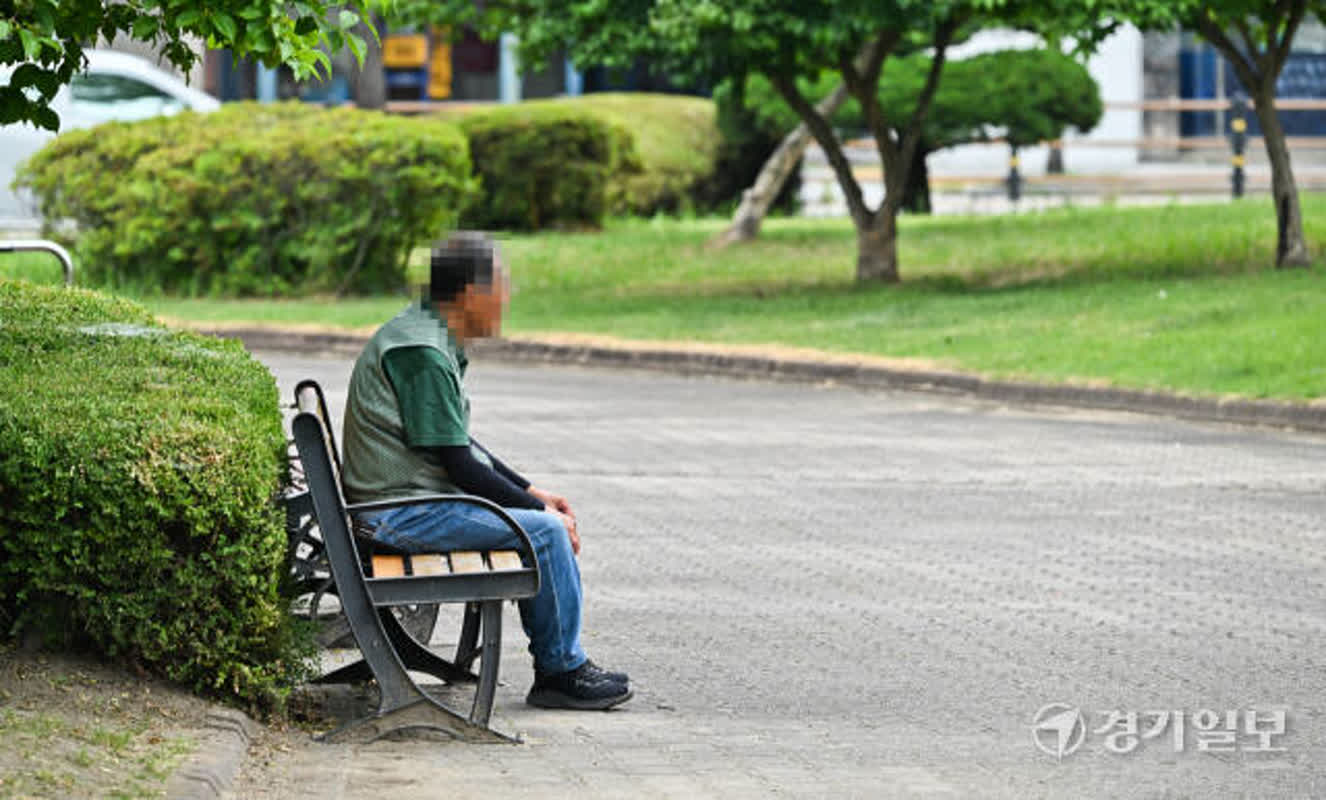
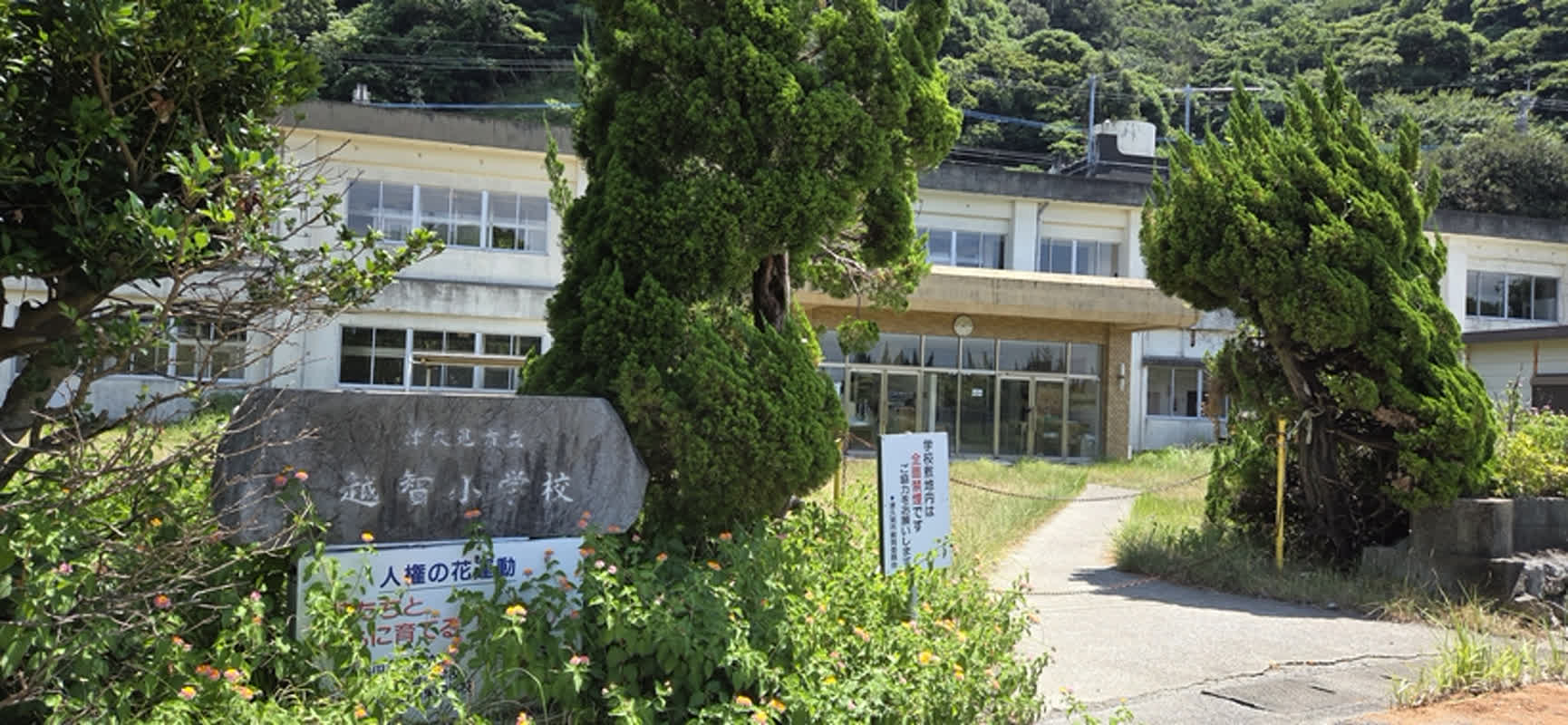
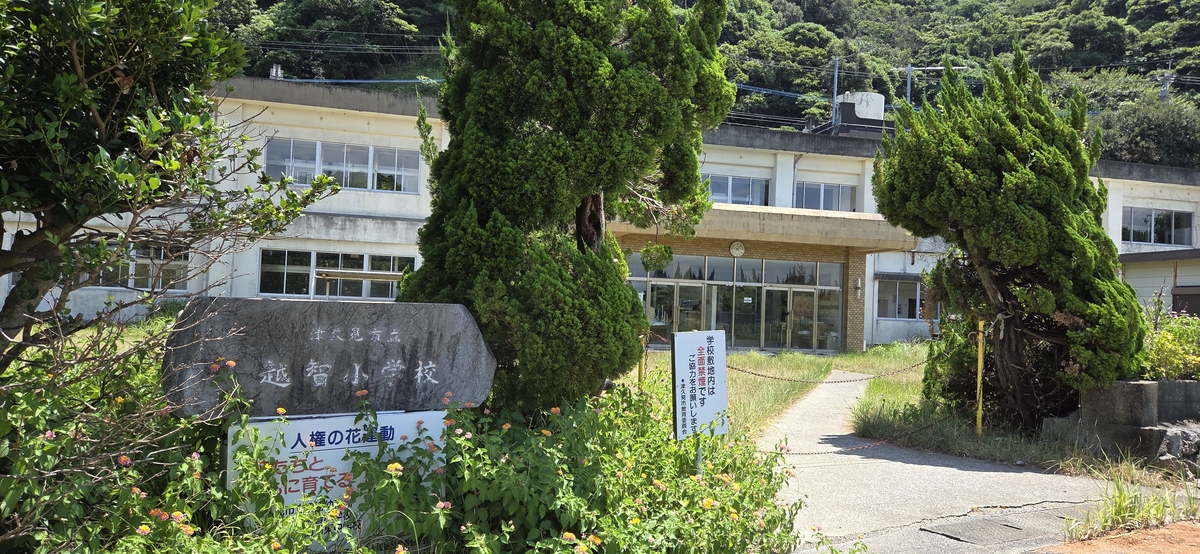
 I often gauge our own future against the scene in Japan’s small towns. Empty houses outnumber people in many areas. Schools have closed because there are no children left to attend. Rural train stations operate without staff and serve only a handful of passengers each day. Shopping streets sit with their shutters down for years. These images are no longer foreign to us. You encounter them throughout Japan — in Yubari (Hokkaido), Hirosaki (Aomori), Shimanto (Kochi) and Ibusuki (Kagoshima). Even at midday, people are scarce; most visible residents are in their 70s and 80s. Once‑bustling local communities are quietly growing old.
According to Japan’s Ministry of Internal Affairs and Communications, roughly 9 million homes were vacant as of 2025 — about double the 4.5 million recorded in 1993. Vacant houses are a symptom, not the root cause. Behind them lie three concurrent trends: falling birthrates, population concentration in the Tokyo metropolitan area, and rapid population aging. Japan’s population peaked at about 128 million in 2008 and has declined since. Last year, the number of births fell below 760,000.
Tax policy also amplified the vacant‑house problem. For many years, demolishing a house could increase tax burdens, so owners often left properties standing, even if unoccupied. The government responded in 2015 with a special Akiya (vacant‑house) law that reduced tax incentives for keeping empty homes, and in 2023 it expanded regulations to cover poorly maintained vacant properties. Enforcement, however, has been slow, and millions of homes remain neglected.
Young people have concentrated in Tokyo, leaving rural areas populated largely by older residents. The pattern resembles Korea’s intensifying Seoul‑centric dynamic. When the older generation dies, their hometown houses often remain empty — children who have settled in Tokyo have little reason to return. Wakayama and Tokushima prefectures have the highest vacancy rates at 21.2% each, followed by Kagoshima (20.4%), Kochi (20.3%) and Ehime (20.1%). Even Tokyo is not immune: about 1 million vacant homes are located there.
Today, Japan feels like a country in which only Tokyo thrives. The greater Tokyo area is home to over 37 million people. Streets in Omotesando, Roppongi, Ginza, Shinjuku and Shibuya are busier than Seoul’s Gangnam or Myeongdong. Tokyo housing prices continue to rise, while rural properties cannot find takers even when offered for free. National and local governments have tried to move empty homes through “akiya banks,” offering houses for as little as 1 yen (approximately $0.0067) and even providing relocation subsidies — but these measures have had limited impact. The regions lack robust education, healthcare, transportation and job infrastructures.
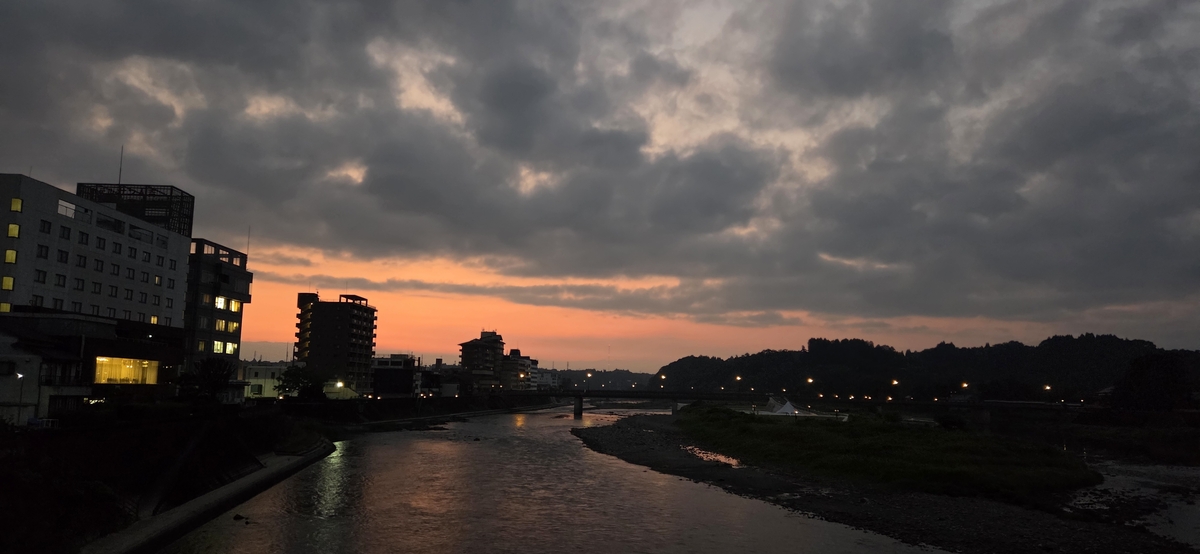 Vacant houses, shuttered schools and discontinued rail lines make the reality unmistakable. Regional train services that once ran regularly have been cut, and school closures have surged as student numbers fall. A school’s disappearance is not just an isolated event; it signals the loss of the next generation and the erosion of the community itself.
 These scenes are familiar to Korean readers. Regional universities face existential threats, and empty homes and closed schools are increasing in rural towns and small cities. Young people head to Seoul for work, and local vitality wanes. Japan’s regional decline could well be a preview of our own near future.
The government has recently proposed expanding daytime populations, relocating additional public institutions, and improving regional transit networks. But fiscal support alone will not be enough. Young people must be able to envision a future in these regions, and the communities must offer adequate education, culture and healthcare. Regional disappearance is more than a demographic problem; it raises fundamental questions about restoring national balance and rebuilding community.
The lesson from Japan’s vacant‑house crisis is not merely about economic stagnation. Faced with landscapes where people and communities vanish, we must choose our priorities. Rising vacancy rates are not simply a real‑estate issue; they are the residue of community collapse. Empty houses and closed schools bring not only material decline but also a pervasive lethargy.
Regional extinction does not strike suddenly. It arrives after a long decline: young people leave, the sound of children’s laughter fades, and schools and railways stop running. On a recent trip to Aichi Prefecture, I saw ominous signs. Outside Nagoya — a city synonymous with Toyota — smaller towns such as Tokoname, Gamagori and Shinshiro have slipped into decline. Walking the old downtown alleys during the day felt heavy. Behind Nagoya’s glittering station and automobile industry, Aichi, too, is quietly aging. The akiya scattered across Japan are a future that has already reached our shores.

- Nvidia’s Jensen Huang wins the Banfflee Prize…“Recognized for U.S.–Korea AI semiconductor cooperation”
- Why did so many people flock here? Jeongseon’s population jumped after 14 years — here’s why
- '정용진 효과' 이마트 영업익 14년만에 최대>‘Jung Yong‑jin effect’ pushes E‑Mart’s operating profit to a 14‑year high
- “I used to drink this before my daily workout”…the drink that ruined people’s health while trying to bulk up [Healthy Time]
- Not just evergreen programs…student loans excluded from the New Leap Fund
- When EV subsidies shrink, authorities will weigh ‘supply‑chain contribution’…Tesla likely to qualify [Pick‑conomy]
- U.S. colleges panic as international students vanish — elite universities are not immune
- S&P and Nasdaq hit record highs despite PPI shock, after Jensen Huang’s China visit [Daily International Finance]
- Driver crashed rental car in Jeju just days after getting a license…2,414 cases over five years ranks highest nationwide
- Like raindrops soaking your clothes…subscription fees leak out each month, often unnoticed — about ₩200,000 a month (about $150) [Park Si‑jin’s Global Pick]