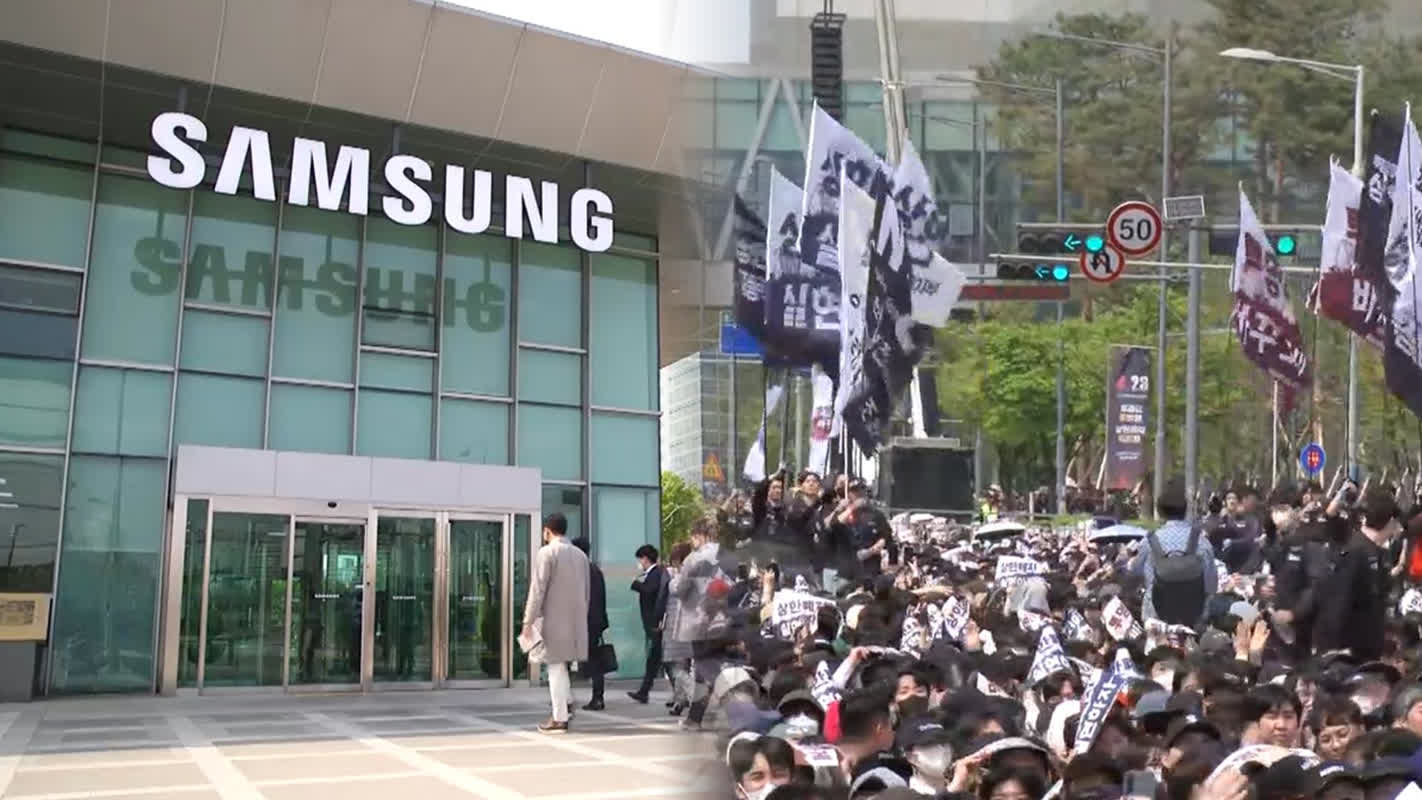
On the 5th, Shin Je-yoon, chair of Samsung Electronics’ board, posted on the company’s internal bulletin that “recent developments have caused serious concern among shareholders, customers and many citizens,” and expressed his apologies in his capacity as board chair.
He warned that if a full strike takes place, “both labor and management would lose their standing.”
Shin said the fallout would go beyond weakened business competitiveness: it would erode customer trust and inflict losses on shareholders and investors, with severe consequences for the national economy. He warned that exports worth hundreds of billions of dollars and tax revenues in the tens of trillions of KRW (roughly tens of billions of USD) could decline, and that currency pressures could reduce gross domestic product (GDP).
He also cautioned that a full strike could damage the company’s supply chain and undermine trust.
Shin said that development and production disruptions and missed delivery deadlines would strip the company of essential competitive advantages and risk customers defecting to rivals, threatening its market position. “Now is the time for every employee to unite and address the problem through sincere dialogue to secure sustainable growth amid fierce competition,” he said.
He urged all parties to work so that the current conflict becomes a basis for a more constructive labor-management relationship, and he called for resolving the dispute through talks.
Academic experts have echoed concerns that a full Samsung strike would cause damage that is difficult to quantify.
At a seminar last month hosted by the Anmin Policy Forum, Song Heon-jae, a professor at the University of Seoul, estimated that a factory shutdown could generate losses on the order of tens to hundreds of millions of KRW per minute (approximately tens to hundreds of thousands of USD per minute) and roughly 1 trillion KRW (approximately 750 million USD) per day. He warned that if a strike drags on, operating profit in the semiconductor division could fall by up to 10 trillion KRW (approximately 7.5 billion USD).
He identified key risks including the erosion of trust assets, permanent market loss driven by switching costs, and lost opportunity costs in the race for dominance in AI semiconductors, warning that “once customers leave, it is difficult to win them back.”
Kim Dae-jong, a professor of management at Sejong University, told the press that the crisis could shake the company’s foundations beyond a simple earnings decline and called the union’s demands for performance-based bonuses excessive.
Business circles have called Shin’s public intervention unusual.
Shin began his public service career after passing the 24th national civil service exam. He served as director of the International Finance Bureau at the Ministry of Finance and Economy, vice chairman of the Financial Services Commission, first vice minister at the Ministry of Strategy and Finance, and as chairman of the Financial Services Commission in 2013. He joined Samsung Electronics as an outside director in 2024 and was named board chair last year.
Since becoming chair, he had largely refrained from commenting on internal or external company matters.
A business official told this outlet that Shin’s unusually public message likely reflects concern about the broad ripple effects a union strike could have on the domestic economy.
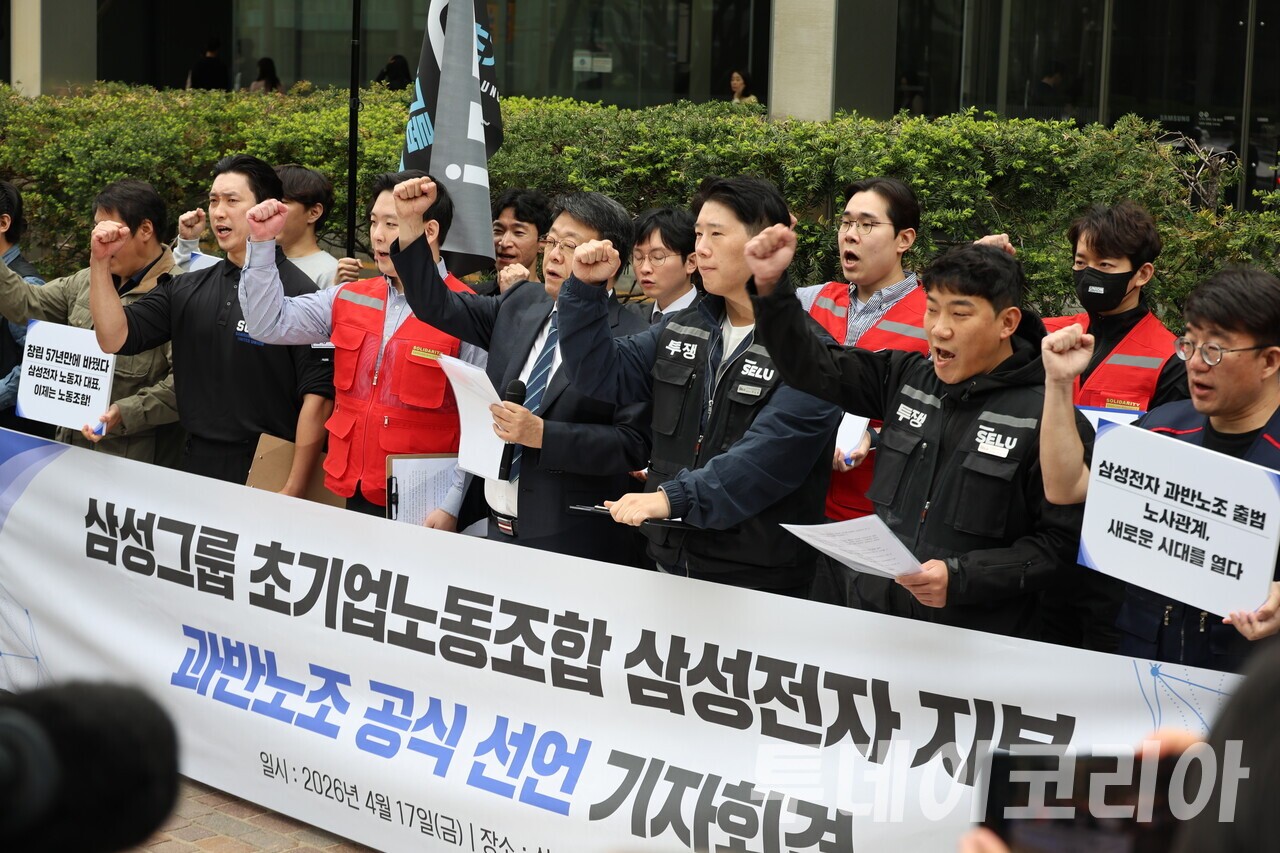
Meanwhile, a group of Samsung Electronics shareholders has strongly rebuked the union’s full-strike threat, calling it a self-inflicted action that would damage corporate value.
The Korea Shareholders’ Movement Headquarters recently issued a “Public Appeal on the Samsung Electronics Strike Crisis” making those claims.
The group warned that if an illegal strike damages the company’s core assets, it will seek damages from all participating union members under a legal theory akin to third-party rights infringement.
They also said that even if a strike does not proceed, they will sue executives who agree to a uniform, unfair performance-bonus deal tied to operating profit, arguing such an accord would severely infringe on shareholders’ dividend rights.
Through the media, the shareholders’ group said, “The company’s semiconductor achievements do not belong exclusively to management, labor, or shareholders,” and urged a rapid public discussion on a reasonable distribution method so that corporate gains circulate fairly to suppliers, national infrastructure, and shareholder dividends.