Wi Seong-gon, the Democratic Party of Korea's candidate for Jeju governor, outlined an intergenerational care plan to address both childcare and eldercare within local communities.
He said the proposal would build a community-based care system by linking shared childcare and eldercare and repurposing underused village spaces.
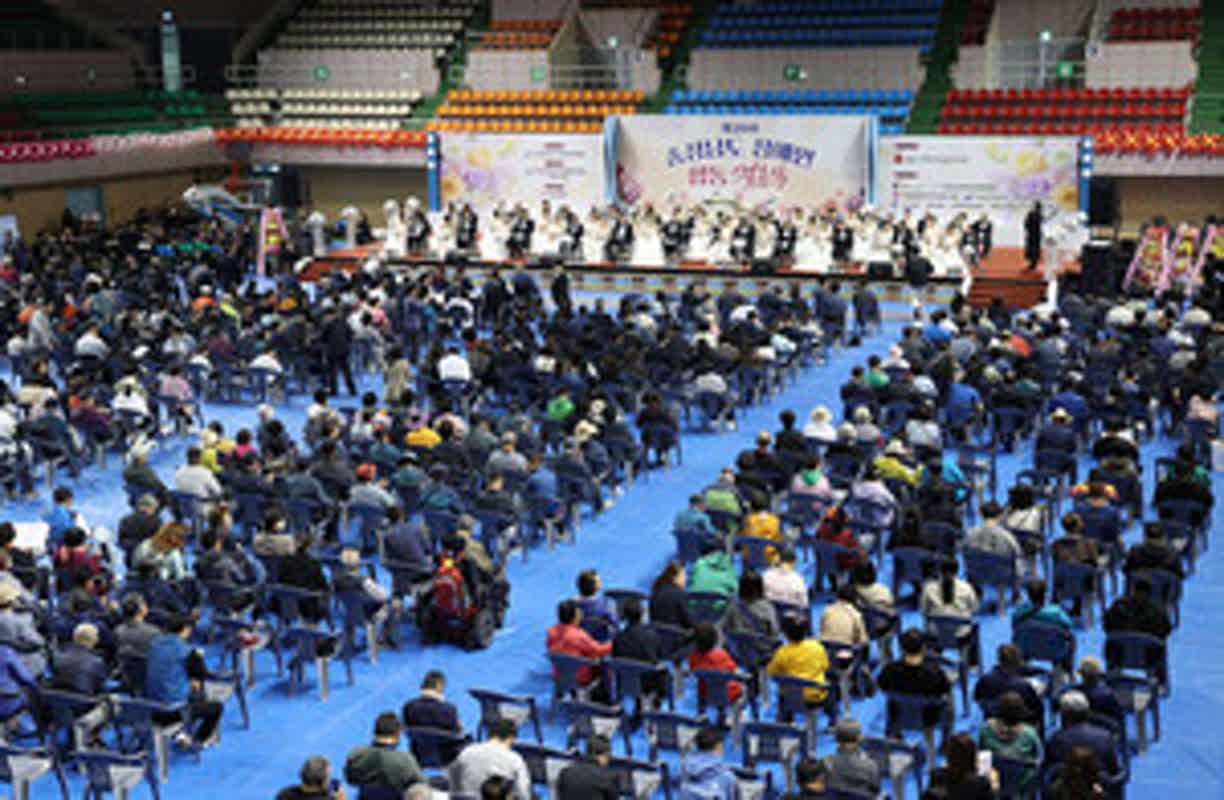
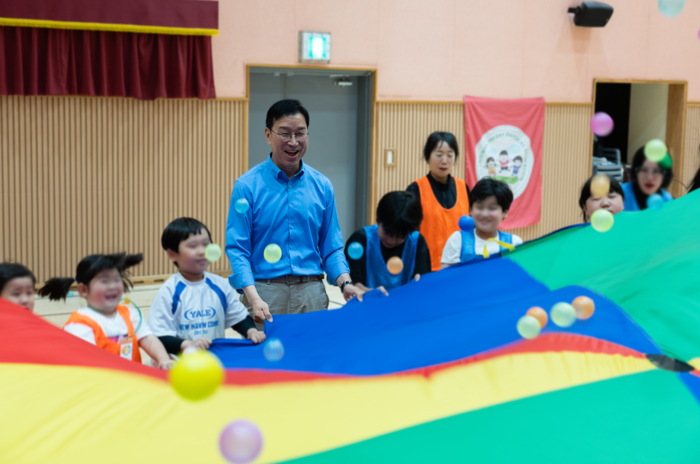
On the 3rd, Wi visited the family field day organized by the Seonul-eum Care Community in Seogwipo, reviewed care operations with parents, and spoke with families participating in shared childcare.
At the event, families took part in hands-on activities and a weekend care program.
The Seonul-eum Care Community is a shared-childcare model rooted in Jeju's traditional mutual-aid practice known as seonul-eum.
Across Jeju, parents form peer-support groups that create care networks to provide shared caregiving on weekdays, weekends and during emergencies.
Wi said he would expand existing shared-childcare policies and pursue an intergenerational care policy that makes use of idle village spaces such as senior centers, community halls and vacant homes.
He proposed colocating eldercare and childcare in the same facilities and said the administration would consider providing administrative support and incentives so village associations can directly participate in running care services.
“I witnessed community members caring for children firsthand,” Wi said. “I will harness Jeju’s communal culture and village resources to establish a community-centered care system where children and older adults receive care together.”