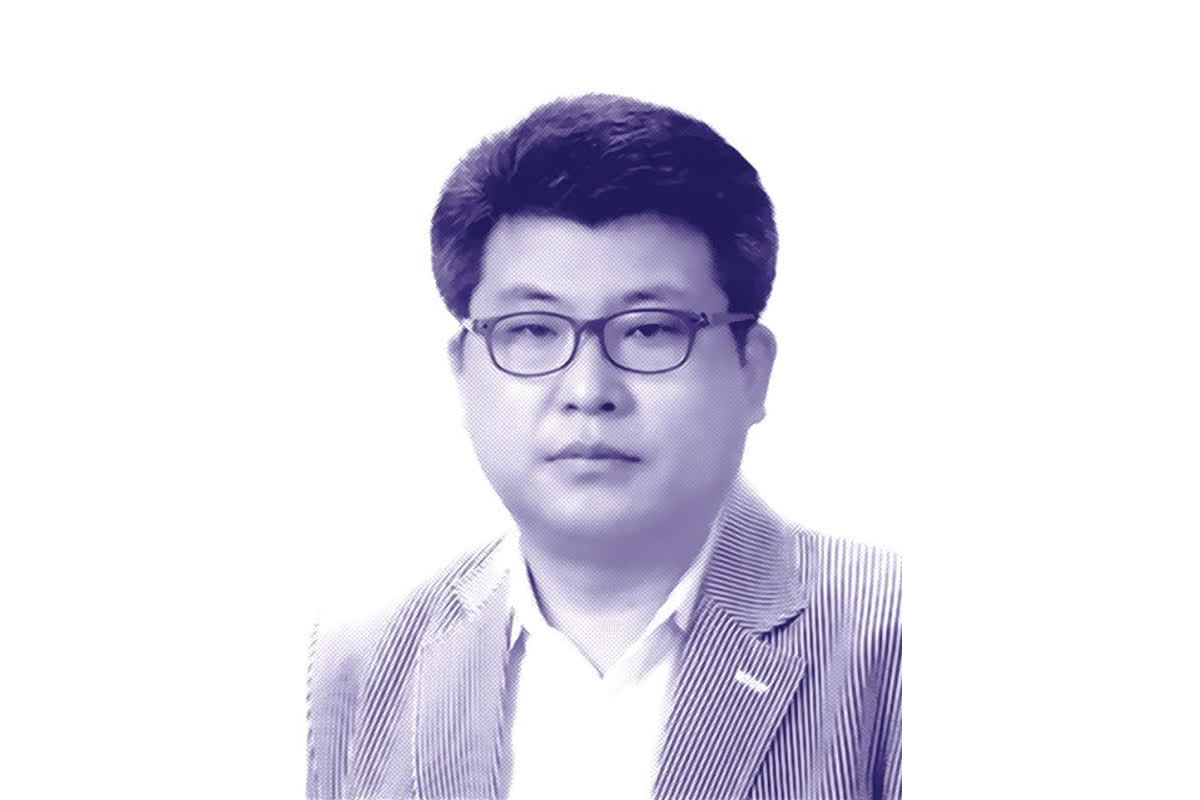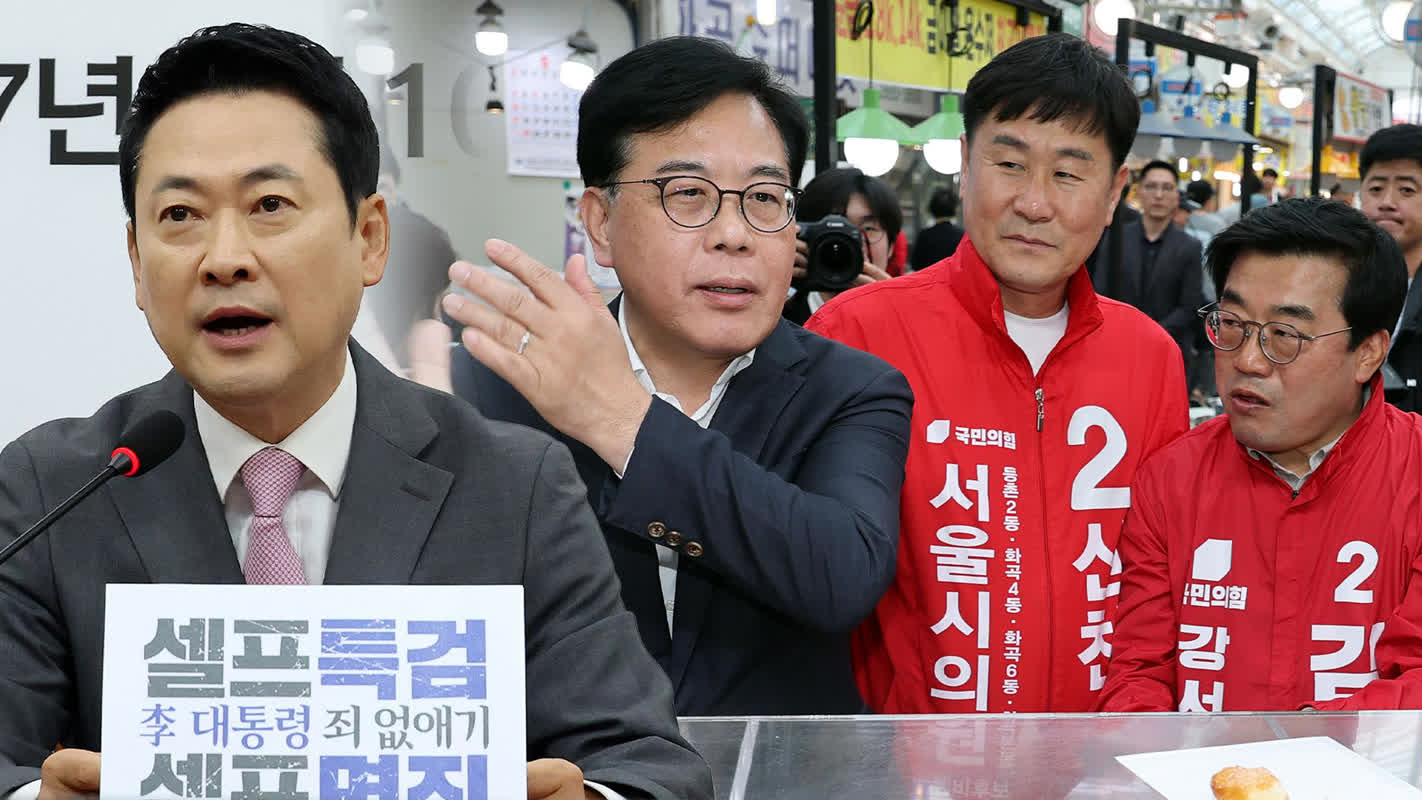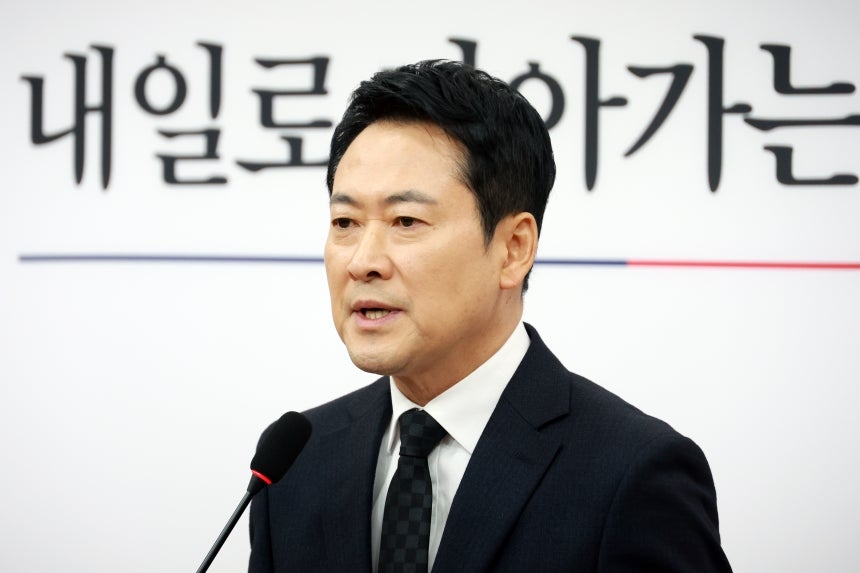
In a Facebook post that day, Jang wrote, “The government says it will crack down on ‘fake news’ whenever people talk about ‘oil price surges,’ ‘shutdowns,’ ‘crises,’ or ‘shortages.’ Instead of policing citizens, officials should pursue diplomatic negotiations. It will soon be clear whether the president is a ‘diplomatic genius’ or an ‘armchair general.’”
Earlier, a Panama-flagged liquefied natural gas (LNG) carrier operated by Japan’s Mitsui became the first Japan-related vessel to exit the Strait of Hormuz since the Iran war, sailing out on the 3rd.
On the 4th, an India-flagged tanker also linked to Mitsui exited the strait, reducing the number of Japan-related vessels anchored in the Gulf because of the Iran war from 45 to 43.
A container ship owned by a French shipowner also passed through and left the Strait of Hormuz on the 2nd.
The People Power Party urged the government that day to designate key medical consumables as national essential items and to implement administrative measures to ensure petrochemical feedstocks are given top priority for production.
Choi Bo-yoon, the party’s chief spokesperson, said in a statement that the prolonged Middle East crisis has disrupted raw-material supply chains and is directly threatening hospitals—the last defense of public health—and called for those measures.
Choi warned, “From children’s cough syrup bottles to IV bags and syringes—the lifelines of emergency rooms—the shortage of essential medical supplies has moved beyond concern and entered a stage of real medical paralysis.” He urged the government to immediately consider emergency production support measures, such as temporary subsidies or tax relief, to prevent production halts caused by rising input costs.