Spring is the perfect moment to refresh your eating habits. Lose the heavy winter routine and lean into crisp, seasonal produce. In-season ingredients are nutrient-dense, fresher, and often more affordable—making them easy and smart additions to your daily meals. Here are spring’s healthiest staples and simple ways to enjoy them.
Asparagus — best in April and May
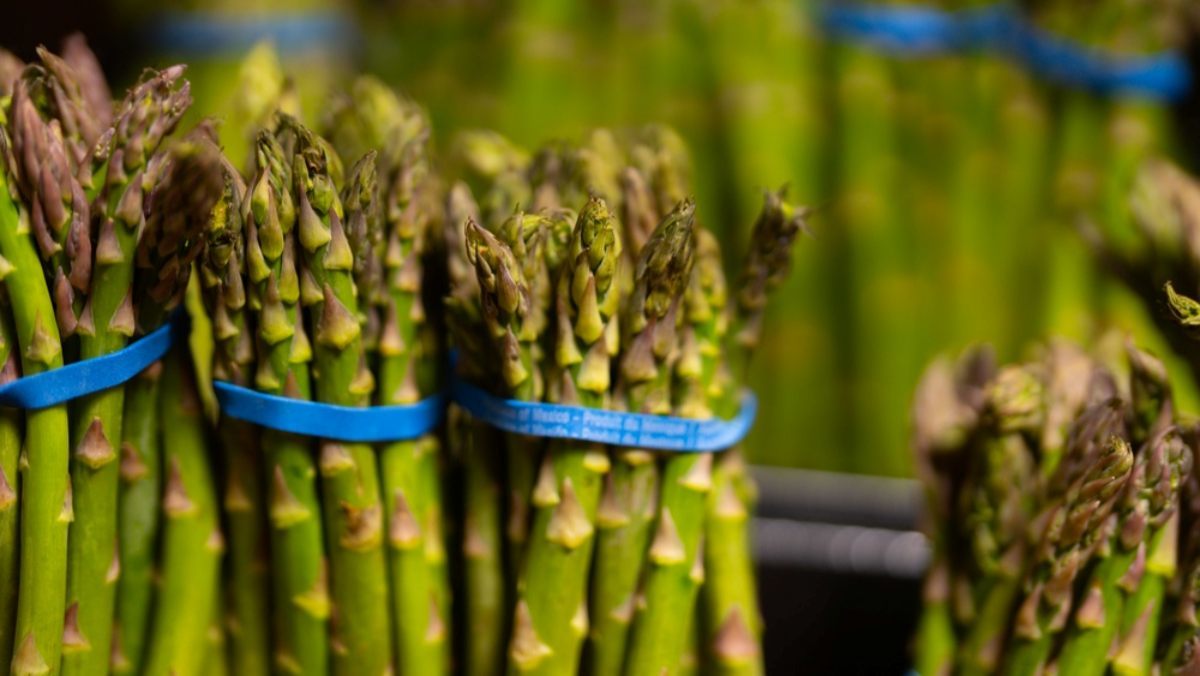
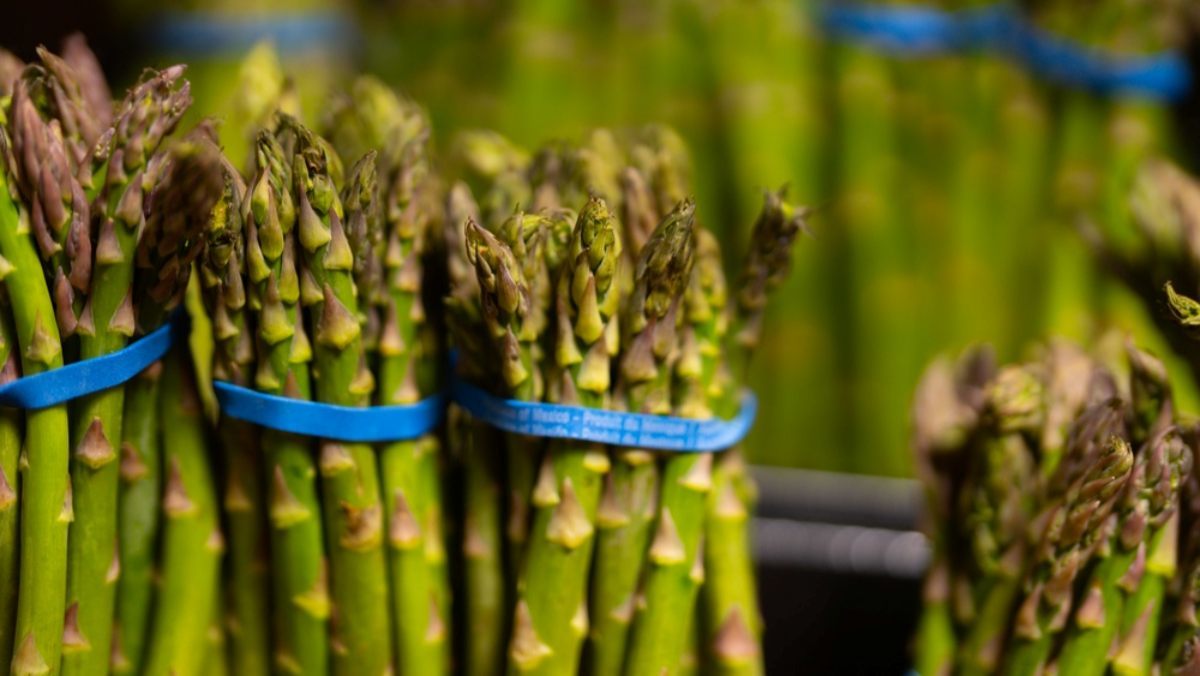
Asparagus shines in April and May. Spears harvested then are tender and sweeter than those picked at other times. Nutritionally, asparagus offers fiber and vitamins A, C, and K, plus folate. A 150 g serving (about 5.3 oz) delivers roughly 60% of the daily recommended folate—important for heart health, blood cell production, and preventing neural tube defects in early pregnancy.
Cooking asparagus is easy. Grill or pan-sear with a drizzle of olive oil and a pinch of salt for a fast side. It’s also a knockout with eggs: blanch the spears in salted water for about 3 minutes, shock in cold water, then serve with a fried or poached egg for a fuss-free, satisfying plate. A squeeze of lemon and extra olive oil brightens the dish. Asparagus is equally delicious in pasta, salads, or as a pizza topping.
One note: asparagus doesn’t keep well. After harvest, saponins can make it taste bitter over time. Stand the spears upright in a bottle with a little water and refrigerate to extend freshness by a few days, but for the best flavor and nutrients, buy and eat them quickly.
Strawberries — spring yields more antioxidants
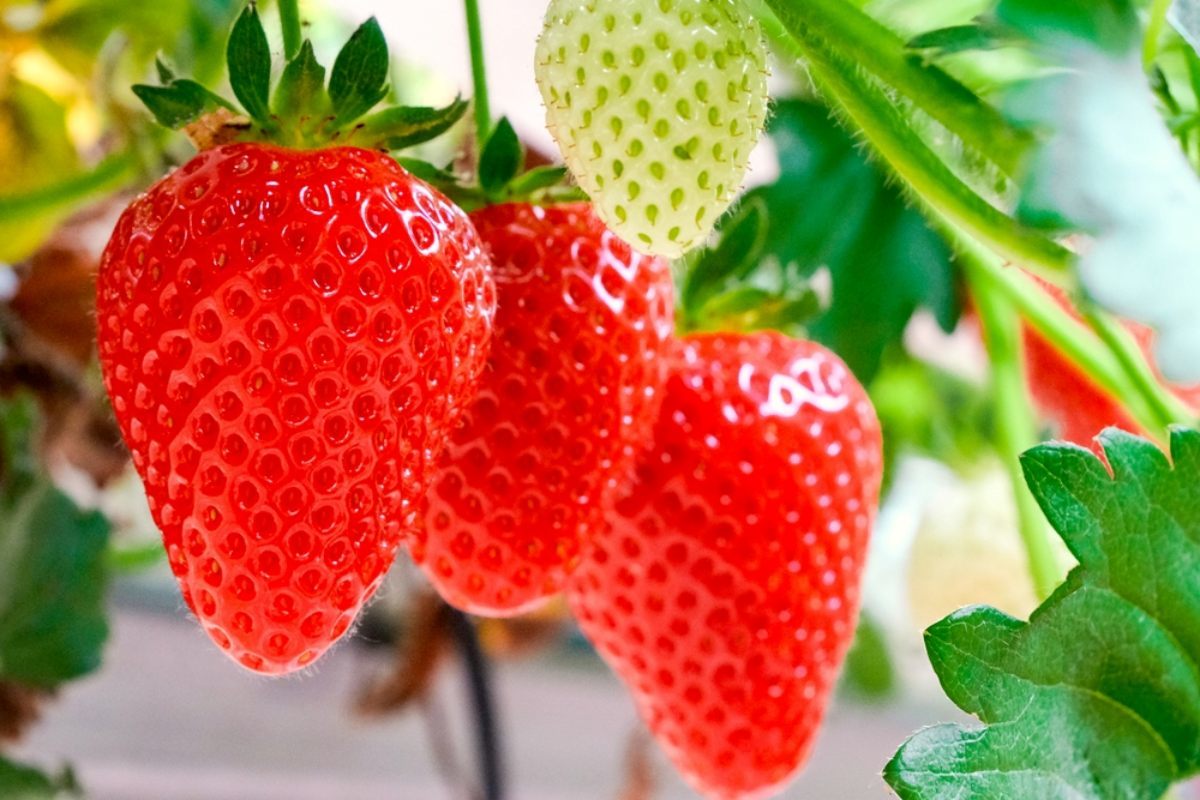
Strawberries are in season from winter into spring, but research shows their antioxidant levels climb as spring arrives. Tests from the Rural Development Administration’s horticulture lab found that anthocyanin content rises sharply in spring, and certain varieties—like the Korean cultivar Seolhyang—show particularly high antioxidant activity at that time.
Strawberries are also vitamin C powerhouses. In 100 g (about 3.5 oz) there’s approximately 80 mg of vitamin C—around 1.5 times that in a tangerine and 10 times an apple. Eating five to six berries can meet an adult’s daily vitamin C needs. Vitamin C supports immunity and helps reduce melanin production in the skin, and the body generally absorbs it better from whole foods than from supplements.
Anthocyanins and catechins combine for strong antioxidant benefits. Anthocyanins may help regenerate retinal cells and ease eye strain. Some studies link eating strawberries at least three times a week with a lower risk of heart disease. A 2017 study from the Salk Institute also suggested that fisetin—found in strawberries—might help protect against neurodegenerative conditions like Alzheimer’s.
How you wash strawberries matters: their skin is thin. Rinse them gently under running water with the stem attached, then remove the stem right before eating to avoid losing vitamin C. Sprinkling sugar on berries can deplete vitamin B1 and organic acids, reducing nutritional value. Pairing strawberries with milk adds protein and can help your body absorb calcium and iron more effectively.
Peas — more than just a rice mix-in
Peas are a spring staple sown in March–April and harvested in June. They deliver plant-based protein, fiber, and vitamins, and they help you feel full longer. Low in calories and fat, peas are a great choice for weight-conscious menus.
Beyond protein, peas supply vitamins A, C, and K, antioxidants, plant-based omega-3s, and vitamin B1—nutrients that support brain function. Lecithin may boost memory, while chlorophyll helps cleanse the blood and may support healthy blood pressure. The fiber in peas fuels beneficial gut bacteria and supports digestive health.
Use peas in more ways than just rice. Toss them into salads for extra texture, puree them for luxurious sauces or soups, or make a silky pea soup by sautéing garlic, onion, and olive oil, adding stock and peas, then blending until smooth. When blanching, add a pinch of salt to boiling water and remove them quickly to preserve vitamins. Note: peas contain small amounts of cyanogenic compounds; eating more than about 40 g (roughly 1.4 oz) in a day may cause digestive upset, so stick to reasonable portions.
Spinach — sweetest and most nutritious in early spring
Spinach is at its peak from winter through early spring. Cold weather that freezes and thaws the leaves can boost sweetness and nutrient density. Because spinach struggles in heat, it’s best enjoyed while it’s still in season.
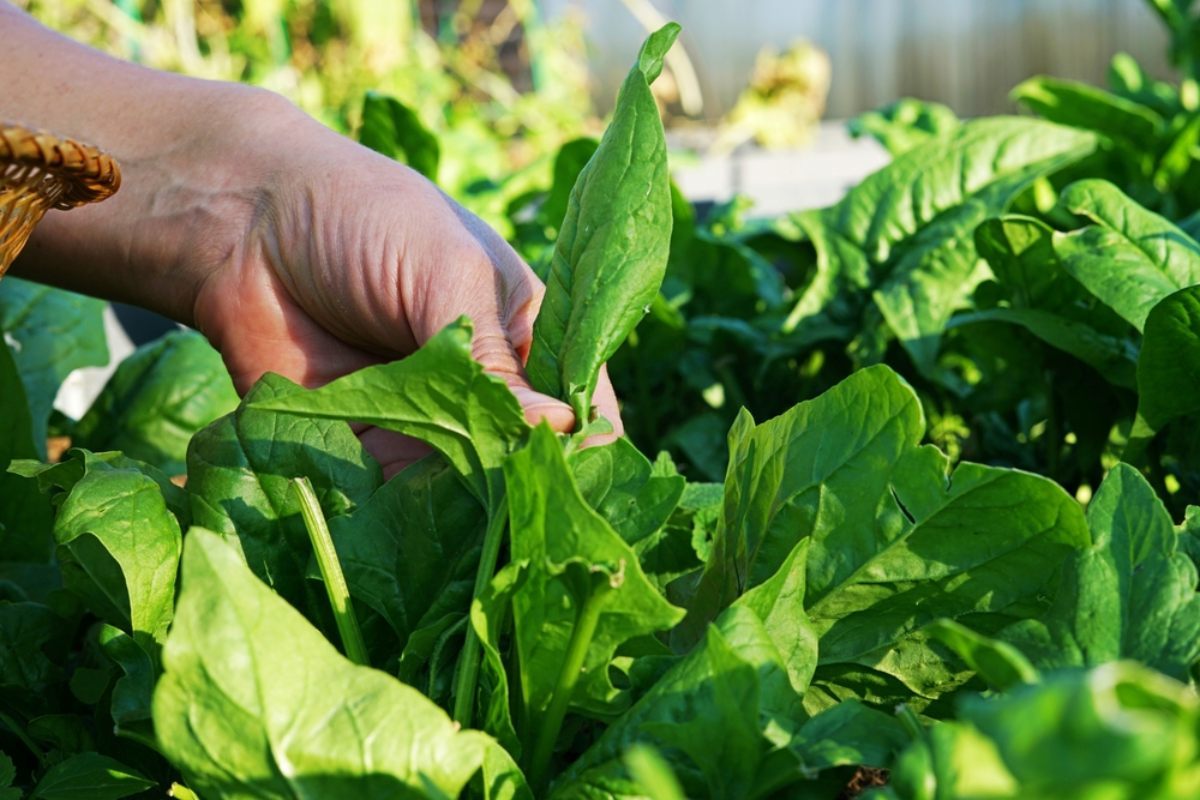
Spinach is rich in lutein, zeaxanthin, and beta-carotene—compounds that collect in the central retina and help shield your eyes from sunlight and blue light. A long-term Harvard study of about 70,000 nurses aged 45+ found that people who consumed enough lutein and zeaxanthin were 22% less likely to need cataract surgery. Harvard and the National Cancer Institute also report that spinach may lower the risk of age-related macular degeneration by roughly 35%.
Spinach supports heart health, too. It ranks high among natural foods for nitrate content; nitrates convert to nitric oxide in the body, which improves circulation and helps keep blood pressure in check. Potassium aids sodium excretion, and vitamin K helps prevent calcium buildup in blood vessels.
To cook spinach, briefly blanch it in boiling salted water with the lid off to reduce bitterness and minimize nutrient loss. When seasoning as a side, toss in sesame or perilla oil to boost absorption of fat-soluble vitamin A. Because oxalates can inhibit calcium absorption, pairing spinach with calcium-rich foods like sesame seeds or tofu helps offset that effect. Spinach loses more than half its nutrients within a day of harvest, so try to eat it as soon as you can.
Other spring ingredients to watch
Artichokes may still feel exotic in some markets, but they’re a Mediterranean staple. They peak in spring, clock in at about 30 kcal per head, and are high in fiber and minerals. Cynarin may help limit fat accumulation, and fructooligosaccharides feed beneficial gut bacteria. When buying, choose a tight, heavy bud that hasn’t opened.
Arugula brings a peppery kick to spring salads and is rich in vitamin K and calcium for bone health. Blackberries are a spring berry high in anthocyanins and vitamin C, delivering potent antioxidants in small servings. Baby greens tend to be more nutrient-dense and milder in flavor than mature leaves, making them perfect for fresh salads.
Why seasonality matters
Eating seasonally is more than a trend. Produce harvested in season spends less time in transit and storage, so it retains freshness and nutrients. Abundant supply also tends to lower prices. For items like asparagus and peas—whose nutritional value drops quickly after harvest—buying in season gives you the biggest health return.
Building a healthier diet doesn’t require a huge overhaul. Five to six strawberries meet your daily vitamin C. A handful of peas tossed into rice adds fiber and protein. A few grilled asparagus spears can instantly refresh your spring plate.