From late March through April, as temperatures climb, one fish quietly starts creating a buzz among sashimi lovers.
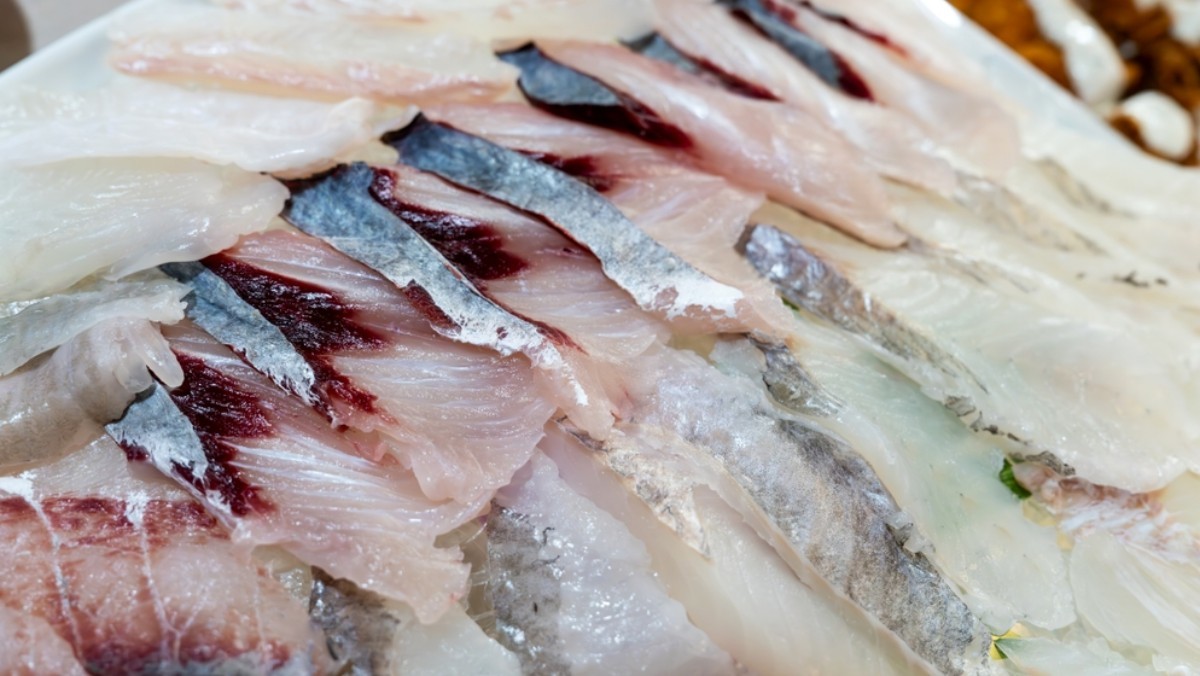
If you hear “mullet” and think cheap, muddy-tasting fish, it’s time to update that mindset. Right now, in April, mullet delivers a flavor and texture so good that many call it “better value than sea bream.” Here’s how to spot real, in-season mullet, clear up the myths, and enjoy it like you know what you’re doing.
The biggest reason mullet gets a bad rap is a single bad experience with a “muddy” taste. But the mullet you find at market actually splits into two main types, and you can often tell which one you’ve got just by eye color.
The yellow-eyed variety — often called the yellow-eyed mullet and known locally as milchi or cham-mullet — is at its best from December through February. These fish pack on fat in winter and are rich and savory, but after they spawn in spring they lose flesh quickly and can develop that earthy smell. If you tried a yellow-eyed mullet off the west coast in March and felt disappointed, that seasonal biology is the reason.
The mullet to hunt for in April is the black-eyed “standard” mullet, commonly nicknamed the barley mullet because it peaks around barley harvest time. It takes the opposite seasonal route: it spends winter offshore fattening up, then moves inshore to spawn in spring. That’s when the flesh is firm, bouncy, and at its sweetest. In blind taste tests, its rich flavor and crisp bite can fool tasters into thinking it’s late-winter amberjack.
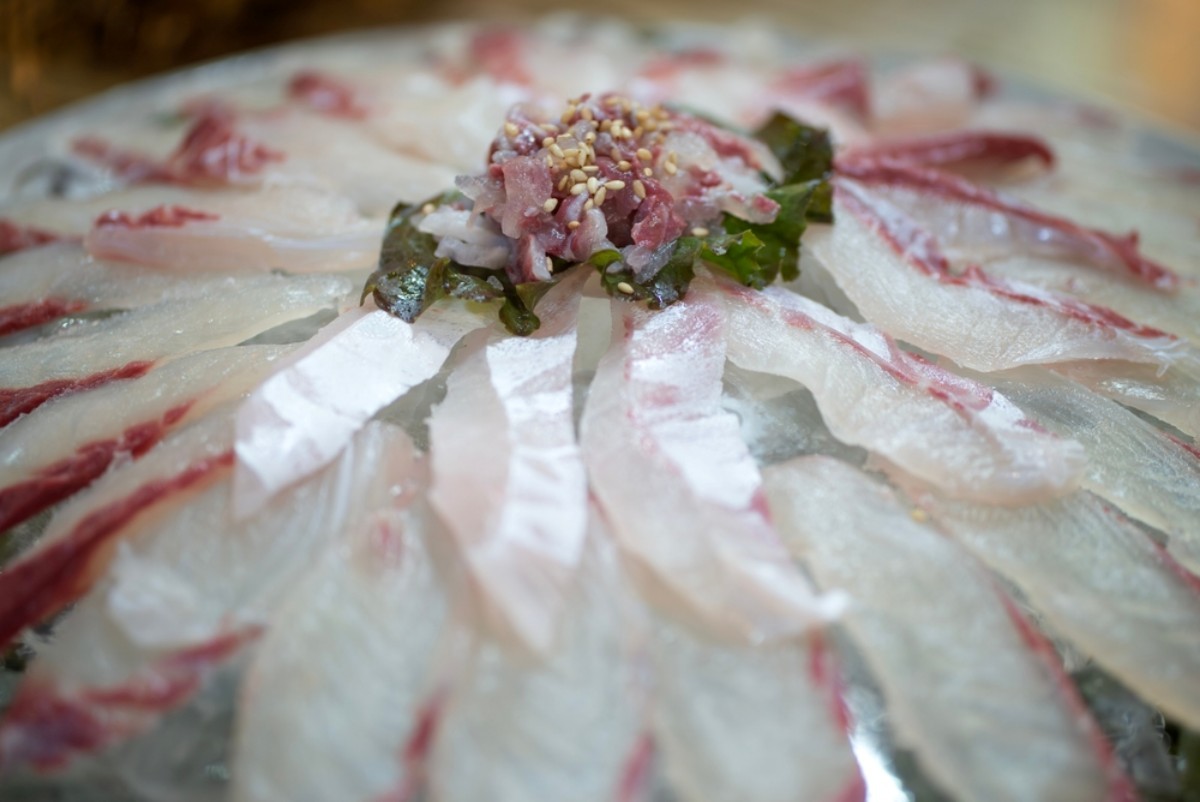
Mullet’s biggest appeal is the unbeatable value and high edible yield. With food prices climbing, many common sashimi choices have become pricey, but mullet stays affordable. At source auctions it can dip into the 7,000 KRW per kilogram range (approximately $5.25 per kg), and at regular fish markets you can enjoy a generous serving for about 20,000–25,000 KRW (approximately $15.00–$18.75). Mullet’s yield — the portion of the fish you can actually eat after removing head and guts — tops 50%, so you get more meat for the same weight than with flounder or many other species.
Mullet from areas near Jindo and Wando is especially prized because of the rough water. Fish that swim up strong currents like Jindo’s Uldolmok develop muscular flesh from all that activity. Sliced for sashimi, they give a satisfying, crisp resistance with every bite — a firm texture you usually only get with premium species like stone sea bream.
Where the fish live also makes a clear difference in taste. Mullet raised in muddy inner bays and feeding on silt may carry off-odors, while those from deep, clear offshore rocky areas that feed on plankton have cleaner fats and deeper flavor. Always check origin when you buy: I recommend mullet from fast, clean southern-coast waters such as Wando, Jindo, Geoje, and Tongyeong. Mullet from Jeju or the northern West Sea tends to be less flavorful in April due to different currents and conditions.
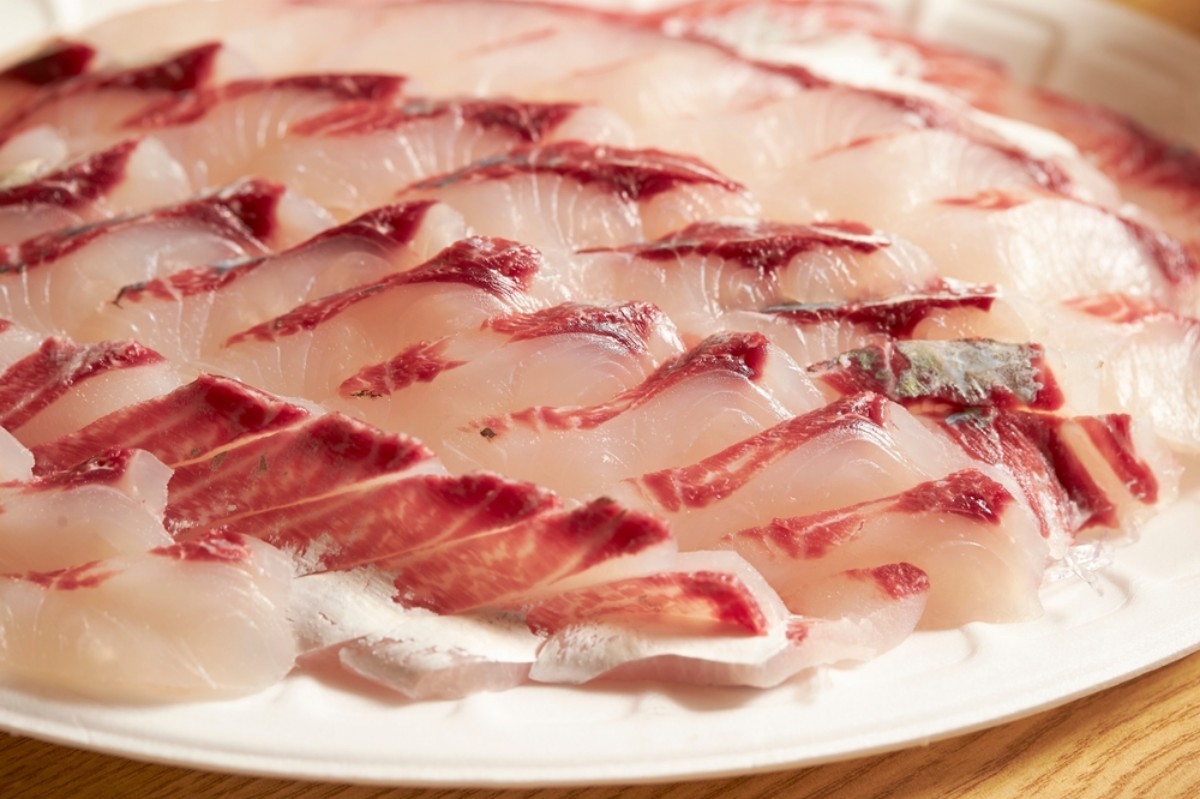
Preparing mullet has its own little pleasures. Inside the belly you’ll find a sand-filtering organ called the mullet gizzard (similar to a chicken gizzard). Cleaned well and dipped in a soy-sesame oil sauce, it becomes a crunchy, savory treat. But be careful: if the gallbladder ruptures, it can taint the entire fillet with a bitter flavor, so take care when cleaning the fish yourself.
For the first bite, keep it simple — a light dab of soy sauce and wasabi lets you taste the fish’s natural sweetness and the richness of its fat. Mullet also pairs well with spicy vinegar sauces, but if you’ve got a well-fattened barley mullet, skip the lettuce wraps and enjoy the sashimi’s texture on its own.
April is full of tempting eats, but if you want the biggest payoff without the big spend, barley mullet is your best bet. Put the “cheap” prejudice aside: when you find properly sourced mullet in spring, you’ll start thinking of this red-fleshed fish first every year as barley begins to ripen.
Get your daily personal horoscope report! How will your day go?