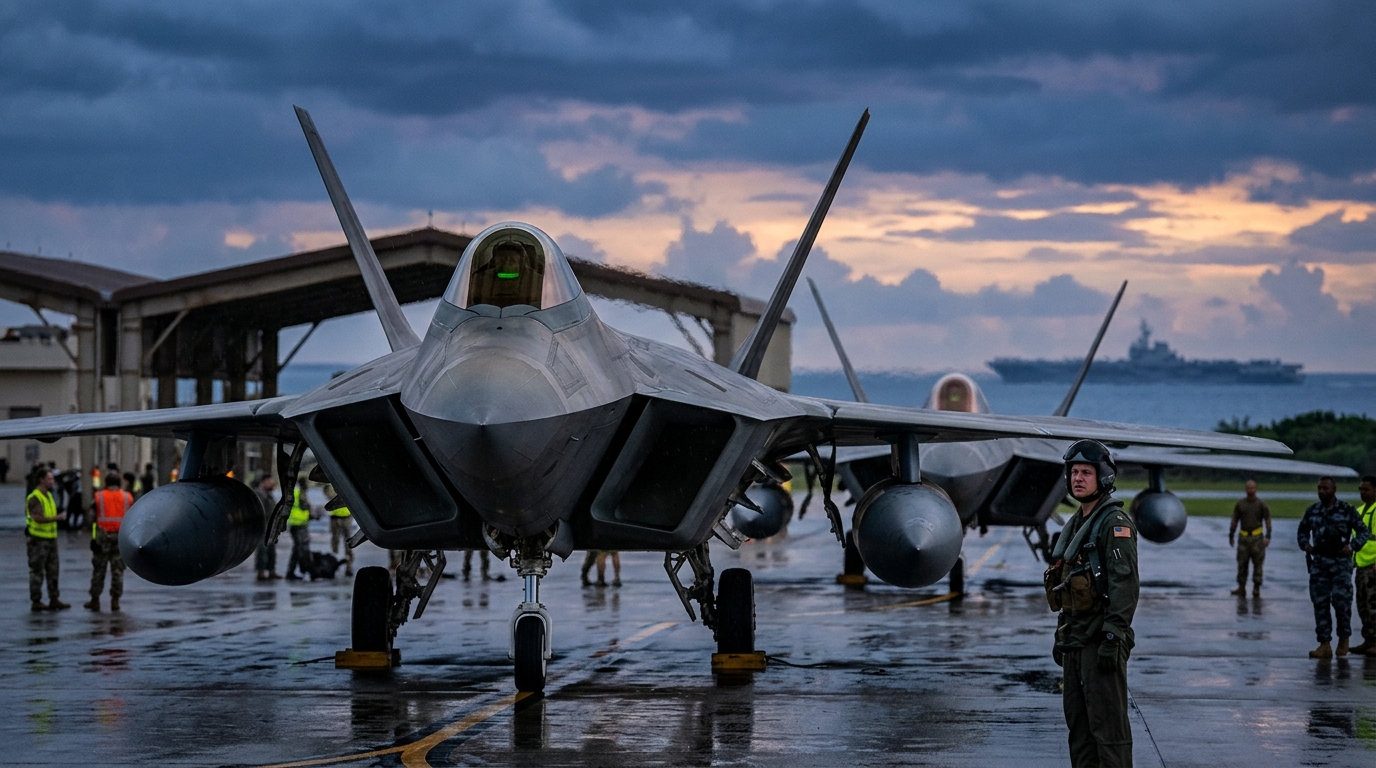
A strike at a fighter production plant produced a paradox: it increased military density across the Indo-Pacific front. As replacement schedules for aging fighters slipped, the U.S. Air Force staged its most capable stealth fighters at the edge of the East China Sea.
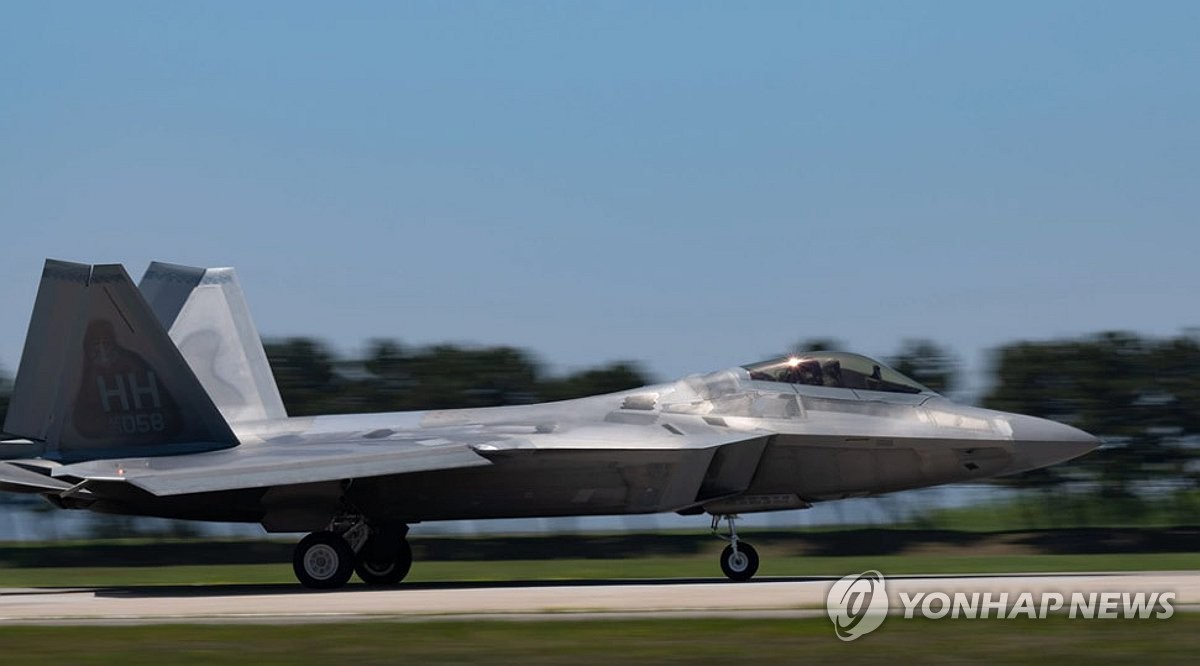
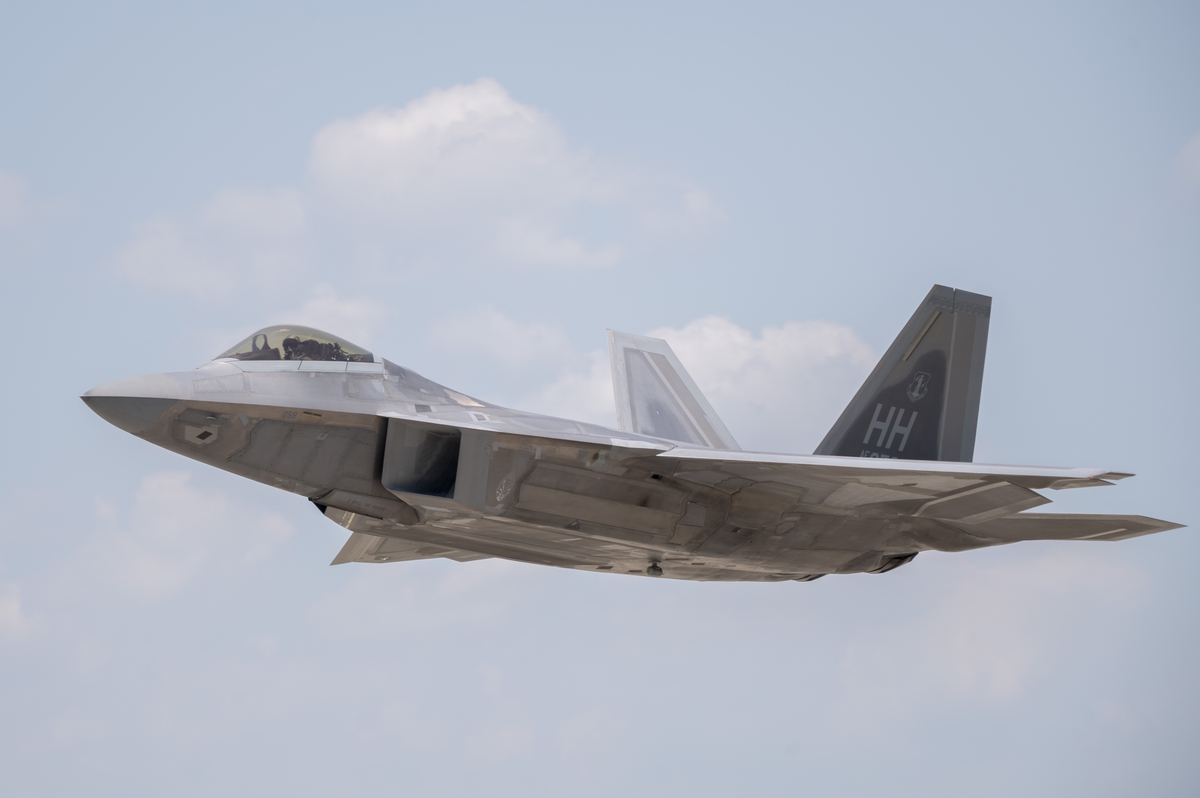
F-22 Raptors from the U.S. Air Force's 90th and 27th Expeditionary Fighter Squadrons have completed deployments to Kadena Air Base in Okinawa, Japan.
The two squadrons, which deployed from Alaska and Virginia respectively, crossed the Pacific to take positions on the front line of one of the region’s most volatile flashpoints.
Strike triggers ripple effect — the 'top card' fills the gap
The deployment traces back to a labor action at a Boeing production facility. The Air Force had planned to retire 48 aging F-15C/Ds that had patrolled Kadena’s airspace for decades and permanently station 36 new F-15EX fighters — a 4.5-generation design with modern avionics and a much larger weapons payload — in their place.
But the strike and other setbacks indefinitely delayed deliveries. With the older aircraft already withdrawn, the Air Force faced the real risk of a dangerous capability gap.
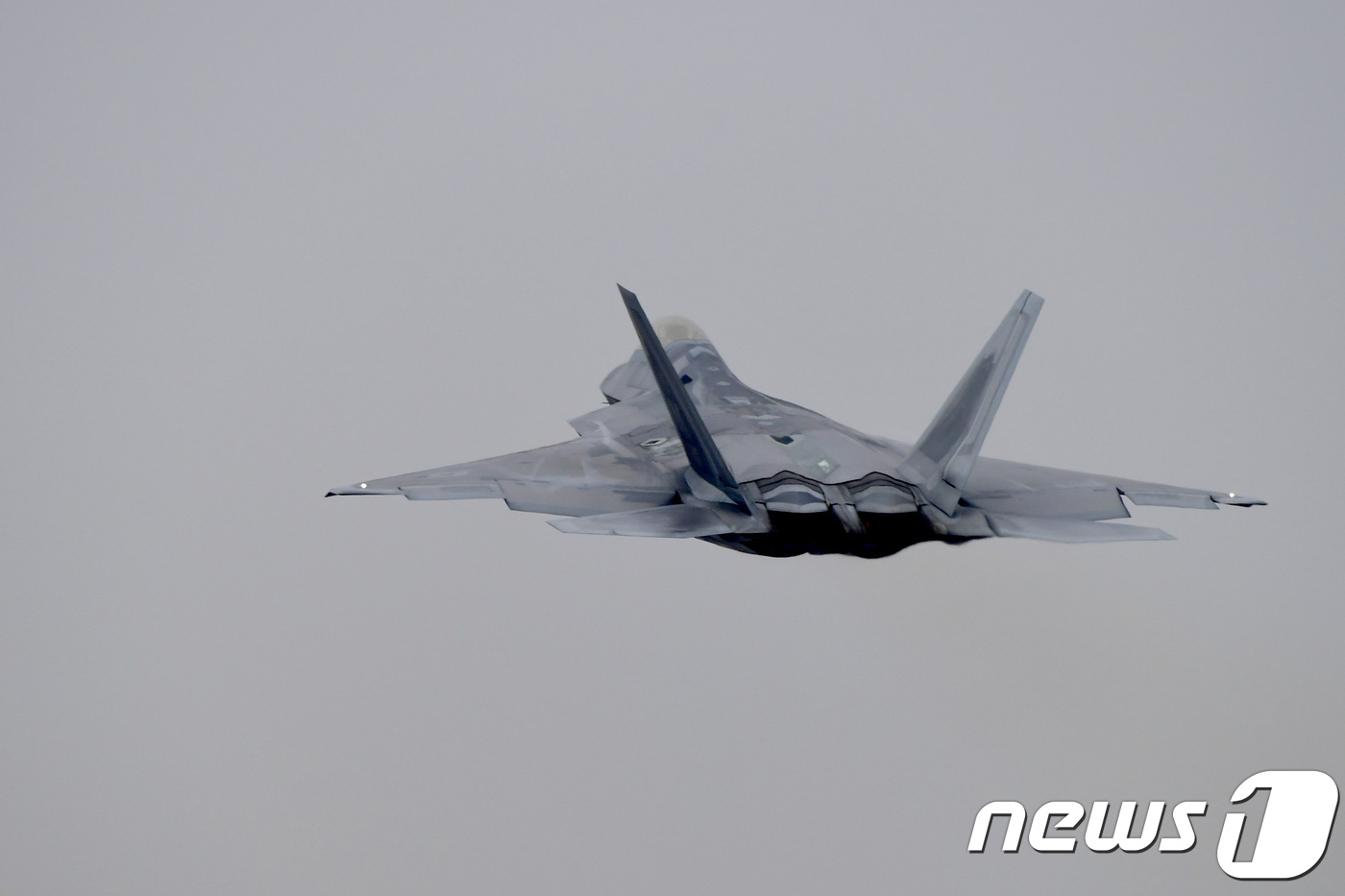
As rival powers looked for openings, the U.S. rejected a predictable response. Leaders rushed F-22 Raptors — stealth fighters designed for very low observability and forward-strike capability — into the vacancy. Each F-22 is priced at about $143 million (roughly 200 billion KRW).
Swapping an aircraft optimized for heavy payloads with a fifth-generation stealth fighter tailored to suppress enemy air defenses and seize air superiority actually sharpened the region’s tactical deterrence.
‘Wedge of the Pacific’ — a hub linking Taiwan and the Korean Peninsula
The Air Force moved its premier assets quickly because of Kadena’s strategic location.
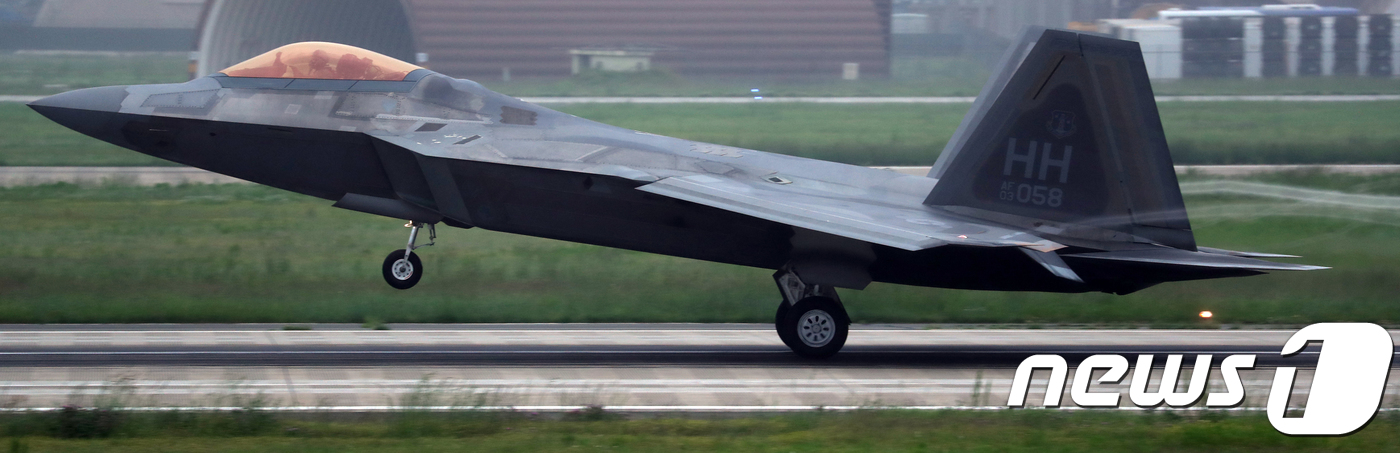
Known within U.S. forces as the “wedge of the Pacific,” Kadena sits only a few hundred kilometers from the Taiwan Strait, positioning it to launch first-response forces in a crisis.
Kadena is also a primary launch point for U.S. air reinforcements if a security crisis erupts on the Korean Peninsula. A capability gap there would send a damaging signal, undermining both Taiwan’s defense posture and the operational credibility of the ROK-U.S. alliance.
With F-22 production ending in 2011 and final deliveries completed in 2012, Kadena has become a strategic hub for a fleet of roughly 195 F-22s worldwide. The simultaneous forward deployment of two squadrons is more than a routine training rotation; it signals a shift to full operational posture.
The invisible blade — China’s military calculations grow more complex
With F-22s dominating Okinawa’s skies, Beijing’s calculus for pressuring the East China Sea and the Taiwan Strait by force has become more complicated. When stealth fighters that can evade radar are in position to penetrate air defenses, conventional shows of force carry heightened strategic risk.
The Air Force turned an administrative setback — delivery delays — into a flexible operational advantage, using rapid force employment to reinforce allied confidence and deny rivals any window of opportunity. The strategic tug-of-war among major powers in the Indo‑Pacific is intensifying around Kadena.
Trending now
- 'Seoul ablaze' — actual deaths 2,600…TNSR simulation rebuts doomsday claims of millions of casualties with data
- If service drops from 18 months to 10 months... Basic tactical training plunges; KIDA warns it will be hard to maintain combat proficiency
- Pressuring allied Europe to step up on counterterrorism…Trump's anti-terror strategy marks a sharp shift in focus