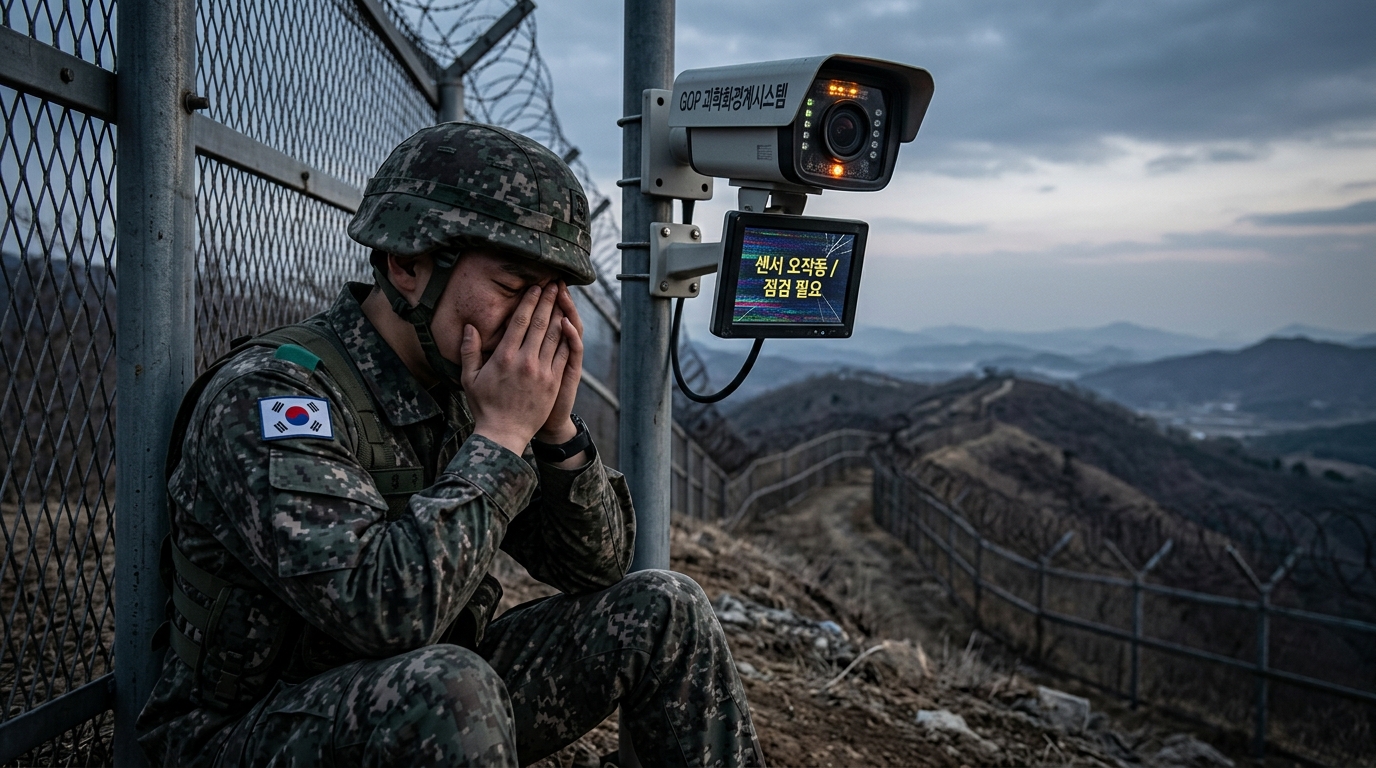
All bidders failed in a project that had planned to deploy 465.1 billion KRW (≈$348.8 million). Not a single exception: all three companies failed to pass the military’s testing and evaluation.
The GOP scientificized surveillance system performance upgrade program failed its first evaluation in an unprecedented all-fail outcome and has been sent back for a full review. The military’s push to transition to AI-driven unmanned surveillance—intended to blunt the impact of an unavoidable demographic decline—has stalled after field units criticized the systems as only “half-baked” advanced technology.

This is more than a procurement setback. It represents a direct collision between two central defense priorities: force reductions and technological reliability.
The paradox: troops forced to follow machines they don’t trust
The stated aim of the GOP modernization was straightforward. With personnel numbers shrinking, the military intended to offset that shortfall with cameras and sensors to sharply reduce surveillance fatigue for soldiers on the line. In practice, the outcome has been the opposite.

Sensors are so sensitive that wildlife or wind-blown branches trigger alarms multiple times a day. Each alarm requires an initial response team to go to the site and verify the situation visually.
Military studies warn that current system operations demand extensive manuals and highly trained operators. A rueful line from the field captures the dilemma: “We bought machines because we didn’t have people—now people have to tend to the machines.”
From 22,000 to 6,000: the twin pressures created by cuts
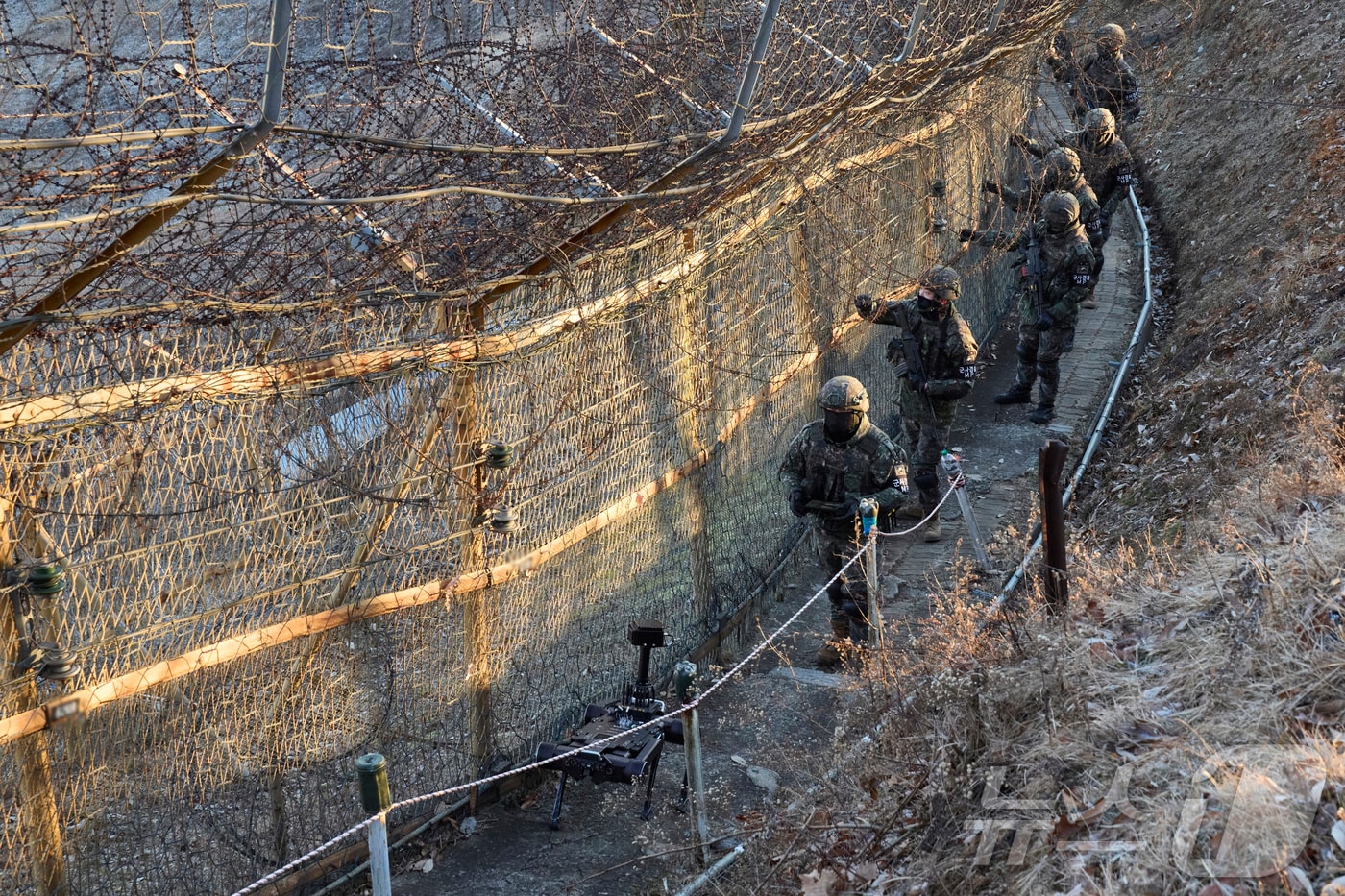
The Defense Ministry has proposed cutting GOP border troops from 22,000 to 6,000—a 72.7% reduction. With declining birthrates intensifying, by 2026 this scale of reduction is increasingly seen as a necessity rather than a choice.
The problem comes when such steep cuts are layered onto an unproven system. A much smaller force would still be expected to carry out core surveillance duties while also maintaining malfunctioning equipment and responding to false alarms. Experts warn that could translate directly into critical security gaps along the front line.
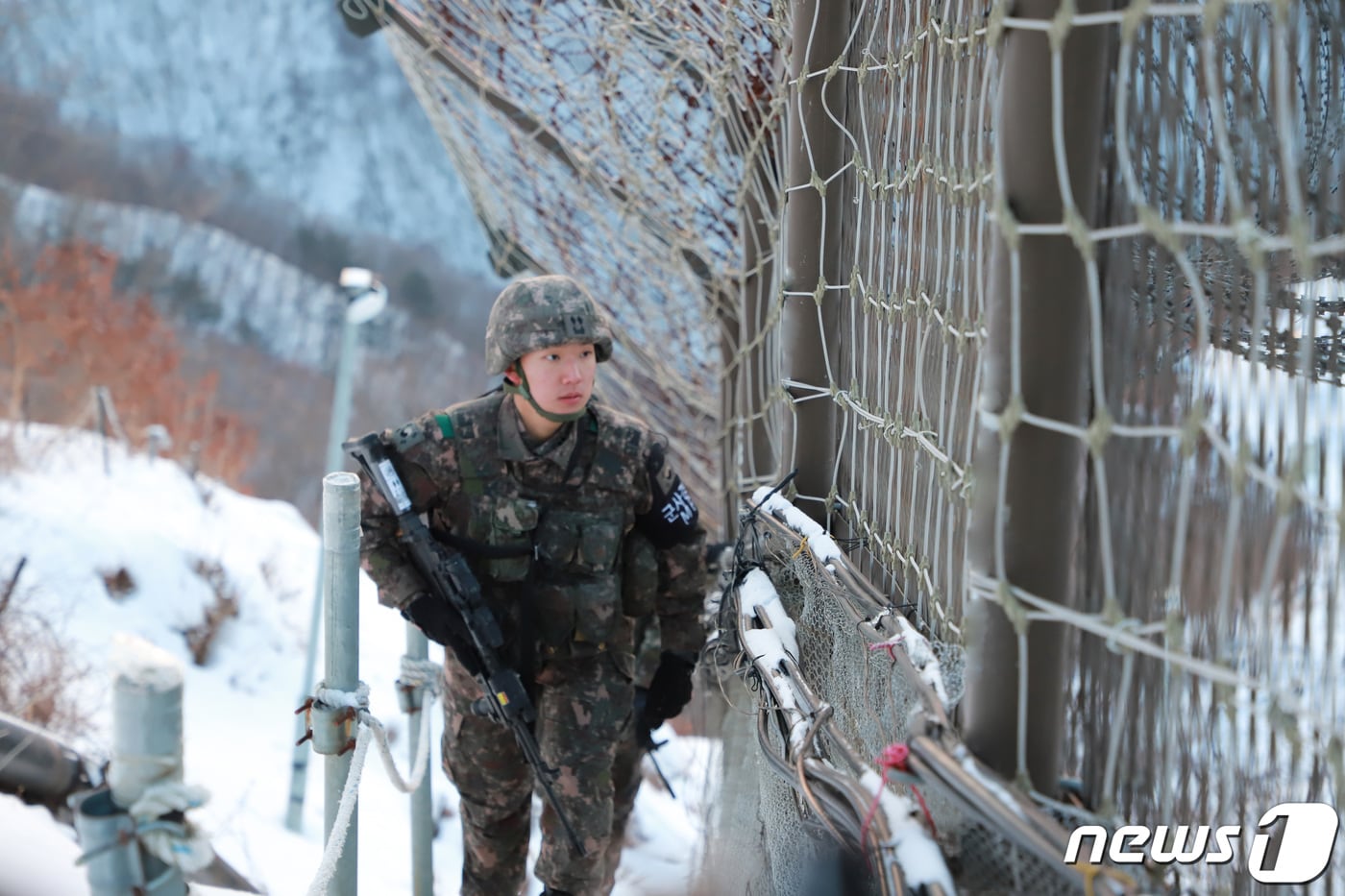
The concept of perimeter defense is changing. Where commanders once measured failure by fence-line incursions alone, success is now judged by rapid pursuit, containment and neutralization within an area of responsibility. That shift from fixed defenses to mobile response makes the reliability of modernized systems more critical than ever.
Is the disqualification a failure—or a firm defensive stance?
Assessments of the all-fail outcome are mixed. The collapse of the first evaluation in this 465.1 billion KRW (≈$348.8 million) program is an administrative setback. But it also reflects a deliberate decision by military authorities to block substandard equipment. Officials concluded that the security risks from fielding an unfinished AI system would far outweigh the cost of sunk procurement funds.
The decision follows a clear principle: only systems that fully meet the military’s stringent operational requirements—not partial solutions that would add to soldier fatigue—should secure the fence line. Observers across the defense community will be watching the re-bid to see whether GOP modernization can be reborn as a credible AI shield.
Most Popular Right Now
- “No one knew for seven years”… Civilian worker recruited in 2017 only caught in 2024 — 'security blind spot'
- “Pretending to bash Japan while targeting Korea”… North Korean propaganda stokes anti-Japan sentiment to exploit rifts among the U.S., South Korea and Japan
- “Not a violation but an invasion”… North Korea’s entrenched border posture is rewriting the rules of conflict on the Korean Peninsula