The U.S. Navy plans to field 15 large, state-of-the-art warships over the next 30 years, dubbed the Trump‑class. The Navy says it will leverage trusted allies to accelerate the effort — a move that could create significant opportunities for South Korea’s shipbuilding sector.
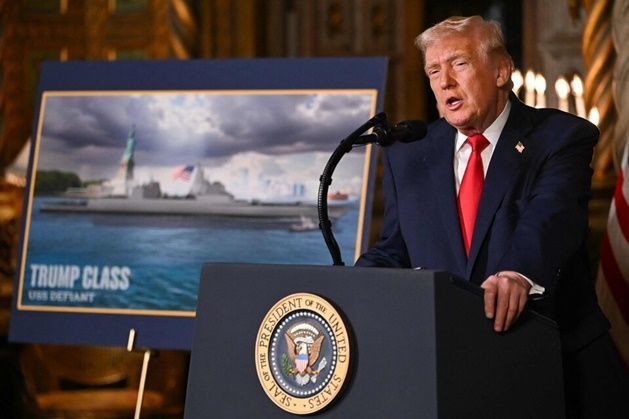
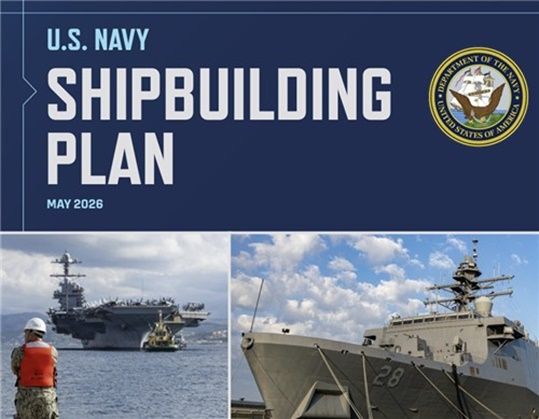
According to Bloomberg and other outlets, the Navy’s shipbuilding plan released on the 11th (local time) calls for acquiring 15 Trump‑class ships by 2055. The Trump‑class concept is the centerpiece of former President Donald Trump’s \"Golden Fleet\" proposal unveiled last December to restore U.S. naval power and deter China.
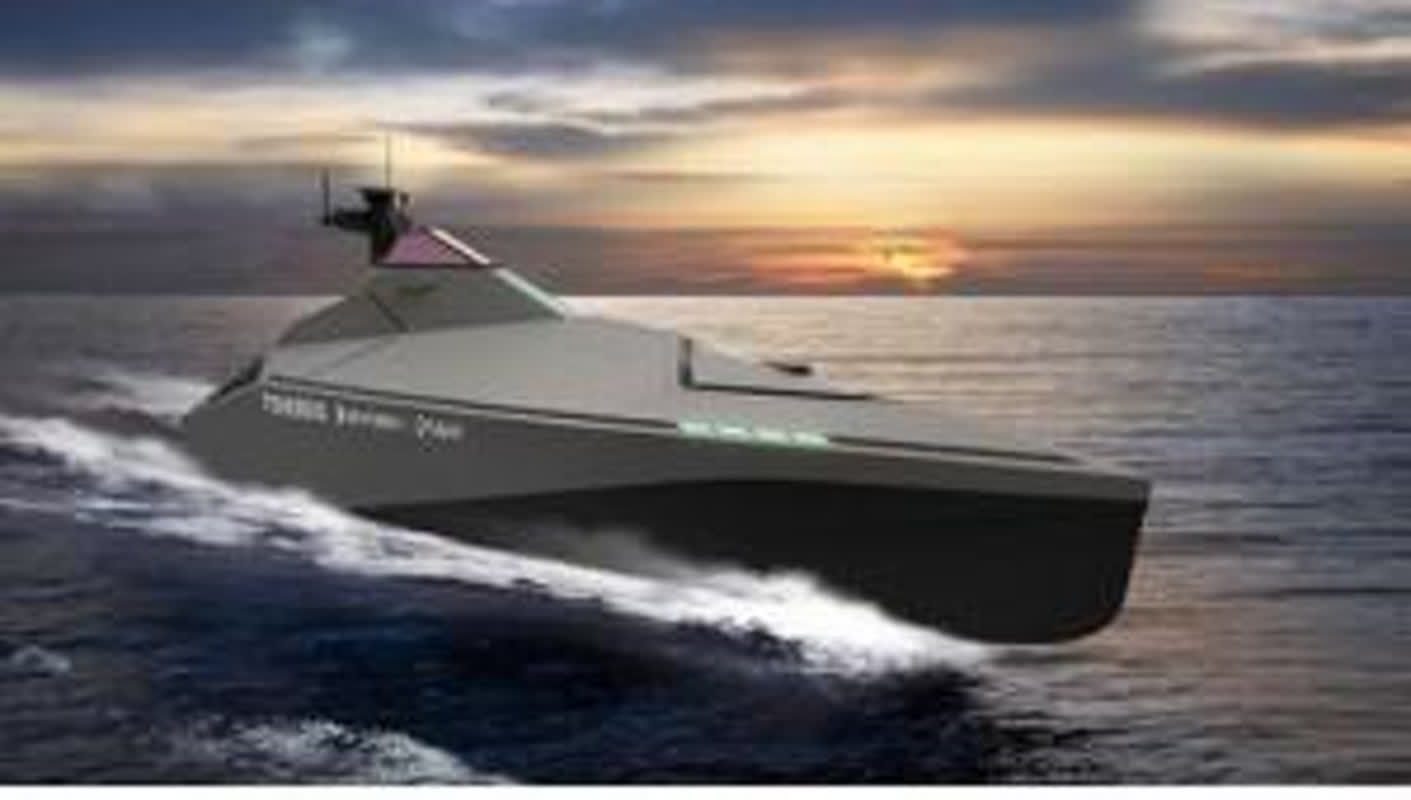
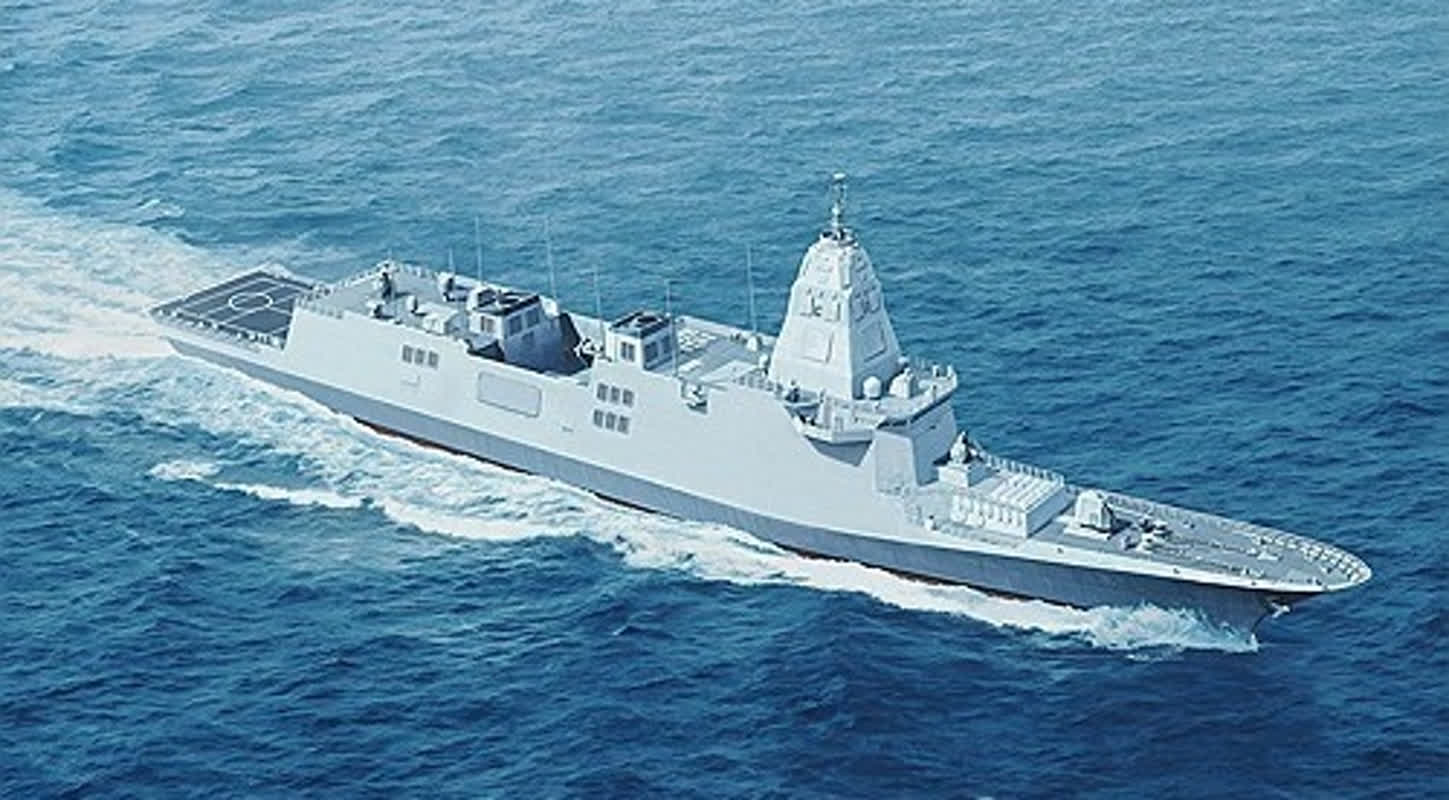
Trump said he wanted the fastest and largest warships to bolster naval strength. He proposed reintroducing large‑displacement ships in the 30,000–40,000‑ton class that largely disappeared after the Cold War and attached his name to the concept. The plan envisions these ships carrying guns, missiles, hypersonic weapons, electromagnetic railguns, high‑energy lasers, and even sea‑launched cruise missiles capable of carrying nuclear warheads.
Under the plan, the first Trump‑class ship would be delivered in 2036, with two more following in 2038 and 2039. The Navy has requested $43.5 billion (approximately 58 trillion KRW) to build those three vessels — roughly $14.5 billion (approximately 19.3 trillion KRW) per ship. Bloomberg noted this represents a significant expansion from the Navy’s earlier plan to acquire three ships with the first delivered in 2036.
The most expensive U.S. warship built to date is the Gerald R. Ford‑class aircraft carrier, which cost about $13 billion (approximately 17.3 trillion KRW). If completed, a Trump‑class ship could exceed that price. The Navy also plans to increase its total fleet from 291 ships today to 299 by 2031. That still falls short of the 355‑ship target the Navy says it needs, implying more initiatives may follow.
Notably, the plan stresses mobilizing U.S. shipbuilding capacity to the fullest while also tapping allied capabilities. It acknowledges U.S. yards currently lack sufficient infrastructure and workforce and recommends adopting a globally integrated industrial model that leverages trusted allies to expand overall capacity.
The Navy added that domestic construction remains the top priority, but if U.S. industry cannot meet required schedules, it will assess whether allied and partner shipyards can supplement U.S. production and will consider overseas options. Analysts say that stance, combined with South Korea’s ongoing MASGA (Make American Shipbuilding Great Again) project, could open doors for South Korean shipbuilders.
The Navy did not name any specific ally, including South Korea. Still, Seoul and Washington previously agreed to a $150 billion (approximately 200 trillion KRW) investment in shipbuilding for the U.S. market. That agreement is part of a broader $350 billion (approximately 466.7 trillion KRW) package South Korea committed to the U.S., contingent on reductions in U.S. country‑specific tariffs on Korean goods and a cut in the U.S. auto tariff from 25% to 15%.
Seoul and Washington recently signed a memorandum of understanding to launch a shipbuilding partnership initiative. They plan to establish a Korea‑U.S. Shipbuilding Partnership Center in Washington, D.C., this year and expand cooperation on merchant ship construction and workforce development.
© Dailian Co., Ltd. Unauthorized reproduction and redistribution prohibited
- Trump pushes Golden Fleet plan; Hanwha says it's fully prepared
- Samsung Heavy joins U.S. Navy NGLS design — MASGA progress becomes visible
- MASGA gains traction; Hanwha and HD Hyundai emerge as key U.S. Navy suppliers
- Trump: Hanwha to collaborate on building America's \"Golden Fleet\"