The government has decided to suspend construction of transmission lines that cross the Chungcheong region for one month. Growing opposition over how the site-selection committee operates and the criteria used to site the lines prompted officials to review the project’s procedures.
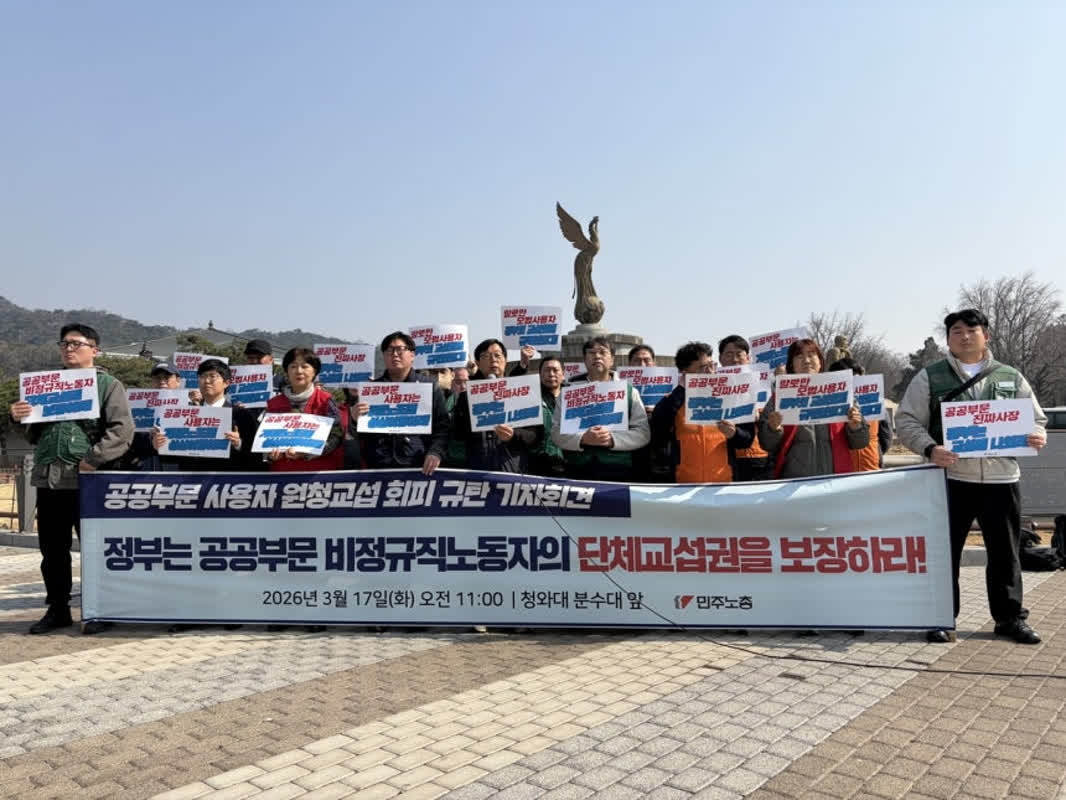
On the 11th, the Chungcheong High-Voltage Transmission Tower Construction Opposition Committee said Minister of Climate, Energy and Environment Kim Seong-hwan told attendees at a meeting at the National Assembly Members’ Office Building — titled “Review of the Yongin Semiconductor National Industrial Complex and Nationwide Opposition to High-Voltage Transmission Tower Construction” — that he would temporarily halt the committee’s current procedures for one month.
The pause covers 27 transmission-line projects now at the site-selection stage under the government’s power-supply master plan, which calls for building transmission and substation facilities nationwide through 2038. The projects include routes that cross the Chungcheong area, such as Sin Gyeryong–Buk Cheonan and Sin Jeung-eup–Sin Gyeryong.
The government has been expanding an extra-high-voltage transmission network across the Seoul metropolitan area and the country to supply power to the Yongin semiconductor complex and other users. Residents have pushed back against adding lines through the Chungcheong region — an area that will not be a primary consumer of the power — to serve companies based around Seoul.
The opposition committee said complaints about how Korea Electric Power Corporation (KEPCO) ran the site-selection committee were a major factor in halting KEPCO’s projects.
Residents have filed grievances alleging that, despite the committee being described as resident-led, KEPCO operated it opaquely and failed to share meeting materials.
Critics also flagged vague siting criteria. The committee said the rules technically permit installing lines on mountain terrain that runs through Chungcheong — such as Daedunsan — but, in practice, those areas are being treated as locations that should be fully excluded from selection, a contradiction that has added to confusion.
A committee representative said, “Daedunsan passes through part of South Chungcheong. We believe routing lines through mountain areas rather than residential neighborhoods would minimize harm to residents, so we’ve asked the minister to reexamine installing lines on mountain terrain.”
The group also proposed maximizing the use of existing transmission lines.
Minister Kim pledged to review and improve how the site-selection committee operates and to reexamine some siting criteria and related procedures. He reportedly told residents, however, that he could not agree to their demand for a complete cancellation of the projects.
During the suspension, the government will conduct on-site inspections across the Chungcheong region. Daejeon’s Seo District, Geumsan County and Gongju City in South Chungcheong have been cited as likely visit sites.
A committee official said, “If the government won’t withdraw the project, it must overhaul how the site-selection committee operates. We welcome the one-month suspension, but we will closely monitor how many of our proposed improvements the government adopts.”
Government Halts High-Voltage Transmission Line Project in Chungcheong: What This Means for Local Residents
Choi Da-in | 2026.05.12

Recommended Posts
12 Years Later: South Korea Passes Life Safety Basic Law for Disaster Accountability
Incheon Airport Consolidation: A Threat to Local Communities or a Necessary Step?
How Kyeryong Construction is Bridging the Digital Divide with 11.8 Million Won Donation

Daejeon City Takes Charge: How the 'Wolf Escape' Incident Sparks Urgent Audit
How Gwangju's Health Insurance Agency Celebrated Parents' Day with 400 Meal Packages for Seniors
Why 95% of Koreans Support Agricultural Cooperative Reforms: Key Findings Revealed
Latest Popular Posts
Real-time TOP