Each year around Disability Day the same refrains are heard: "things have improved" or "they're slowly getting better." From my vantage point in Incheon, those claims do not match lived reality. Policies and programs may have multiplied, but daily life remains obstructed and conditions have barely changed. The problem is not a shortage of resources but a flawed direction. Too many policies are performative—designed to be seen rather than to secure rights—and as a result people with disabilities face routine exclusion and the gradual erosion of their rights.
I have repeatedly seen that problems dressed up as mere inconveniences are, in truth, clear violations of rights. Mobility is the clearest example. While the number of low-floor buses has increased, they are often unavailable on the routes and at the times people need them. At subway stations, wheelchair users frequently wait tens of minutes for broken elevators and ultimately give up travel. Special transport services—commonly called "disabled call taxis"—claim an average wait of 25 minutes, yet one-hour waits are common. I have experienced these failures myself; ordinary people with disabilities across Incheon encounter them every day. The statistics are filled in, but rights remain hollow. These barriers force people to abandon education, limit employment opportunities, and sever social ties—structural harms, not mere inconveniences.
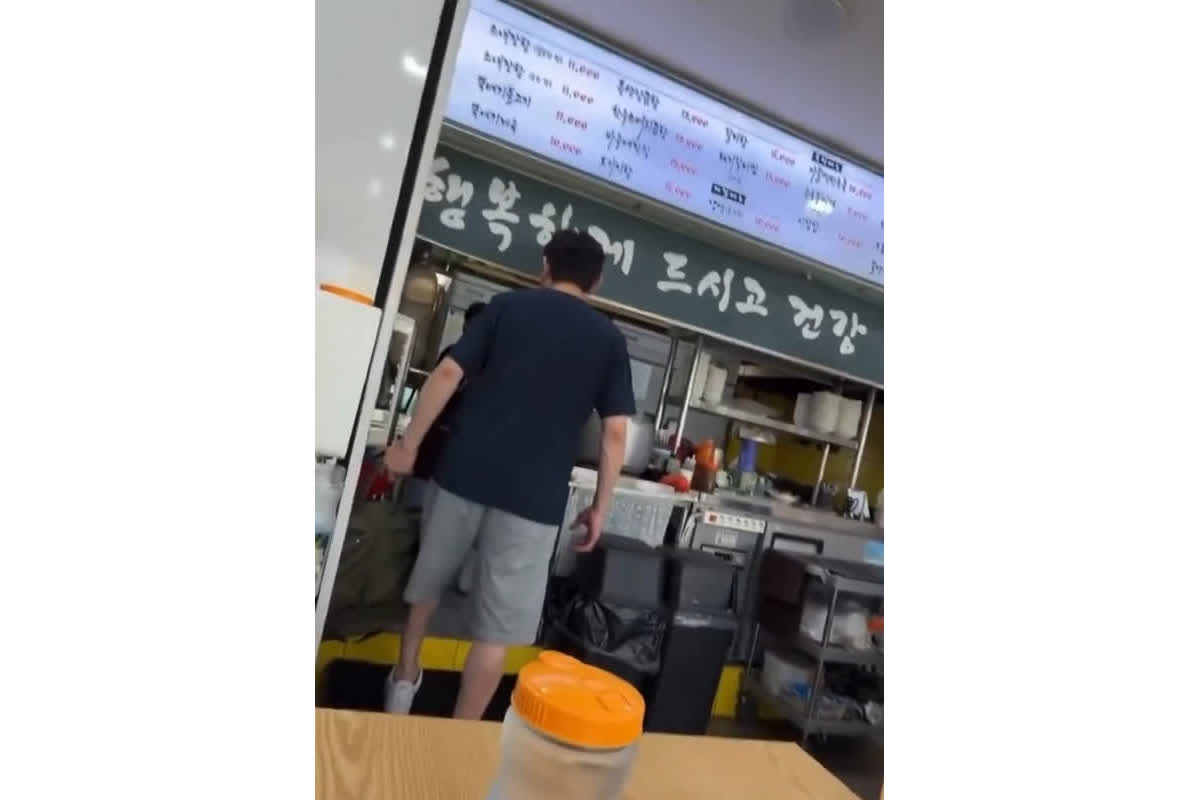
The built environment is no better. Many restaurants in Incheon still lack basic ramps. Support programs exist, but they are often symbolic; application processes are complex and their impact is limited. Inspections and enforcement are too often formalities, leaving people with disabilities to hunt for places they can actually enter. Meanwhile the proliferation of self-service kiosks and other digital technologies has created new accessibility barriers. Restricting access and choice in this way is plain discrimination.
Employment is likewise a pressing concern. Many firms evade mandatory hiring by paying penalties instead. Even when employment figures rise, people with disabilities are frequently relegated to sheltered positions or pushed to the margins without opportunities for career development.
Policy direction must change now. Guaranteeing mobility should be reframed not as a minimum standard but as a universal right. Evaluation should focus on actual usability rather than mere facility counts. Incheon Metropolitan City should regularly publish mobility audits and require user-centered assessments. Accessibility in restaurants and other public venues—and digital accessibility—must be treated as standard infrastructure, not optional compliance. If designers and planners do not consider who will be excluded from the outset, technology will perpetuate discrimination. Finally, employment policy must shift from emphasizing quantity to prioritizing quality, and the penalty system should be strengthened so that avoiding hiring is no longer a rational choice for employers.
Above all, we must change how we understand mobility, access, and labor for people with disabilities: these are rights, not welfare. Rights must be demonstrated through implementation, not declarations. The lived experiences of people with disabilities are not mere opinions; they are the most reliable data. Policies must guarantee meaningful participation by those directly affected and operate in the field accordingly. Disability Day should be a day for inspection and critical questioning aimed at eliminating discrimination—not just for celebration. We should ask not how much has changed but what remains ignored. We must confront the repeated exclusion and rights violations in Incheon and use this moment to change the structures that have allowed them to persist. Rights are not created by proclamations or ceremonies. It is society—not people with disabilities—that must change.