According to the Agri-Fisheries & Food Trade Corporation (aT)’s Agri-Food Trade Info (KATI), during the first wave of the Korean Wave in the early 2000s—sparked by the drama Winter Sonata—K-food in Japan was mainly consumed by housewives in their 40s to 60s. Back then, people tended to recreate dishes from the shows at home, so consumption focused on home cooking.
Lately, that scene has shifted fast. Experience-driven content fueled by social media is reshaping how people discover and consume K-food, and the key audience has broadened to include Gen Z.
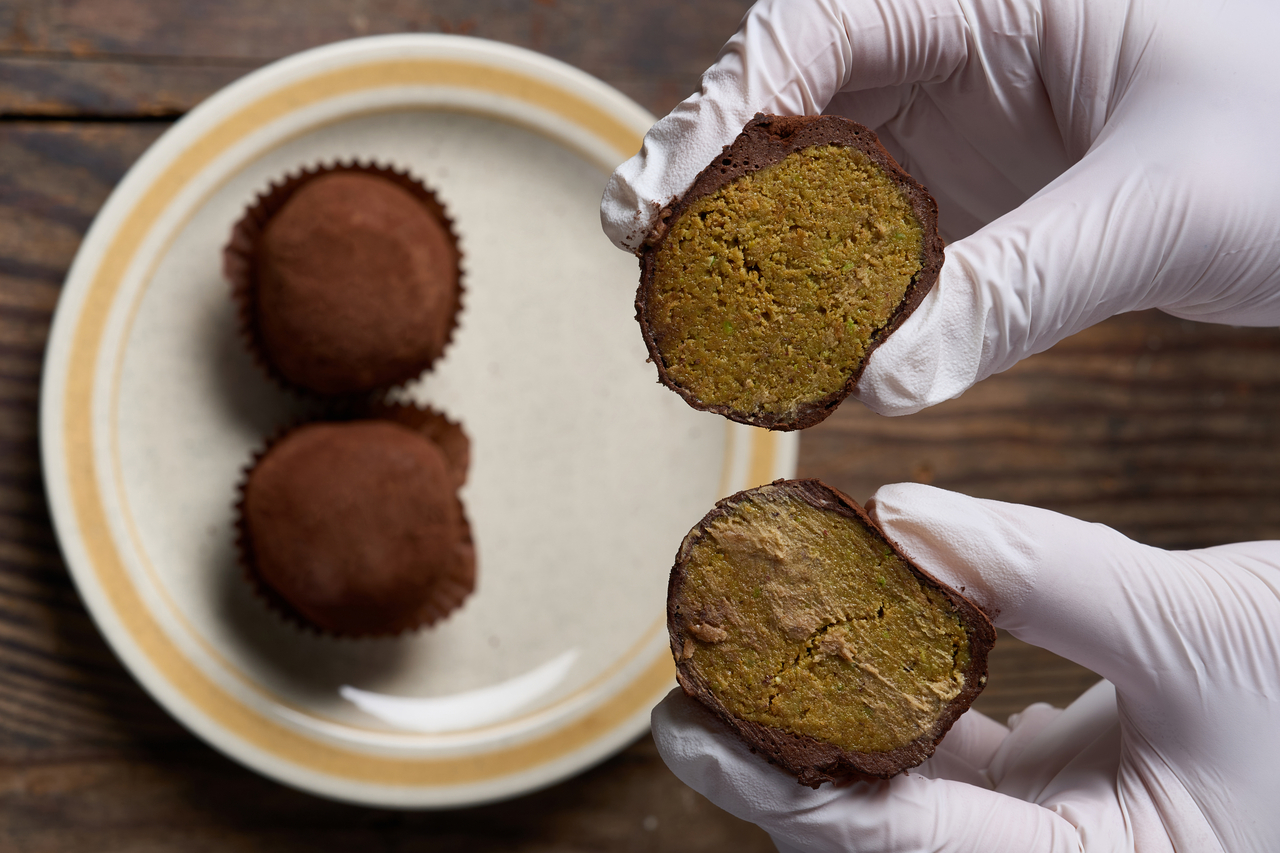
Korean desserts are seen as photo-ready treats that perform well on social platforms, which has boosted their appeal among younger consumers. In fact, Yoajeong, krocci (a dessert that combines croissant dough and tteok), and macaron cereal were singled out in Japanese trend analyses as foods Gen Z is expected to favor in the first half of 2026.
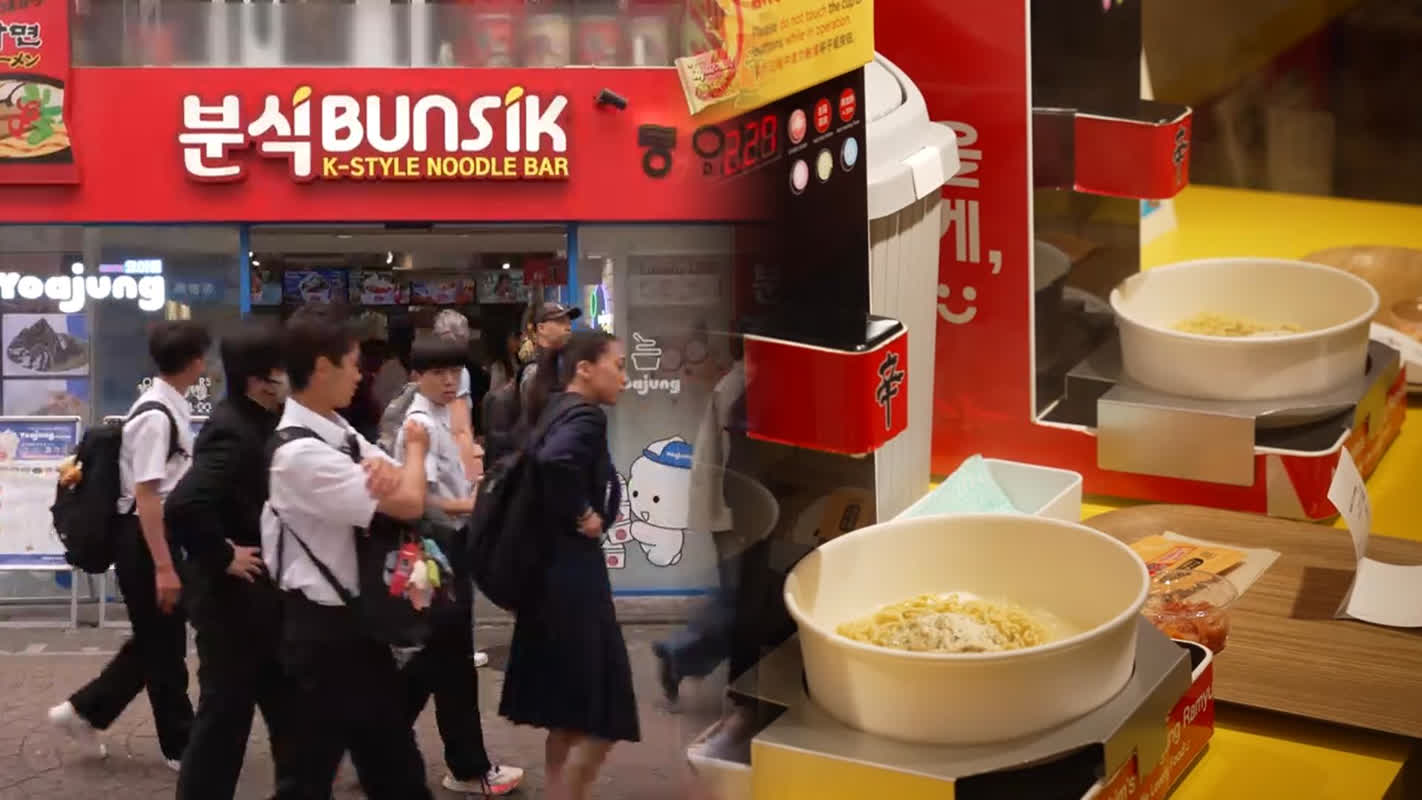
Because these items photograph beautifully and are easy to share online, K-desserts are actively shaping Gen Z consumption habits. In Korea-themed neighborhoods like Shin-Okubo, experiential K-food outings—centered on Korean-style cafés and snack shops—are on the rise.
An aT official said, “The Japanese K-food market is shifting from a household-ingredient model dominated by housewives to a trend-driven model centered on Gen Z.” He added, “Japanese Gen Z shows strong interest not only in the food itself but in experiences that combine social media sharing, so K-food has become popular as content-driven consumption.”