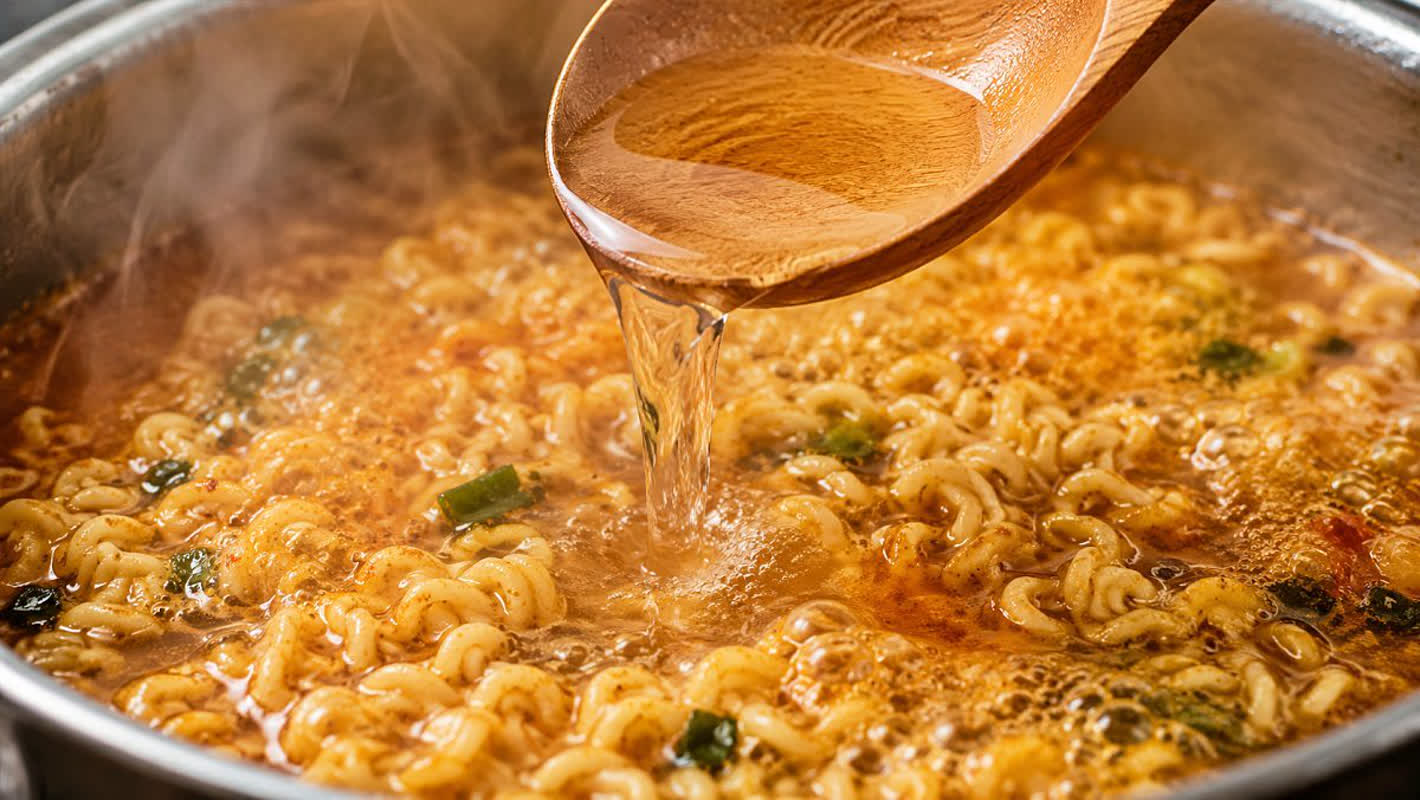
Purslane may look like a common weed, but it's actually richer in nutrients than lettuce and deserves a spot in your everyday meals.
You see purslane along roadsides and around garden beds, and most people simply dismiss it as a weed. With red stems and fleshy leaves, it spreads quickly, so farmers often remove it. Lately, though, purslane has been rediscovered as an underrated wellness ingredient. On a nutrient-by-nutrient basis, it offers a broader range of functional benefits than the lettuce we typically eat.
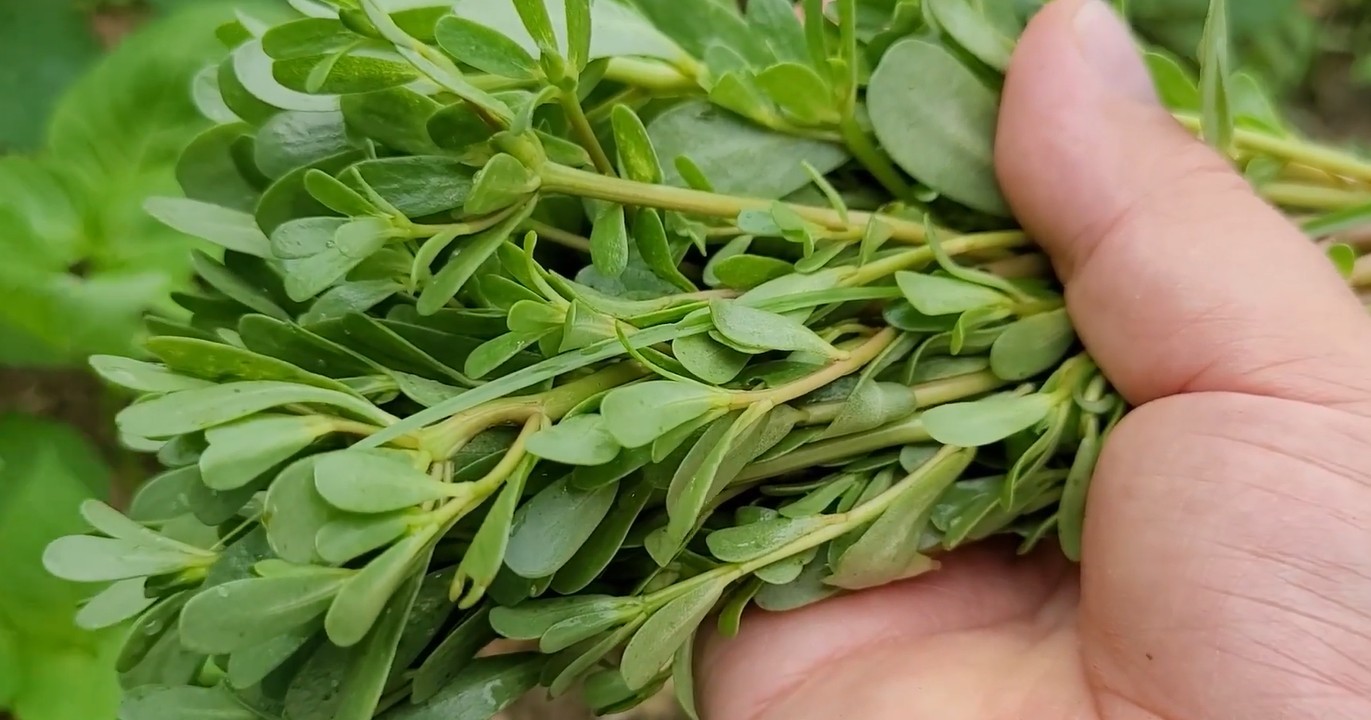
What really puts purslane in the spotlight is its omega-3 fatty acids. We usually associate omega-3s with fish, but purslane is one of the rare plants that contains useful amounts. Omega-3s support heart and vascular health and can help reduce inflammation. Lettuce contains almost none, while purslane can be a valuable plant-based source.
Purslane is also packed with antioxidants. It supplies vitamins A and C along with polyphenols and flavonoids—compounds that reduce oxidative stress and support immune function. As the season warms and fatigue sets in, adding purslane to your meals can help you recover your energy naturally.
Its dietary fiber is notable too. High in water and fiber, purslane supports gut health and can help prevent constipation. Lettuce provides hydration, but purslane stands out by offering a wider variety of nutrients.
So how should you eat purslane? The simplest method is as a namul (Korean-style seasoned greens). Wash young purslane and blanch it in boiling water for about 30 seconds—overcooking will soften the texture and lead to nutrient loss, so keep it brief. Rinse in cold water, squeeze out the excess, and toss with doenjang (Korean soybean paste) or soy sauce, minced garlic, sesame oil, and toasted sesame seeds. Its slightly tart flavor and tender bite pair perfectly with rice.
You can also eat it raw. Young leaves work well in salads; to tone down any bitterness, soak them briefly in cold water. Dress with olive oil, vinegar, and a pinch of salt for a bright, refreshing side. It also helps cut the richness when served alongside meats.
Notably, purslane is already embraced as a health ingredient abroad. In Europe, the Mediterranean, and parts of the Middle East, it’s commonly used in salads and recipes. In Greece and Turkey, people often mix it with yogurt or drizzle it with olive oil—traditional preparations that appear in everyday meals. In the U.S. and Europe, it’s known as purslane and is sometimes classified as a superfood, sold at health-focused restaurants and organic markets. Overseas, its nutritional value and culinary potential are well recognized.
There are some precautions. Purslane can pick up contaminants depending on its growing environment, so avoid harvesting it from roadsides or areas treated with pesticides. It’s best to grow it yourself or collect it from a safe location. If you’re trying it for the first time, start with a small amount to see how your body reacts.
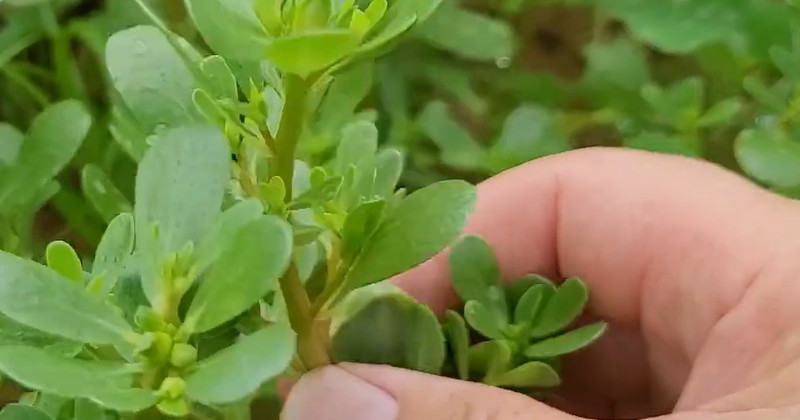
Store it for only a short time. Raw purslane wilts quickly, so keep it unwashed in the refrigerator and use it within 2–3 days for best freshness. After blanching, drain thoroughly and store in an airtight container to extend its shelf life a bit longer.
Long dismissed as a weed, purslane is actually a worthwhile ingredient once you consider its nutrition. It’s practical too—often available nearby at no extra cost. It’s worth rethinking the plants we pass every day; some of them can truly support our health.
If you’ve been pulling purslane out of your yard without a second thought, try putting it on the table. With minimal prep, this natural ingredient brings both flavor and nutrition, making a fresh choice for spring and early-summer menus.
Your daily personal horoscope report! How will your day go?