On the 12th (local time), AFP reported that Norway-based Iran Human Rights (IHR) and the French anti-death-penalty group ECPM (Ensemble Contre la Peine de Mort) said in a joint annual report that Iran carried out at least 1,639 executions last year.
That figure represents a 68% increase from 975 in 2024 and, by current tallies, is the largest total since 1989. The groups warned the actual number could be higher because Iranian authorities do not officially announce many executions.
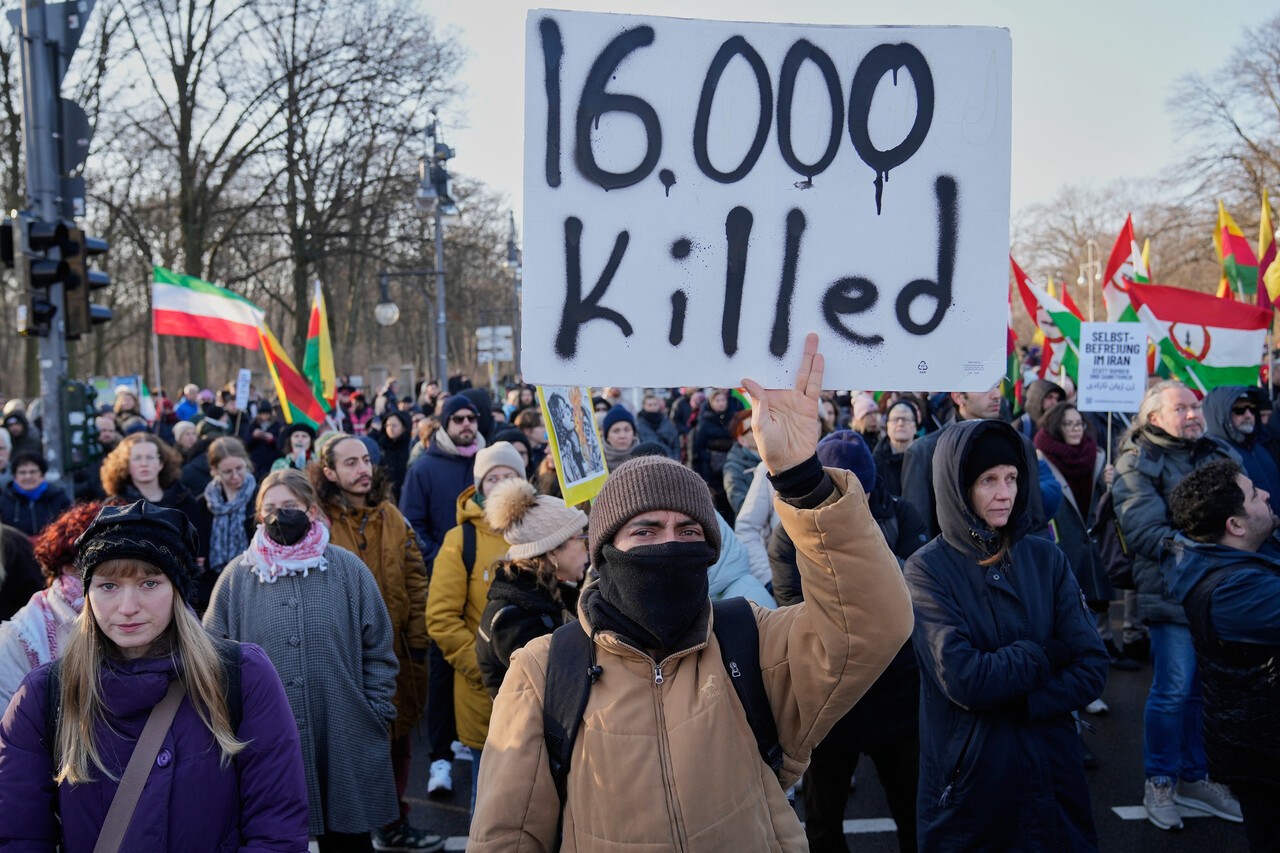
The report also warned that hundreds of protesters arrested after anti-government demonstrations in January face the risk of further executions. As opposition activity showed signs of resurfacing, authorities appear to be using executions to instill fear across society, the groups said.
Mahmoud Amiri Moghadam, director of IHR, said, “Iranian authorities aim to halt new protests and prop up a shaky regime by carrying out an average of more than four executions a day.”
About half of the executions were for drug-related convictions. Human rights groups say tougher penalties for drug crimes serve as a pretext and that the death penalty is being overused as a means of social control.
The report also raised concerns about bias against ethnic minorities.
It found that Kurds in the west and Baloch in the southeast were executed at rates disproportionately high compared with their share of the population. Because both communities are Sunni rather than part of Iran’s Shiite majority, the groups flagged possible religious and ethnic discrimination.
Executions of women also rose.
Last year, 48 women were executed, a 55% increase from the year before. Twenty-one of them were sentenced to death for killing a husband or fiancé. Human rights organizations say many of those women were likely long-term victims of domestic violence and abuse.
Iran primarily carries out executions by hanging inside prisons, but at least 11 public executions were recorded last year. Critics say public executions function less to deter crime than to intimidate the population.
Rafael Chenuil-Hazan, ECPM’s secretary-general, said, “Iran’s death penalty is being used as a tool of political oppression and control, and it disproportionately targets ethnic minorities and other vulnerable groups.”