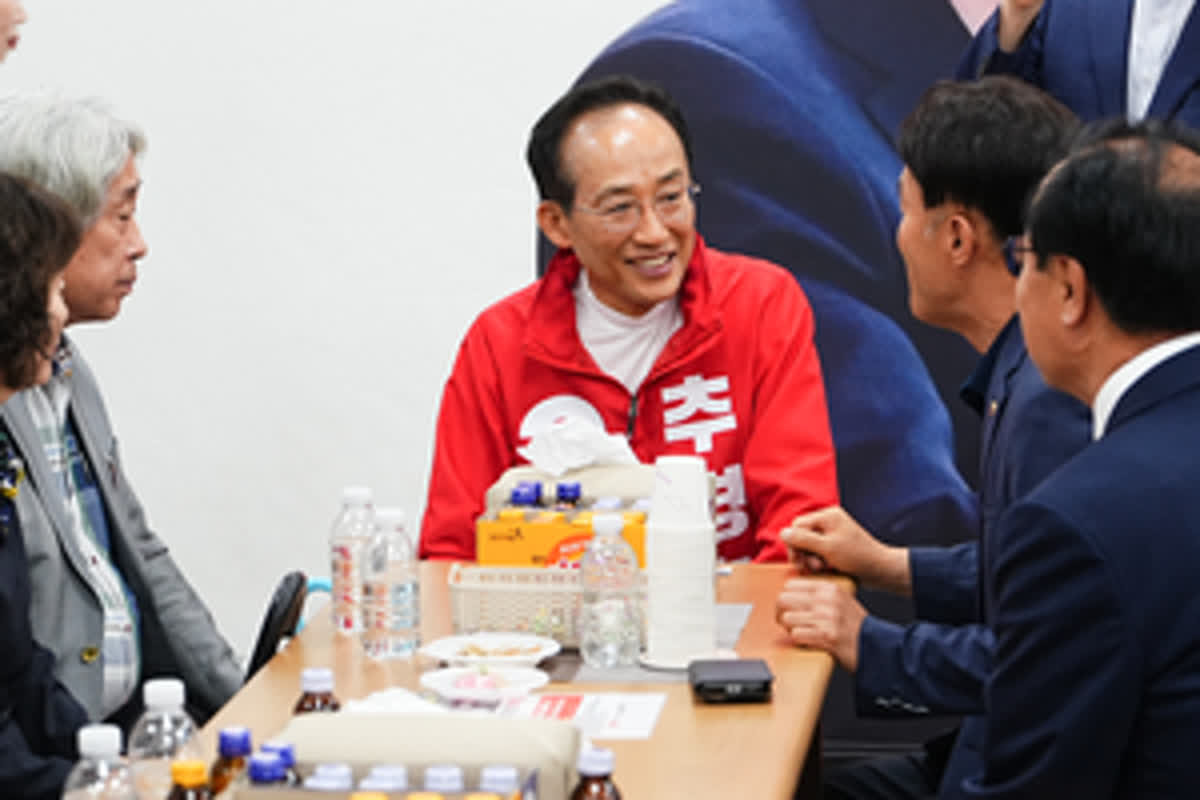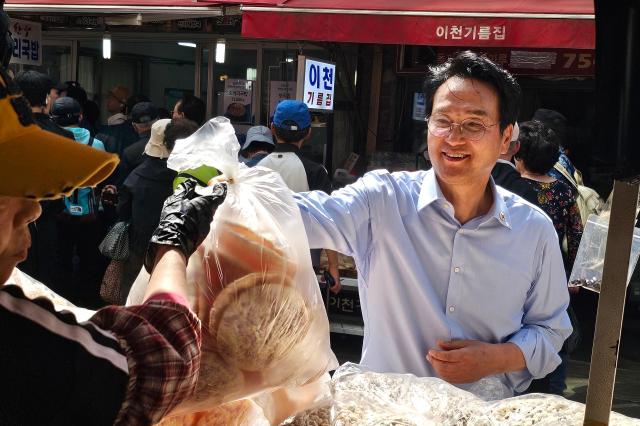
At the market, people raised worries about difficult school commutes, educational inequality and the strain on local businesses caused by the weakening economy. An said livelihoods and education are intertwined and pledged to convert those local concerns into concrete policy. He also emphasized that as Seongnam’s industrial structure rapidly shifts around Pangyo, the education system must adapt to those changes.
The Moran Market visit aligns with the education proposals An has announced recently. On the 17th, he outlined plans for an AI-based learning platform intended to narrow gaps tied to family background and location and to strengthen personalized support for students. He framed AI as a tool to preserve the core of education—not to replace teachers—by reducing teachers’ administrative burdens and enhancing systems to prevent school violence and protect teachers’ rights.
In response to parents’ commuting complaints voiced at Moran Market, he proposed in March a provincewide free school bus system called the Safe EduBus. The plan would use AI and big data to operate tailored routes by region and school, provide location-alert services and station safety personnel, aiming to reduce commuting inequities between rural areas and newly developed towns.
He is also pursuing measures to close education blind spots. In special education, he pledged to relieve overcrowded special classes, expand small special schools, reduce special teachers’ workloads and adjust allowances to realistic levels. On education welfare, he proposed building systems for early detection and support of at-risk students and expanding aid for low-income students.
An’s recent activities reflect an effort to turn everyday issues he hears in markets, on the street and around schools into policies addressing commuting, learning and welfare. His Moran Market visit was more than a public appearance; he used it to see firsthand how the economic slump and education gaps intersect and to broaden his practical, community-focused education pledges.