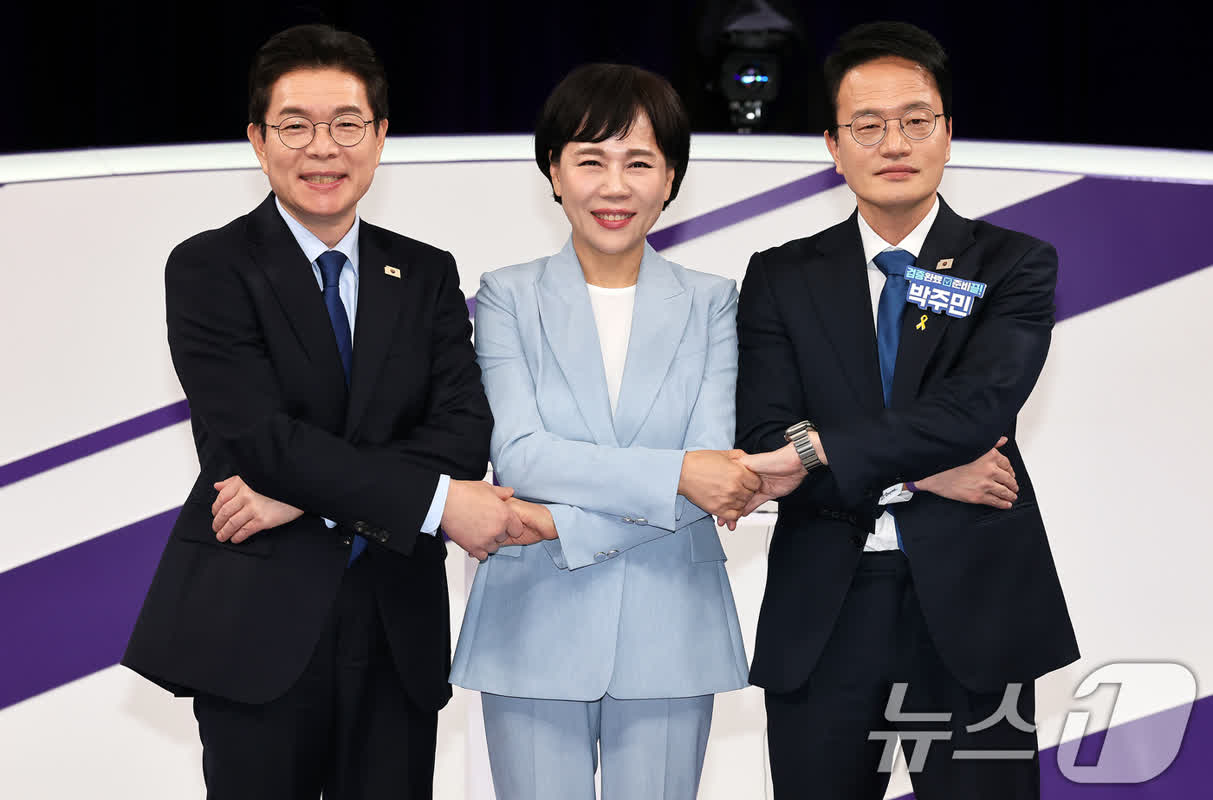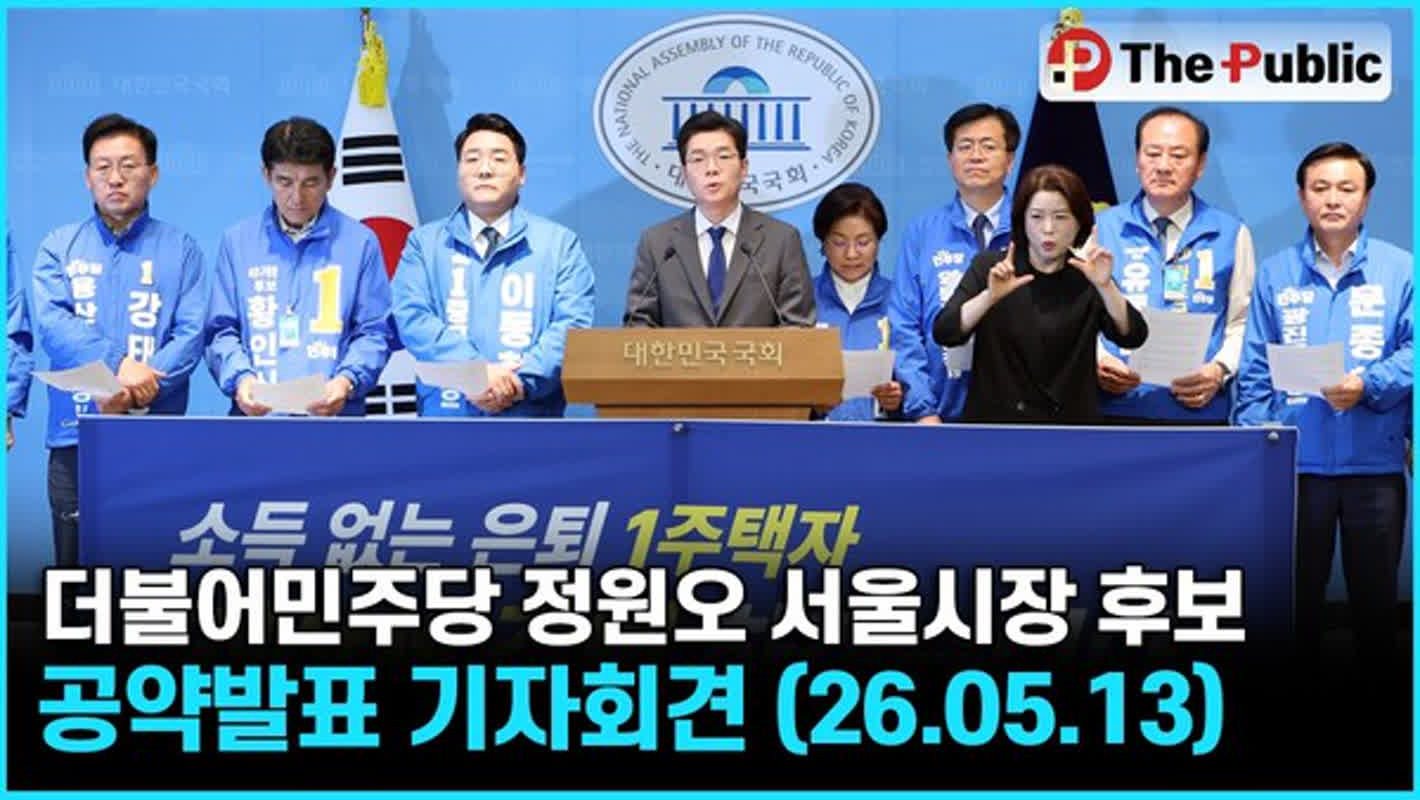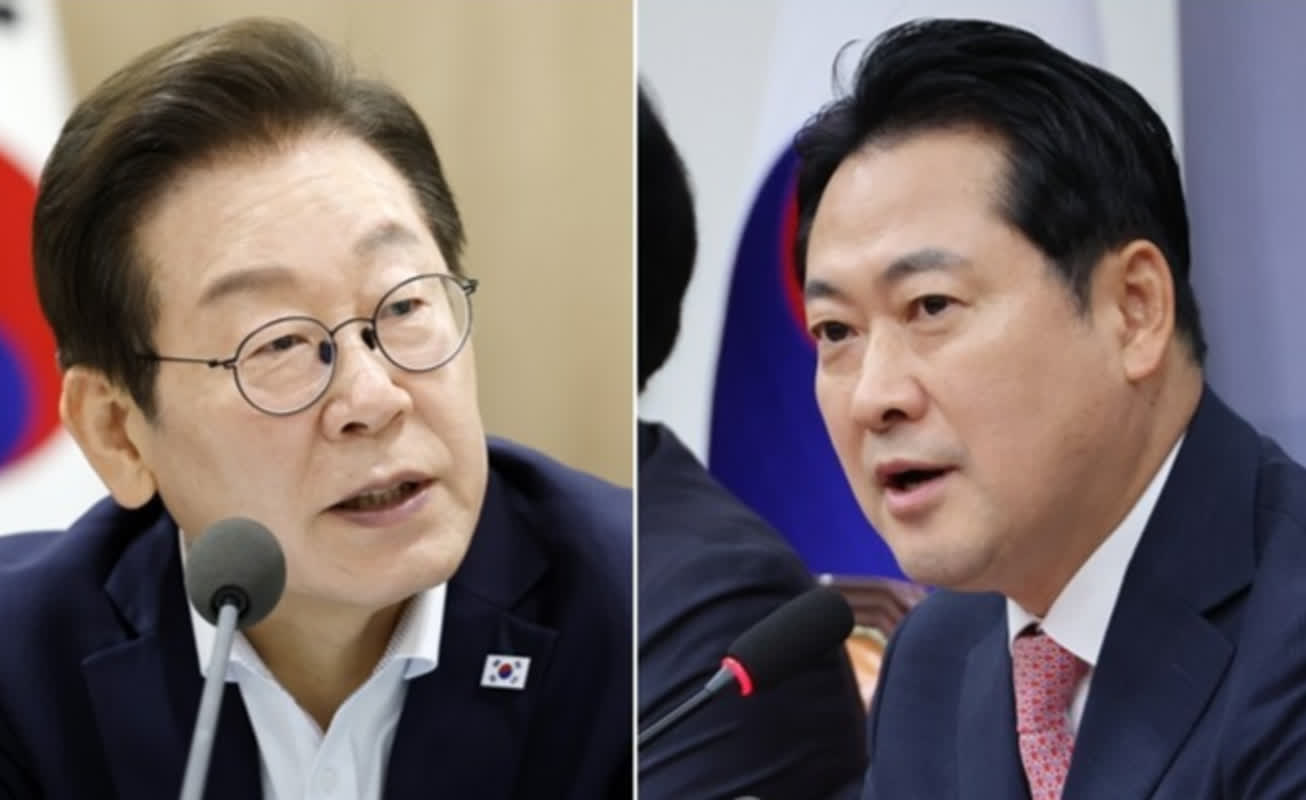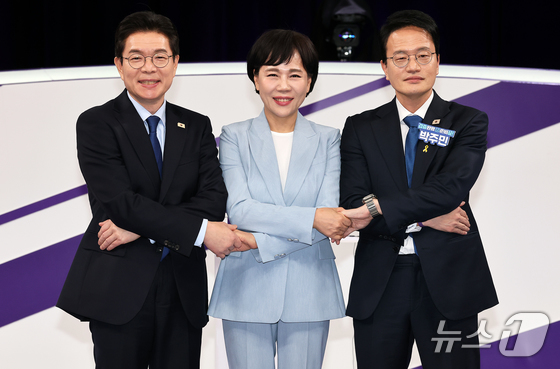
In the Democratic Party’s first debate after three candidates advanced to the main primary, Park Joo-min and Jeon Hyun-hee trained their fire on Jeong Won-oh, who has been singled out as a so-called “Myung Pick” — a label suggesting President Lee Jae-myung’s favored choice.
Park concentrated his criticism on Jeong’s housing and transportation pledges and pressed him over why he said he felt “grateful” to Mayor Oh Se-hoon. Jeong spent much of the session defending his proposals and explaining his policy rationale rather than counterattacking.
The special “100-Minute Debate,” held at MBC’s new building in Sangam-dong, Mapo-gu, featured Jeon, Park, and Jeong (in ballot order) as the Seoul mayoral primary contenders.
Park took the first opportunity to lead the debate and immediately targeted Jeong.
He asked, “Your platform says you’ll use AI to enhance safety, welfare, and permitting and that Seoul needs AI computing infrastructure. How do you plan to secure GPUs and other hardware?”
Jeong responded that the national government had already agreed to purchase GPUs and that his plan relies on using those resources.
Park pressed the point, noting that of the 50,000 GPUs the government acquired, about 10,000 are slated for allocation to government agencies and that some ministries faced competition ratios exceeding 10-to-1 — an argument that the government’s resources are not as abundant as suggested.
Park also raised Jeong’s remark expressing “gratitude” to Mayor Oh for opposing the declaration of emergency martial law by former President Yoon Suk Yeol. Park asked whether that gratitude was appropriate, given that Oh posted a video suggesting the Democratic Party had caused the unrest.
Jeong replied that, at the press briefing when the comment was made, the question focused on what Mayor Oh had done well; he therefore said opposing the declaration of martial law on that day was the right action. But Jeong added that, given Oh’s continued closeness to former President Yoon, he now takes an oppositional stance toward the mayor.
Park also criticized Jeong’s characterization of the trial court’s sentence in the case against former President Yoon — where the court handed down life imprisonment rather than the death penalty sought by prosecutors — as “reflecting citizens’ will.”
Jeong explained that the trial judge’s ruling had been surprising and unsettling to many. He noted that the court did find Yoon guilty of insurrection, which he described as reflecting public sentiment, but Jeong said he could not accept the mitigating factors applied. He expressed hope that higher courts in the appeals process would fully review the sentencing.
When Jeon had her turn to lead the debate, she also targeted Jeong’s proposals.
She criticized Jeong’s plan for so-called compact apartments, calling it highly unlikely that significant supply could be delivered within a single mayoral term and labeling the proposal unrealistic.
Jeong countered that the plan was not impossible and that if such housing is needed, the city should build it. Jeon pressed further, arguing that reconstruction and redevelopment typically take more than a decade and questioning how it could be achieved within one term.
Jeong shot back, asking whether Jeon was suggesting current residents should simply be relocated and whether that was practicable.
Jeon also challenged Jeong’s transportation pledge — shared offices within walking distance of homes, bus stops five minutes away, and subway stations within 10 minutes — questioning whether it could be realized in a single term and warning that proposed bus route overhauls might be more rhetoric than deliverable policy.
Jeong responded with specifics: Seoul has been working on bus-route redesign for nearly two years, he said, with drivers generally supporting the changes. The plan, he explained, calls for a comprehensive overhaul of primary bus lines and the neighborhood shuttle routes that connect to them. Where those changes are insufficient to meet a five-minute standard, the city would supplement service with public micro-shuttles to ensure residents can reach a stop within five minutes of their doorstep.
At one point, when Jeong’s opportunities to speak were being cut short, the moderator intervened to insist that each candidate be guaranteed at least 30 seconds to respond.
Across his two opportunities to lead debate segments, Jeong focused less on putting his rivals on the defensive and more on articulating his own policy positions.
All three candidates said they sympathize with the intent behind President Lee Jae-myung’s limit on free subway rides for seniors during peak commuting hours, but they differed on implementation.
Jeon proposed issuing separate transit cards so seniors could continue to access existing free-ride benefits, while Park suggested temporarily subsidizing public transit or reducing fares and encouraging staggered or flexible commuting hours to ease congestion.
Jeong argued that, rather than imposing restrictions through government fiat, the city should run a campaign appealing to seniors for voluntary adjustments to their commuting times.