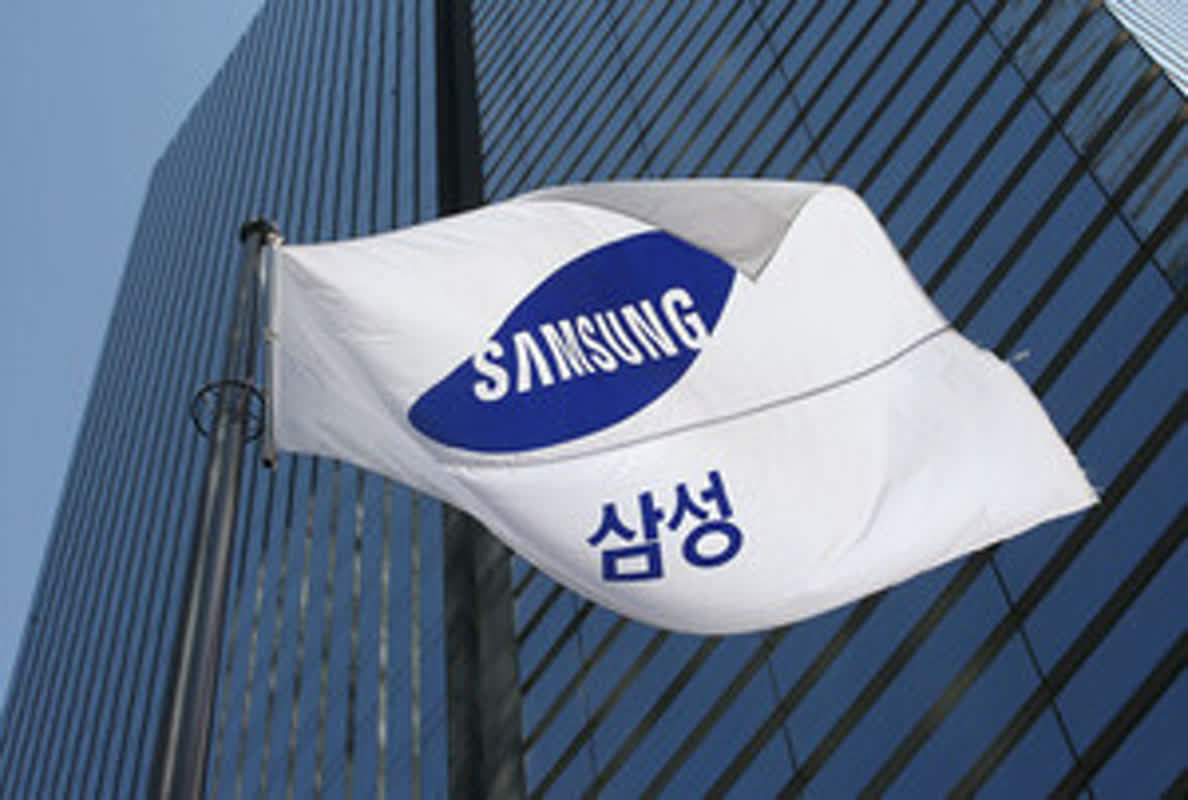
The dispute between Samsung Biologics' union and management is showing signs of becoming protracted. Efforts to resolve the issue through direct talks have broken down, and tensions are rising once more.
Industry sources said the one-on-one meeting between the union and company leaders, scheduled for this afternoon, did not take place. The union says the company notified it of a unilateral cancellation; the company says the public disclosure of a recorded telephone call damaged trust and made in-person talks difficult.
The union says the company cited snippets of a call with an HR executive that were posted on an anonymous online forum, expressed regret, and used that as the reason for canceling.
The union contends the recording was shared only in a limited way to inform members of the situation. The company, however, says the recording and associated comments were made public and argues that, given the circumstances, a broader tripartite labor-management-government discussion is more appropriate than individual meetings.
Neither side has ruled out dialogue entirely. A government-participated labor-management-government meeting scheduled for the 8th is expected to proceed as planned. Observers view the session as an attempt to find a way forward through public mediation amid escalating tensions.
At the heart of the conflict are wages and the performance-reward system. The union is seeking a one-time bonus of roughly 30 million KRW per person (approximately $22,500), an average base pay increase of 14%, and a plan to allocate 20% of operating profit as performance bonuses. Greater transparency in personnel decisions is also a key demand. The dispute echoes a broader trend across the biotech industry over how to set and distribute performance-based rewards.
The union escalated pressure with a partial strike at the end of last month and a full strike earlier this month. Participation grew from a few dozen workers to more than 2,000. As production staff joined in greater numbers, some pharmaceutical production lines stopped, causing operational disruptions.
The company estimates strike-related losses at about 150 billion KRW (approximately $112.5 million). Given the contract-manufacturing nature of its biopharma business, production delays can quickly translate into contract-performance issues, harming both finances and external credibility.
The union has ended the full strike and returned to work but continues a \"work-to-rule\" campaign by refusing overtime and holiday shifts. While operations appear normal on the surface, this approach can reduce production efficiency. Given the 24/7 nature of many biotech processes, staffing shortfalls could create additional problems.
The company shares that concern, warning that slower responses in emergencies could lead to further losses. It says it is reviewing emergency response protocols internally and taking steps to minimize risk.
Legal confrontation is unfolding in parallel. The company has filed criminal complaints accusing some union members of obstructing business during the strike and is considering disciplinary measures. The union counters that those actions were legitimate union activities during a labor dispute.
In injunction hearings related to the strike, a court has permitted participation in some processes, extending the power struggle between labor and management into the courts.
Industry analysts say the case could become a test of how high-performing Korean biotech firms distribute gains, beyond a straightforward wage negotiation. Depending on the outcome of the tripartite talks, the result could set a precedent for similar disputes going forward.
An Sang-jun ansang@viva100.com