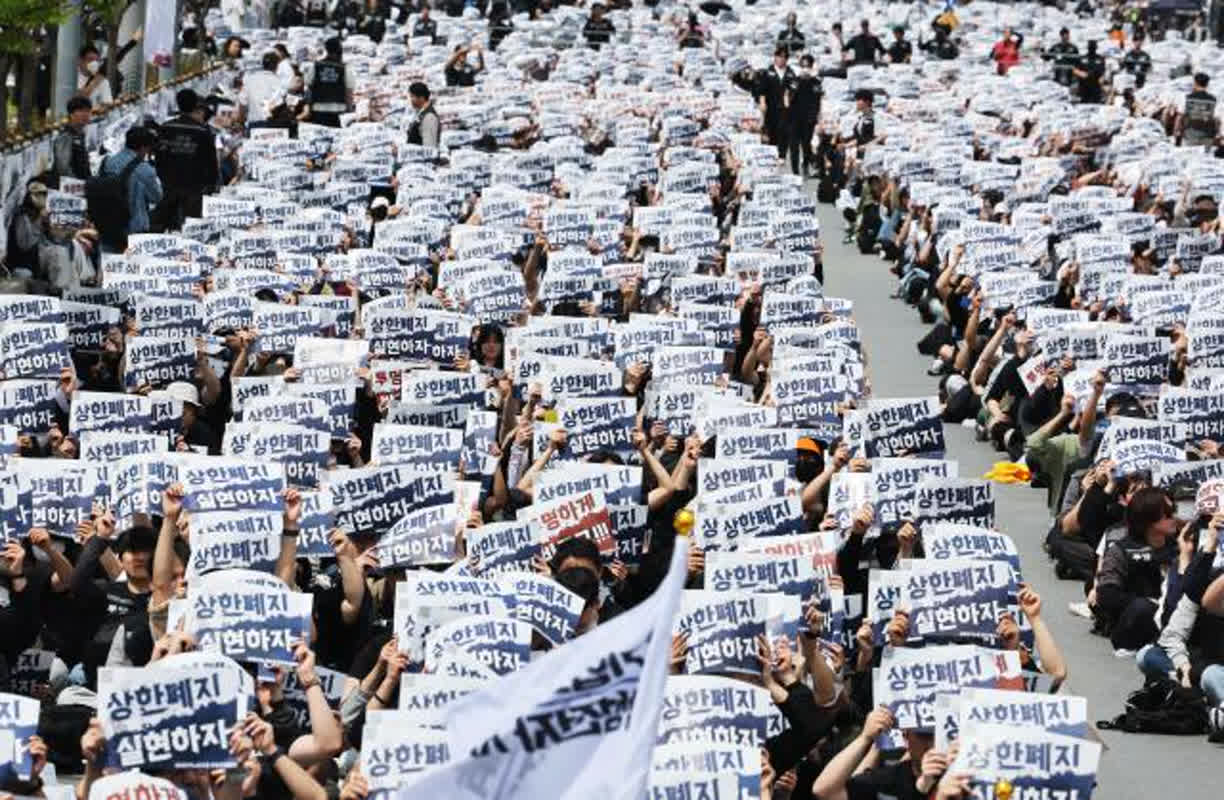
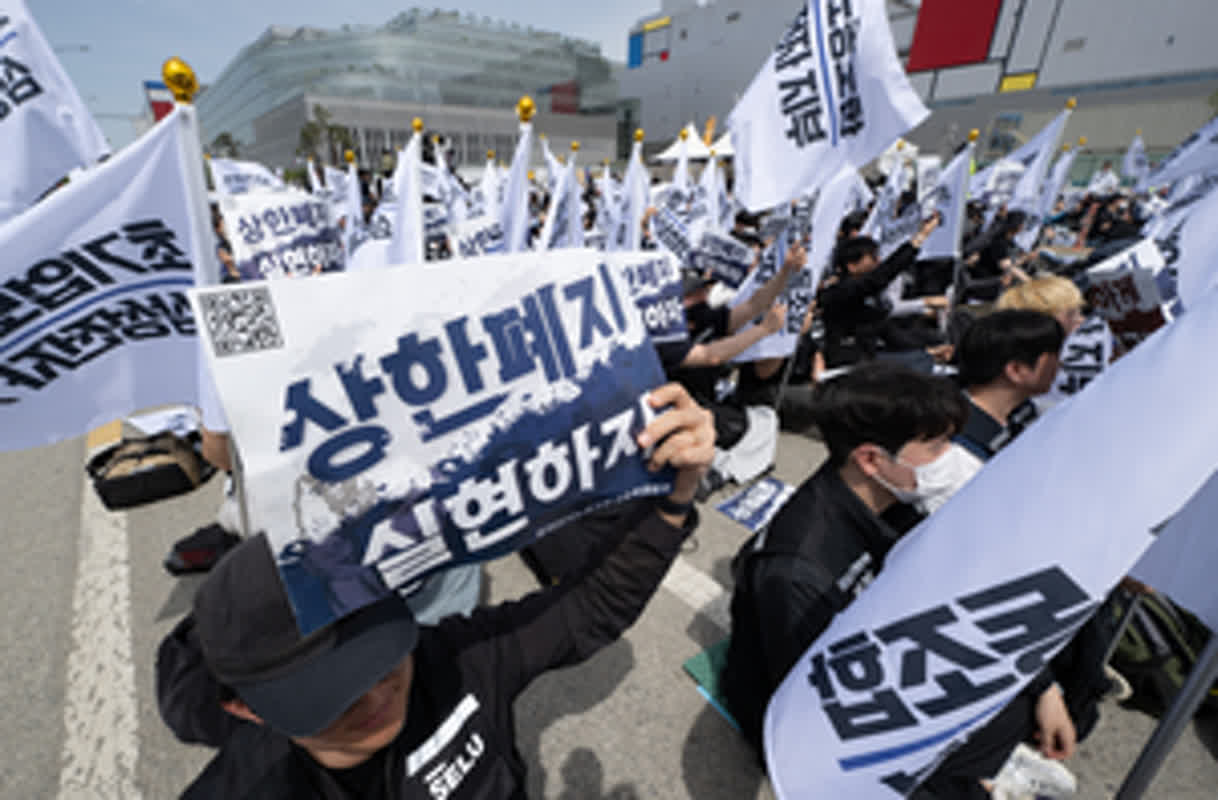
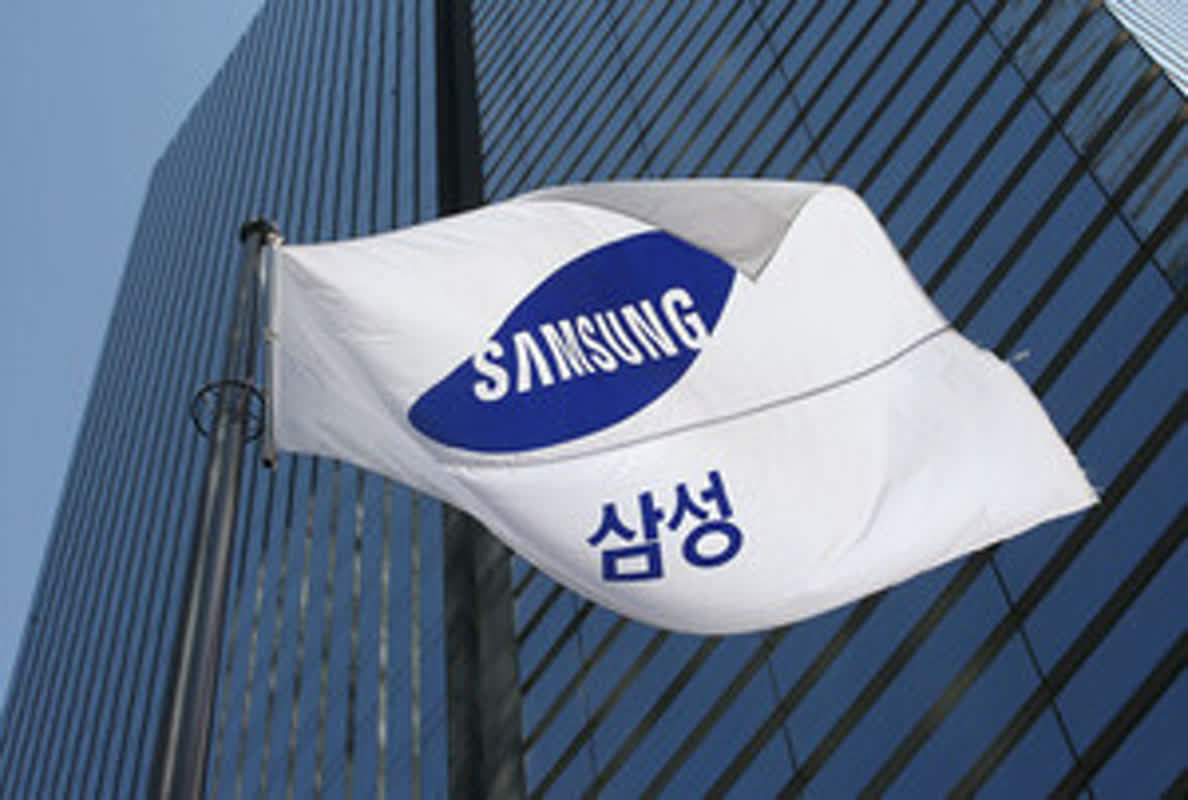
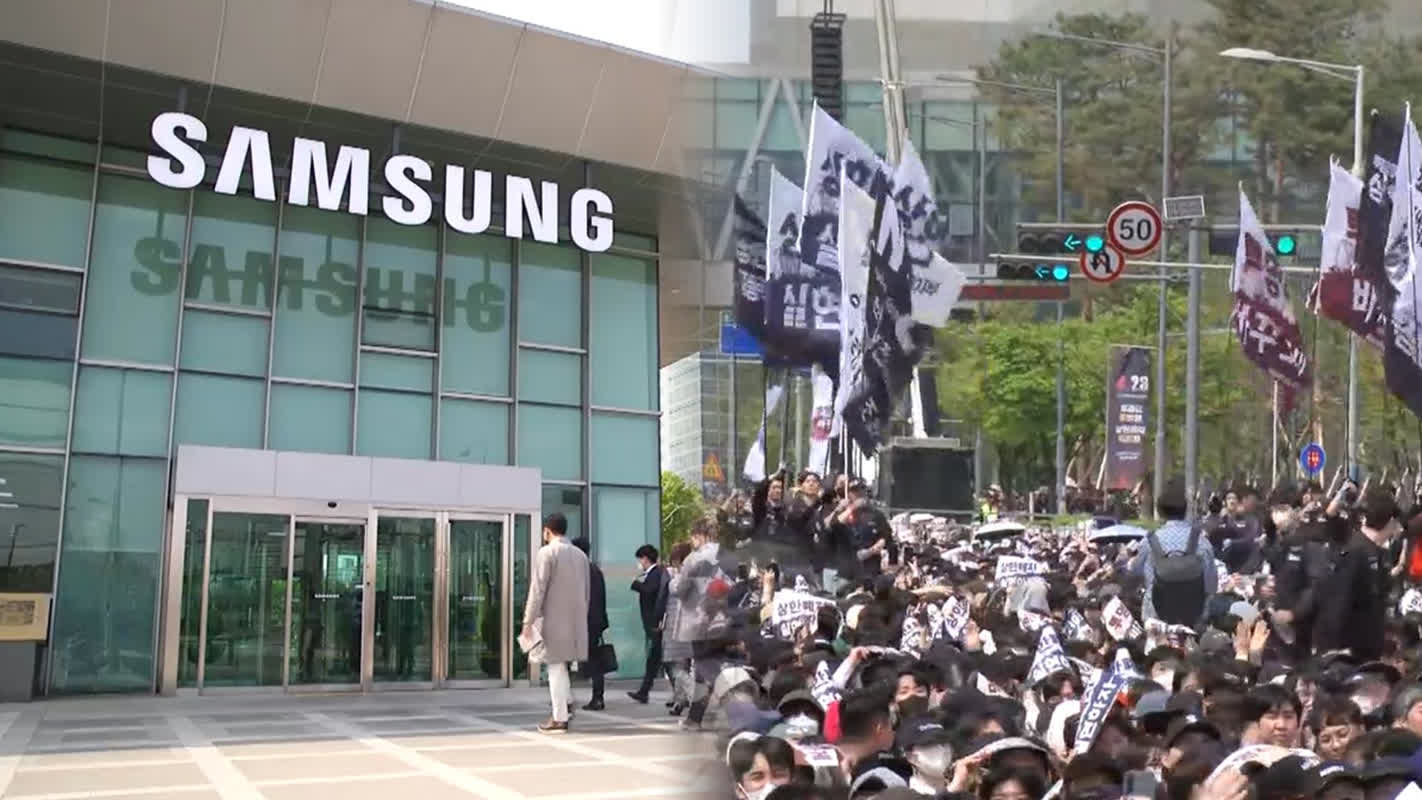
With a general strike the Samsung Electronics union announced just seven days away, labor-management tensions are reaching a boiling point. Samsung renewed its offer to engage in talks, but the union said it will not resume negotiations unless management presents substantive, forward‑looking proposals to reform the bonus system.
On the 14th, the National Samsung Electronics Labor Union (JeonSamno) and the Samsung Electronics Labor Union Joint Struggle Headquarters, which includes the cross-company union, said they have “no plans for additional negotiations at this time,” while adding the condition that “we remain open to talks if management brings proposals to make bonus calculations transparent and to abolish the cap.”
The union originally demanded institutionalizing a bonus pool equal to 15% of operating profit and abolishing the cap on the excess‑profit incentive (OPI), which is currently set at 50% of annual salary.
During post-adjustment talks on May 11–12, the union proposed lowering the operating‑profit share from 15% to 13%, but said the company rejected the offer. The union said it offered a compromise — a 13% operating‑profit share coupled with an OPI stock‑compensation plan — and indicated it would be willing to persuade members by applying a temporary five‑year implementation if a ten‑year plan proved unattainable. “We tried to reach a compromise,” the union emphasized.
However, the Central Labor Relations Commission's adjustment proposal maintained the EVA‑based OPI system and the 50% salary cap. The commission also proposed issuing a special management performance bonus limited to the DS division, funded by 12% of operating profit, with any additional payment contingent on achieving first place domestically in sales and operating profit this year.
The union rejected that as “a regressive offer,” declared negotiations irreconcilably broken off, and refused to accept it. After roughly 28 hours of intense talks over two days, the parties failed to narrow their differences.
Samsung responded immediately after the breakdown by saying, “we will continue sincere dialogue to prevent the worst outcome,” and the company sent an official letter to the union on the 14th requesting further talks.
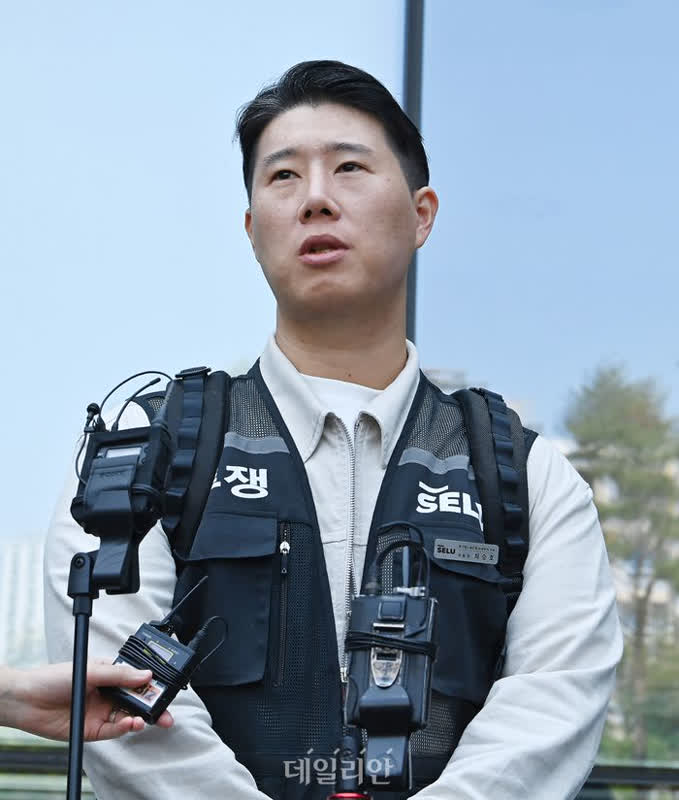
But the union has stood by its position that it will not return to negotiations without a fundamental change in management’s stance. At the second hearing on the injunction to bar unlawful strike actions the previous day, Choi Seung‑ho said he was not considering additional talks with the company before the strike ends.
The union subsequently formalized its plan to launch a general strike on the 21st. As concerns about the largest strike in the company’s history mounted, the Central Labor Relations Commission asked Samsung and the union to resume post‑adjustment talks on the 16th.
Post‑adjustment proceedings can begin when both sides request them, when one side requests and the other agrees, or when the labor commission chair recommends them and both parties consent. If post‑adjustment resumes on the 16th, it will likely be the final negotiating table before the general strike.
Meanwhile, the union demanded that Samsung CEO Jeon Young‑hyun present concrete plans to make bonus calculations transparent, remove the cap, and institutionalize the changes. In response to Samsung’s earlier invitation to talks, the union said that if CEO Jeon does not respond personally by 10 a.m. on May 15, it will launch an 18‑day general strike beginning on the 21st without further negotiations.
Reporter Jeong Su‑yeon ssu@viva100.com