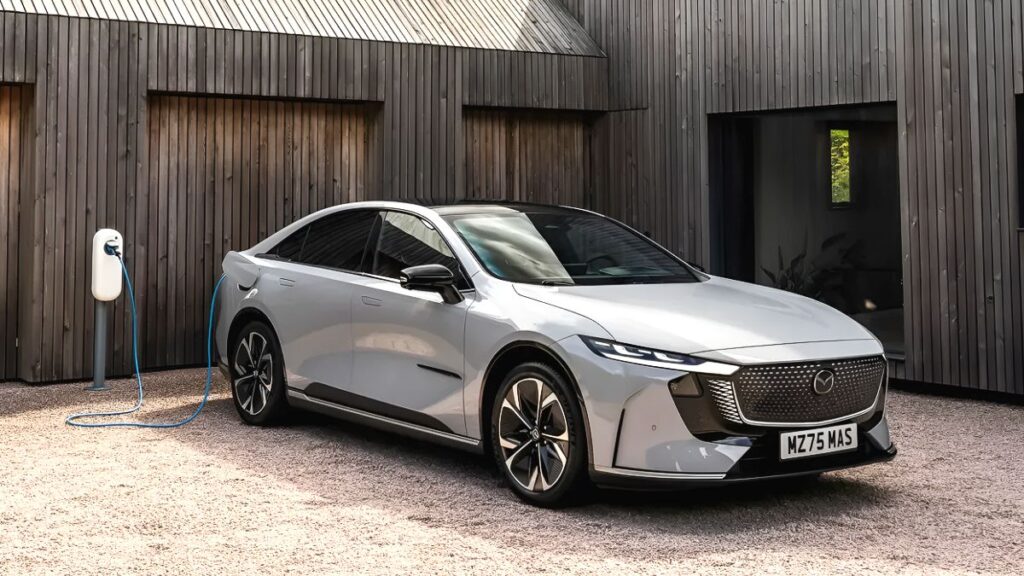
As the global electric-vehicle market increasingly skews toward space-focused SUVs, Mazda has introduced a midsize electric sedan that leans into classic sedan appeal and aggressive pricing — a combination that’s drawing attention.
Rather than the heavy, lumbering characteristics common to many SUVs, the 6e emphasizes a sharper driving feel and the refined presence of a traditional sedan, expanding buyers’ choices.
An affordable midsize electric sedan priced in the mid-40 million KRW (approximately $30,000) range
International media and industry sources report that Mazda officially unveiled the midsize electric sedan Mazda 6e at the Bangkok International Motor Show.
The most notable detail is its aggressive pricing: local launch figures run from 1,169,000 to 1,199,000 baht. Converted at recent exchange rates, that works out to roughly 43–44 million KRW (approximately $32,250–$33,000). Given the hefty battery costs that often push usable midsize EVs well past 50 million KRW (about $37,500), Mazda’s pricing is highly competitive.
For buyers, that pricing undercuts the typical midrange EV baseline and could make a practical, efficient sedan an attractive alternative to crossover-heavy lineups.
Sedan advantages that counter 'SUV fatigue'
Mazda’s main play with the 6e is to target growing “SUV fatigue.” The majority of new global EVs have migrated to SUV and crossover packaging because those bodies make battery accommodation easier, a shift that has narrowed design variety.
But a sedan’s lower center of gravity and streamlined silhouette reduce aerodynamic drag, improving efficiency — a key area where EVs can struggle.
With the battery pack mounted low, the 6e promises the nimble cornering and composed high-speed stability associated with sedans, making it a strong option for drivers who prioritize engagement and handling.
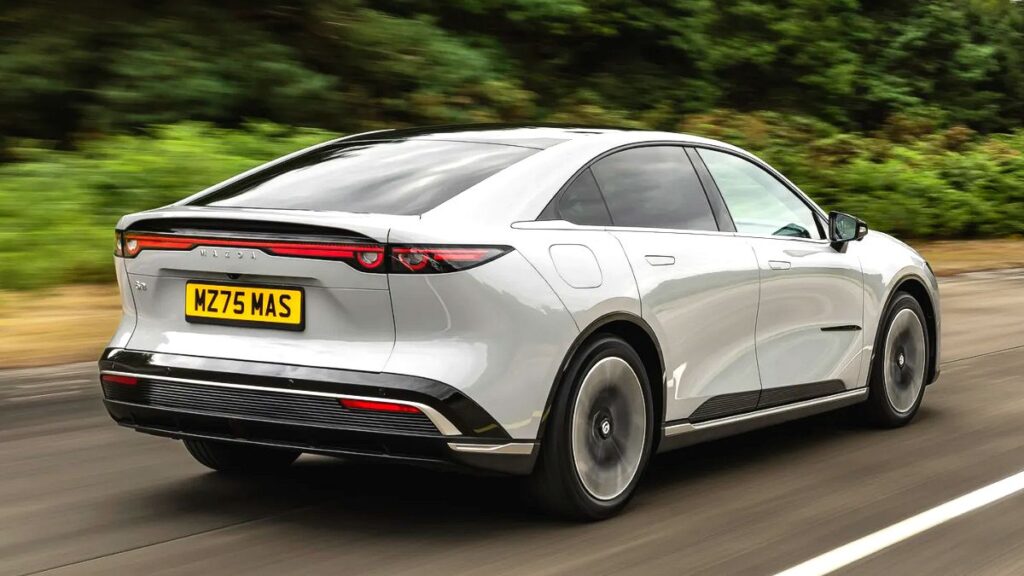
For urban commuters who rarely need car-camping capabilities or large haul capacity, the 6e could be a far more attractive, practical choice than a tall, bulky SUV.
If it lands in Korea, it would go head-to-head with the Ioniq 6 and Sonata
If Mazda brings the 6e to Korea while maintaining this level of price competitiveness, its most direct rival is likely to be Hyundai’s dedicated electric sedan, the Ioniq 6.
The Ioniq 6 also delivers strong aerodynamic performance and efficiency, but critics say the midsize electric-sedan market has offered too few choices, leaving selection effectively limited.
Should the Mazda 6e enter with a real-world purchase price in the low-to-mid 40 million KRW (approximately $30,000–$33,750) range, it could act as a catalyst that expands the segment and pressures competitors on price.
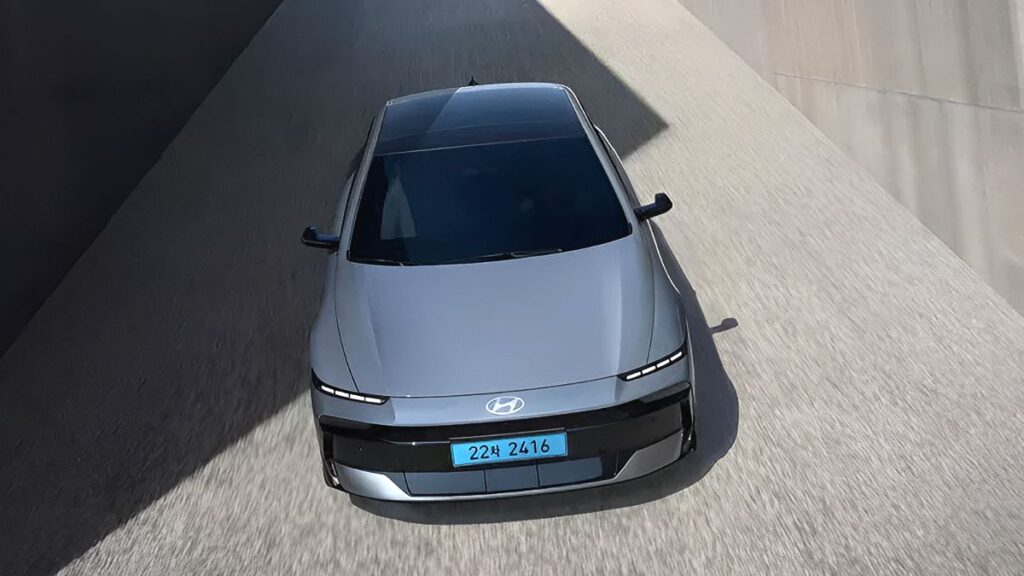
Analysts also note the 6e has the potential to convince conservative buyers who still opt for internal-combustion models such as the Sonata or K5 to consider an electric switch.
Stepping away from the industry’s one-size-fits-all upsizing trend, the arrival of a sedan that prioritizes core sedan virtues and price competitiveness could create notable ripples across the EV landscape.