|
 >
>KAMA said in a statement on the 12th that, on behalf of the industry, it welcomed the bill's passage. The group thanked the National Assembly for handling the legislation through bipartisan cooperation and the government for pursuing active trade negotiations to support the auto sector, which it called a national strategic industry facing a crisis.
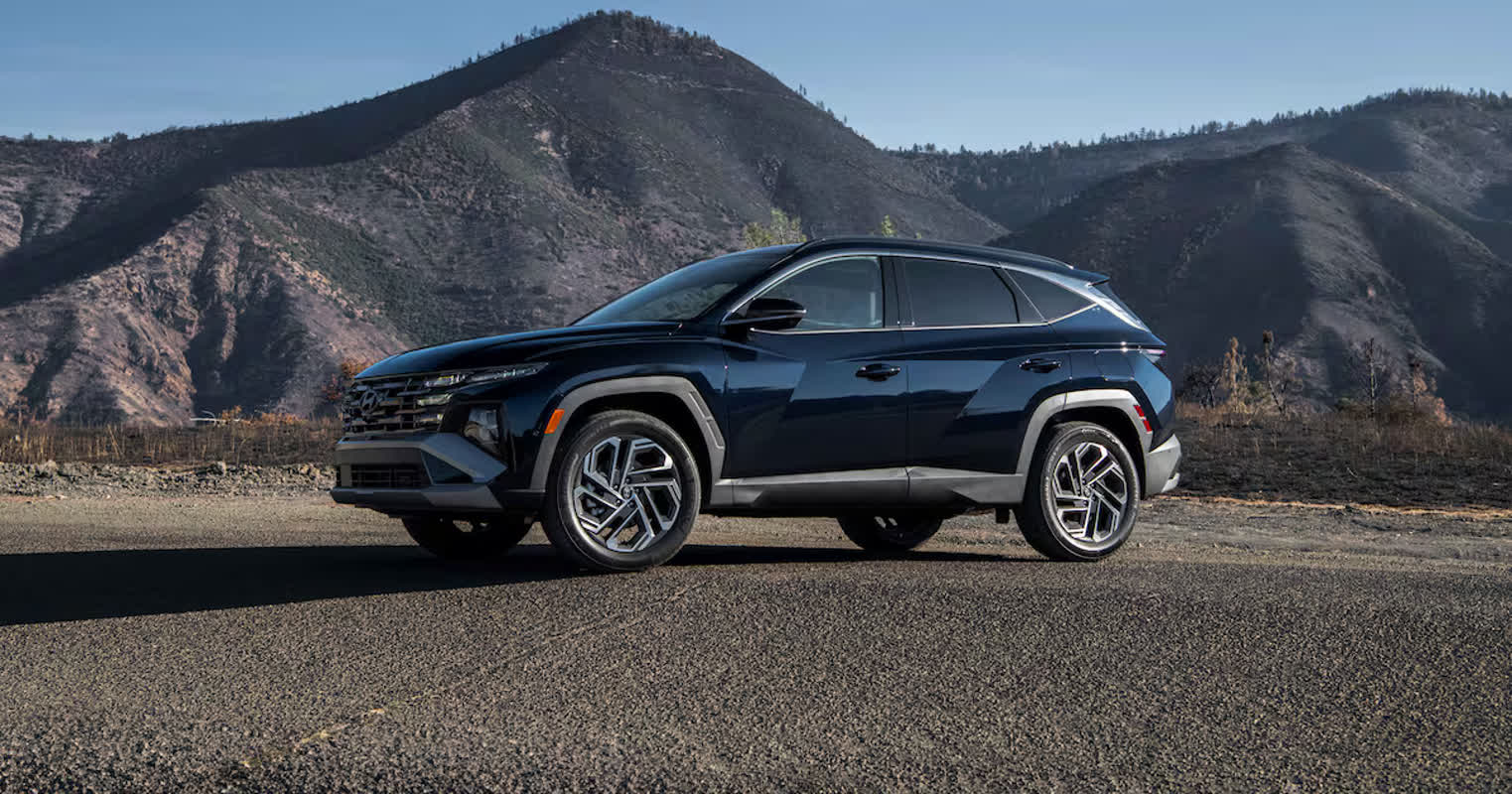
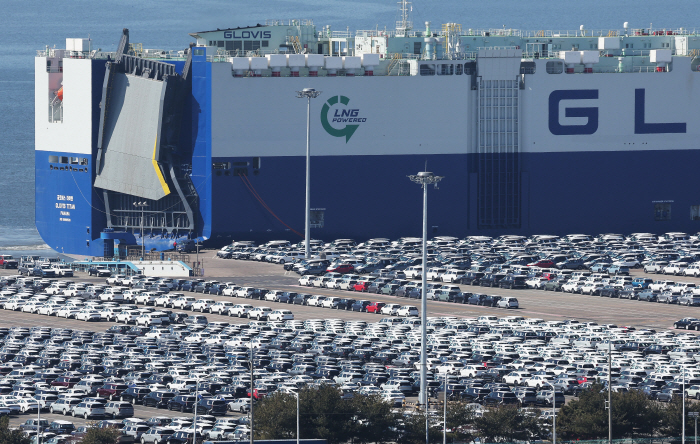
KAMA said the industry had been concerned that U.S. export tariffs could be raised from the current 15% back to 25%, a move that would have eroded export competitiveness, reduced domestic production and weakened the industry's ecosystem.
With the special act now in place, much of the uncertainty around potential U.S. tariff hikes has eased, KAMA said, leveling the playing field for South Korean firms in their key U.S. market. The association expects the development to shore up business stability and encourage greater investment across the sector, from automakers to parts suppliers.
KAMA said it will continue investing in technological innovation, productivity improvements and the shift to next-generation vehicles to strengthen global mobility competitiveness. It also plans to reinforce the domestic production base by stimulating local demand and building a virtuous-cycle ecosystem within the parts industry.
The association emphasized it will work, with continued attention and support from the government and the National Assembly, to help South Korea's auto industry emerge as a global mobility leader.