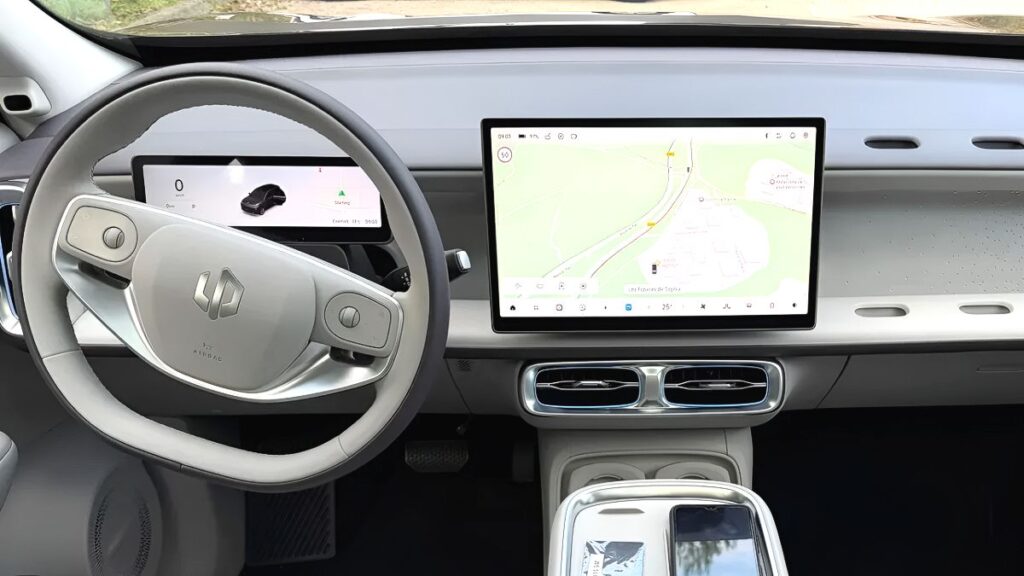
The long-held notion that Chinese cars are merely cheap transportation is collapsing.
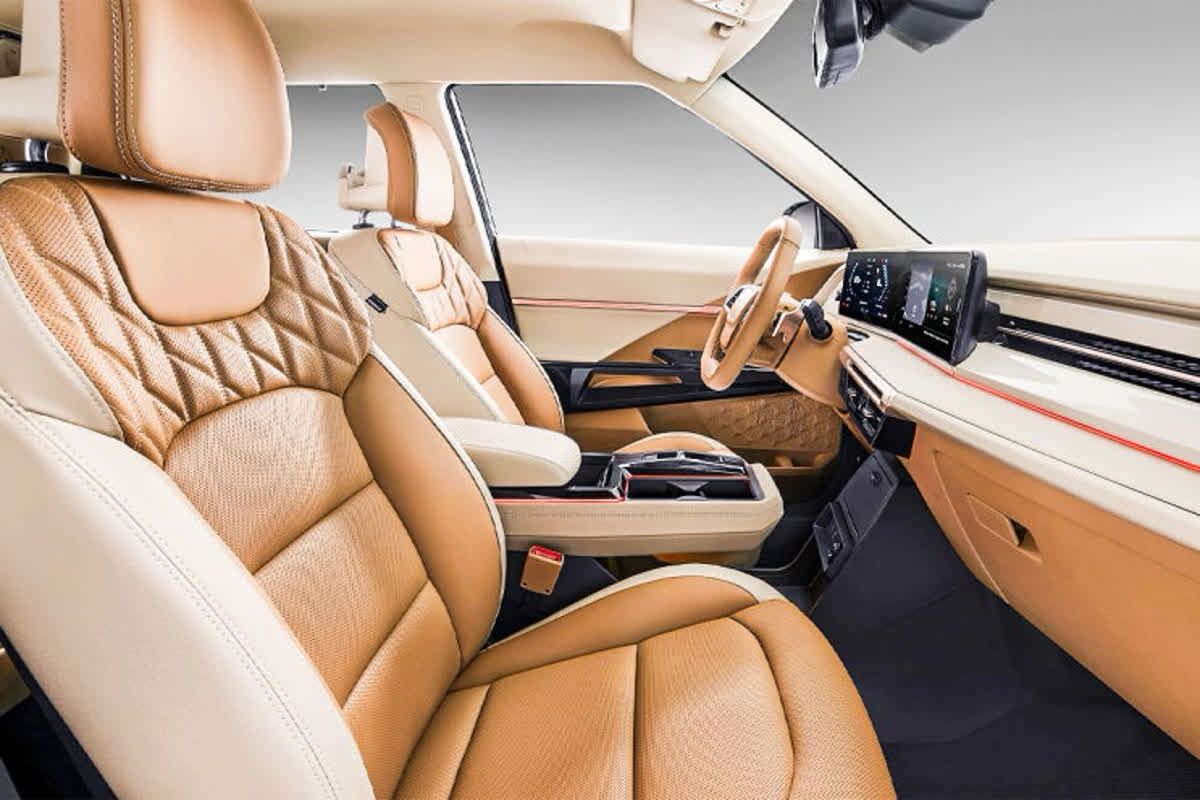
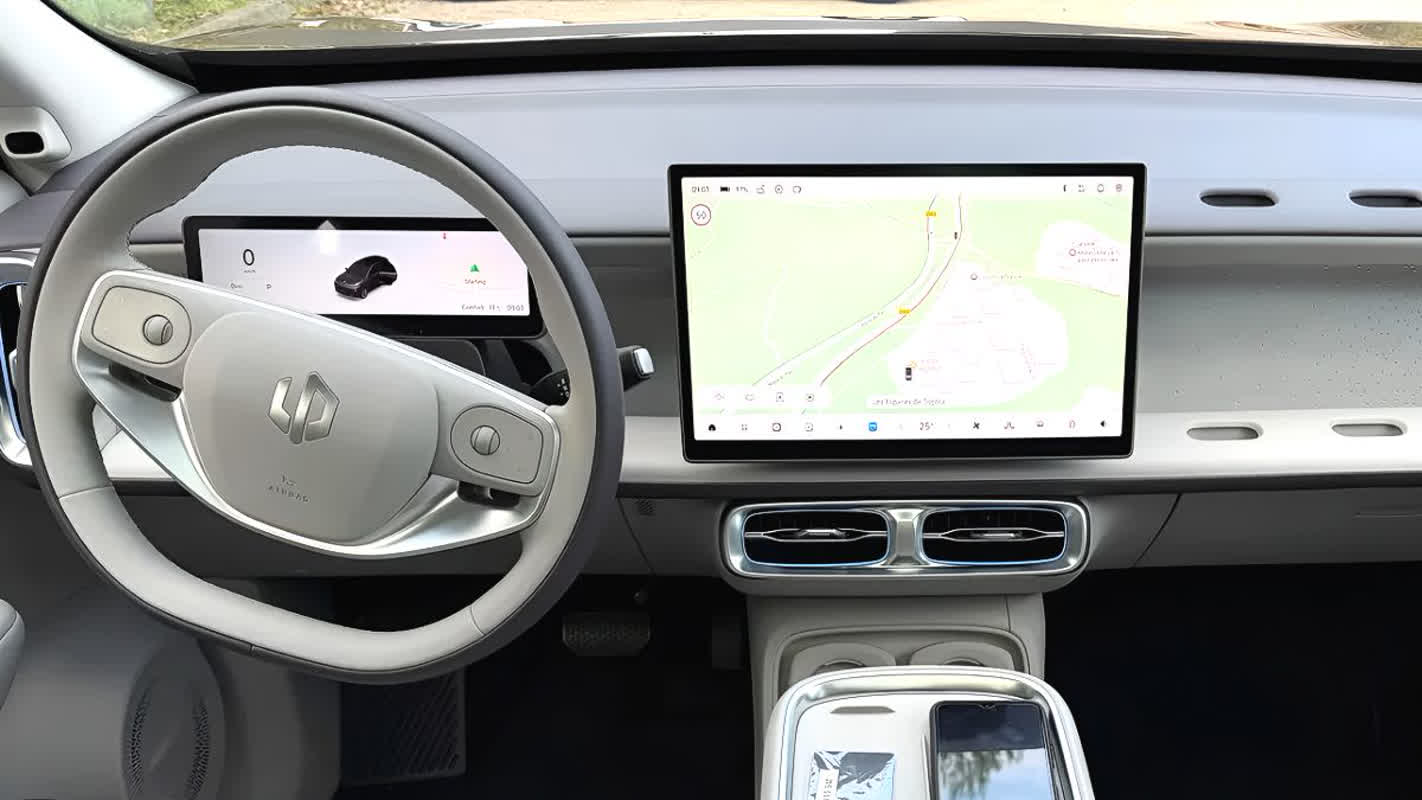
Once dismissed for poor assembly and sparse trim levels, Chinese automakers are now shaking up the global market with advanced autonomous-driving systems and feature-rich interiors.
They’re no longer competing on price alone. At the same price point, buyers can often get significantly more high-end tech—a "technical value" proposition that’s opening wallets worldwide.
Leapmotor Announces Nationwide Rollout of Urban Autonomous Driving in 2026
International outlets say Chinese EV maker Leapmotor has laid out an aggressive 2026 roadmap to expand advanced driver-assistance systems (ADAS), signaling a major technology push.
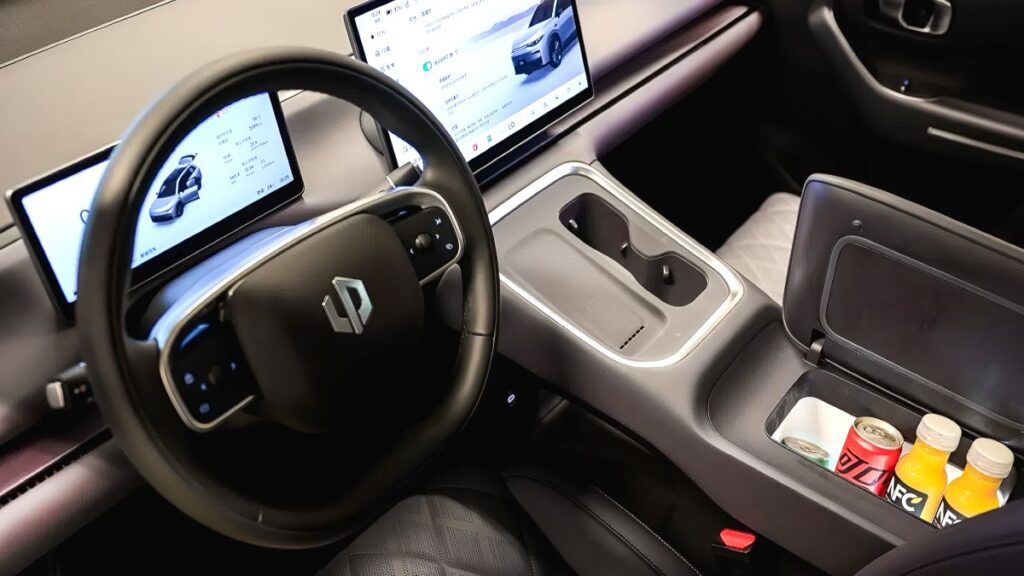
Leapmotor’s plan calls for enabling navigation-based urban autonomous driving (NOA) across China by the second quarter, and for delivering a top-tier, AI-driven autonomous model by year-end.
The relatively late entrant has backed that timeline with heavy investment in a software-defined vehicle (SDV) ecosystem.
By pouring capital and talent into autonomy R&D, Leapmotor says it has narrowed the gap with global leaders in just a few years.
Who Gives More for the Same Price? A Stark Comparison
Leapmotor’s push highlights a real threat to South Korea’s automakers: a growing gap in perceived value for the price.
In South Korea, premium ADAS packages that enable lane changes and semi-autonomous highway driving typically cost an additional 1.5–2.5 million KRW (about $1,125–$1,875) on top of the vehicle price.
Those features are often limited to higher trims with higher base prices, reflecting a profit-driven option strategy.
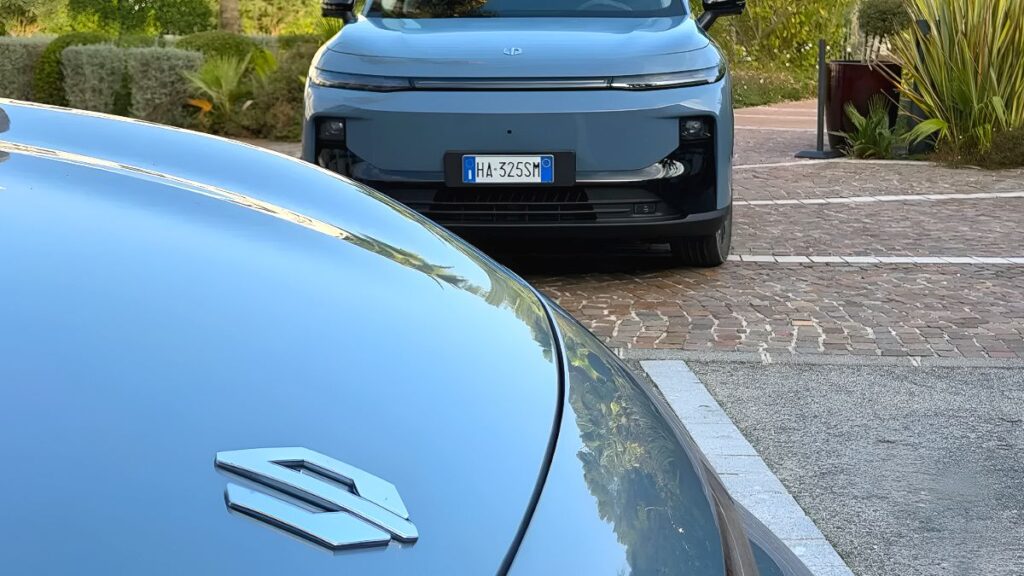
By contrast, Leapmotor and other Chinese EV makers are offering bold configurations: LiDAR sensors and advanced driver-assist systems as standard equipment even on entry-level models priced in the 30 million–to–low-40 million KRW range (about $22,500–$30,000).
For many buyers, the math is simple: with the same budget, a Chinese EV fully equipped with cutting-edge autonomous features can look like a far better value than a midtrim Korean model missing those options.
Chinese Cars Shed ‘Cheap’ Image and Go Full High-Tech
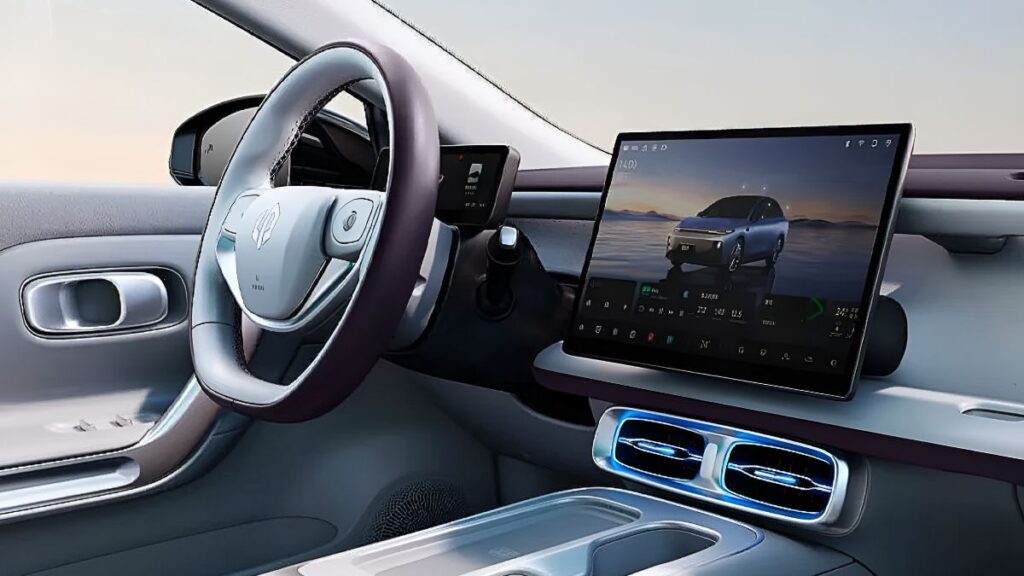
Historically, Korean automakers expanded global share by offering strong value and generous standard comfort features compared with Japanese or European rivals.
Now, Chinese brands are executing that same playbook—often amplified by an aggressive, software-first deployment—that is rapidly encroaching on Korea’s lead.
An industry source observed that Chinese vehicles have evolved from bare-bones entrants into connected smart devices packed with class-leading electrification and software capabilities.
While South Korean manufacturers have leaned on option-driven revenue to protect margins, Chinese automakers are making advanced features standard and, in the process, lifting global consumers’ expectations.
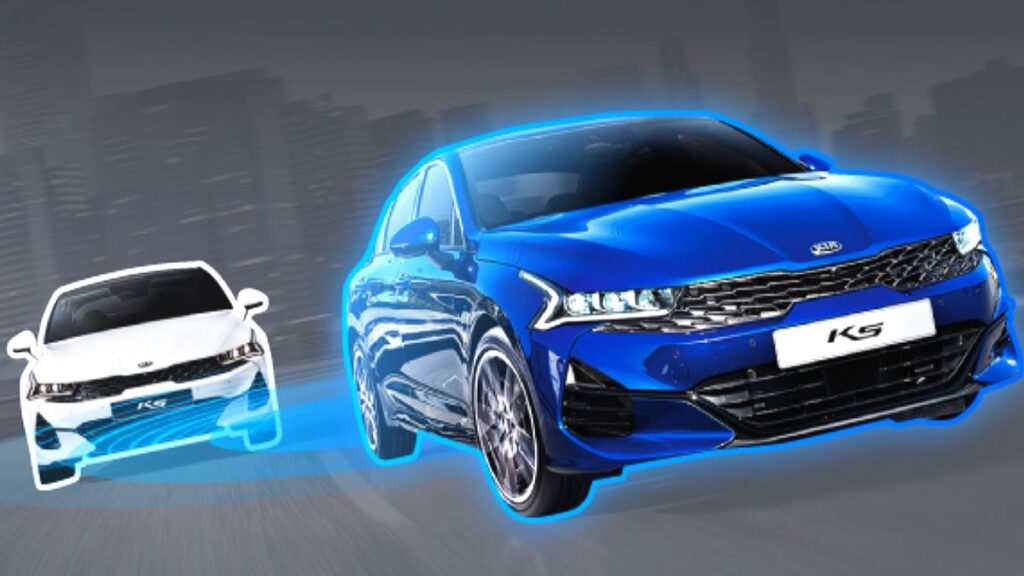
To compete on the global stage, Korean automakers must do more than rely on brand equity. They need to deliver tangible, consumer-facing technology advantages and reestablish clear price competitiveness.