■ Sets regional sales and new-model rollout plans for the year
Raises European EV share target by 10 percentage points
Will supply 'IONIQ 3' from Turkey line
Considering small SUV mass production in India by year-end
To expand output by opening Saudi plant
Domestic GV80 HEV mass production in second half
Raises European EV share target by 10 percentage points
Will supply 'IONIQ 3' from Turkey line
Considering small SUV mass production in India by year-end
To expand output by opening Saudi plant
Domestic GV80 HEV mass production in second half
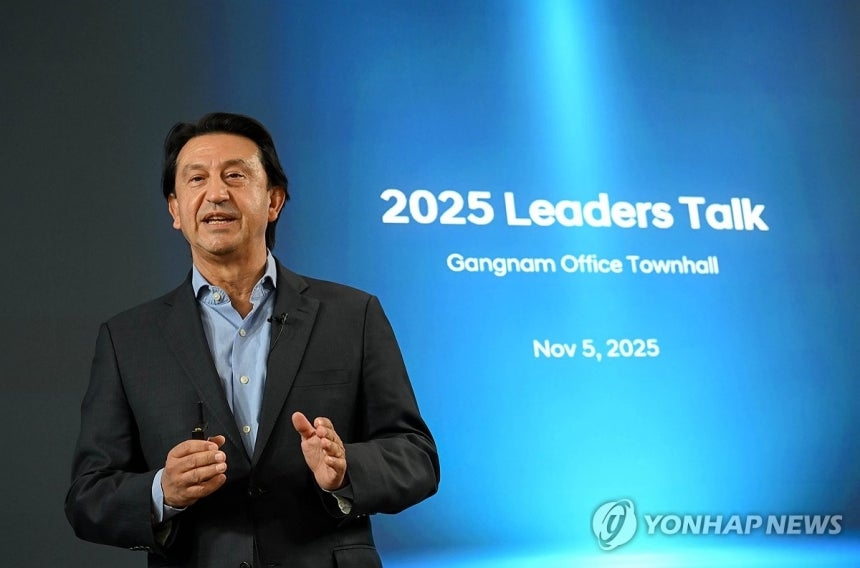
On the 5th, industry sources said Hyundai Motor (005380) internally shared its major regional sales and new-model deployment plans for the year.
Hyundai set its Europe EV sales target at 143,130 units this year, a 27.5% increase from last year. The overall Europe sales target (EVs plus internal-combustion models) remains roughly 603,000 units, similar to a year ago, as the company pushes to raise the EV share of its lineup quickly. EVs are expected to account for about 22% of Hyundai’s Europe sales target—more than a 10-percentage-point increase from last year.
To support higher EV sales in Europe, Hyundai will adjust its local production mix. Specifically, the Turkey plant is scheduled to begin producing the small IONIQ-brand electric model IONIQ 3 as early as the second half of the year. Officials discussed production of roughly 28,000 units, about 15% of the Turkey plant’s total output.
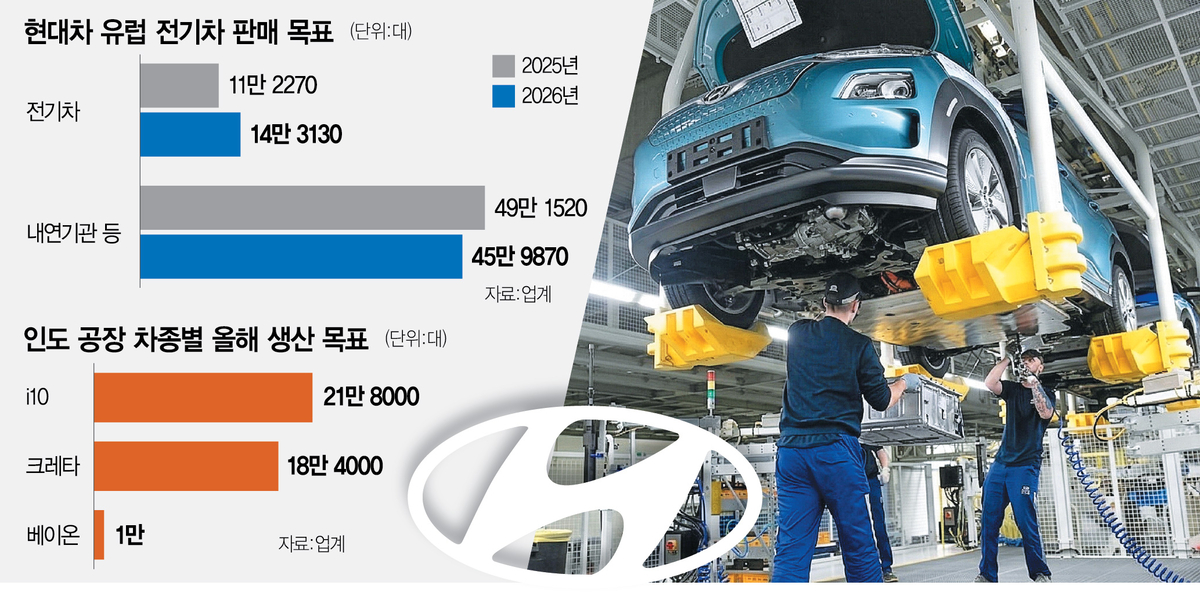
To support growth in India, Hyundai is considering local production of the small SUV Bayon at a domestic plant around year‑end, with planned output near 10,000 units. Hyundai first drew attention in India with the city SUV Creta in 2015, and it is now seeking to broaden its SUV lineup to lift market share.
In the Middle East and Africa, Hyundai plans to increase sales 2.4% year‑on‑year to 324,750 units. By country, Saudi Arabia leads with 145,400 units, followed by South Africa (36,800) and Israel (23,500).
To expand regional production, Hyundai will start operating the CKD assembly plant under construction in Saudi Arabia from year‑end. The Saudi facility is expected to produce the Verna sedan. The company cautioned, however, that fallout from the U.S.–Iran tensions has created unprecedented uncertainty in the Middle East, so plans could face disruptions.
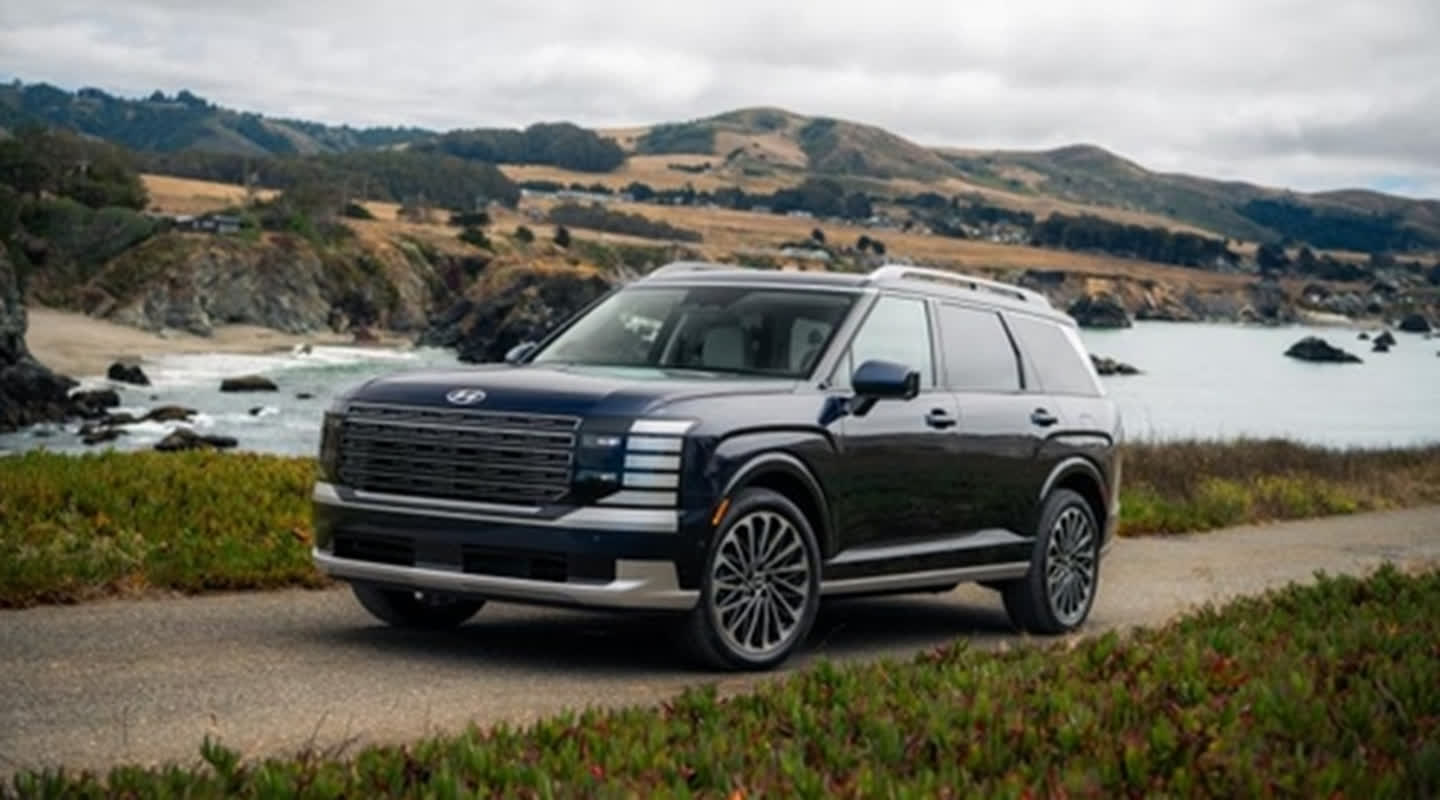
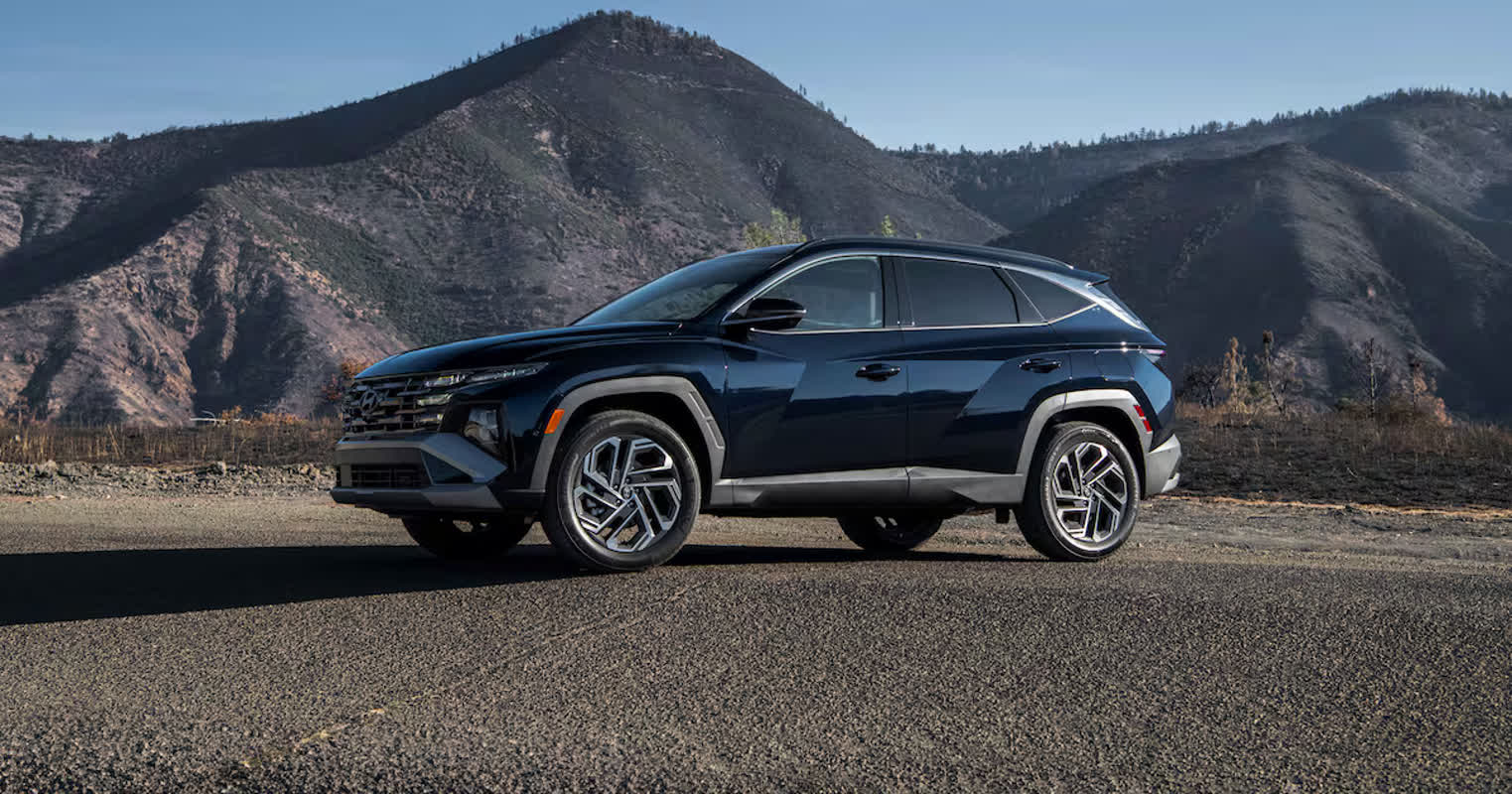
In the United States, Hyundai is considering shifting some Korea-made production to U.S. plants to reduce tariff risk. Company discussions have included moving roughly 200,000 units previously exported from Korea to North America — including the Tucson hybrid and the Palisade — to U.S. factories. As EV demand softens in the U.S. while interest in hybrid models rises, Hyundai is increasing hybrid production.
At home, Hyundai plans to expand its SUV lineup. Genesis’s first hybrid model, the GV80 hybrid, is scheduled to enter production in August, and the new Tucson hybrid is set to begin mass production in September. A mid-cycle facelift of the Santa Fe is also expected to enter production around November.