|
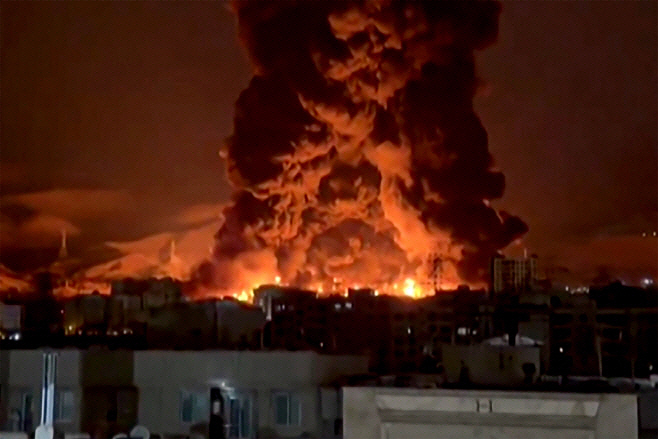
On the 10th (local time), Axios reported senior U.S. officials urged Israel’s political leadership — including IDF Chief of Staff Eyal Zamir — to halt attacks on energy facilities inside Iran. It was the first public U.S. appeal for restraint since the two countries began joint operations against Iran ten days earlier.
An Israeli official told Axios the U.S. also pressed for advance notification of any future plans to strike Iranian oil targets.
Axios said President Trump has kept strikes on Iran’s energy infrastructure in reserve as a “doomsday” option, meant to be used only if Iran deliberately targets Gulf oil facilities first.
Axios identified three strategic calculations behind Washington’s request that Israel stand down.
First, repeated Israeli strikes have left Tehran and other major cities shrouded in toxic smoke and acid rain, causing civilian suffering. U.S. officials warned that such damage could drive even regime opponents to turn away from the United States, eroding support for U.S. policy and potentially prompting Iranians to rally around their government.
Second is the postwar reconstruction calculation. The Trump team prefers to preserve Iran’s oil sector rather than destroy it, with an eye toward using that industry as the engine of a future economic cooperation framework roughly analogous to the Venezuela model. U.S. planners view a functioning oil economy as essential to national rebuilding after any regime change.
Sen. Lindsey Graham, once a vocal backer of military pressure, voiced opposition to strikes on oil infrastructure, arguing a viable oil economy will be critical for Iranians to regain self-sufficiency after a transition.
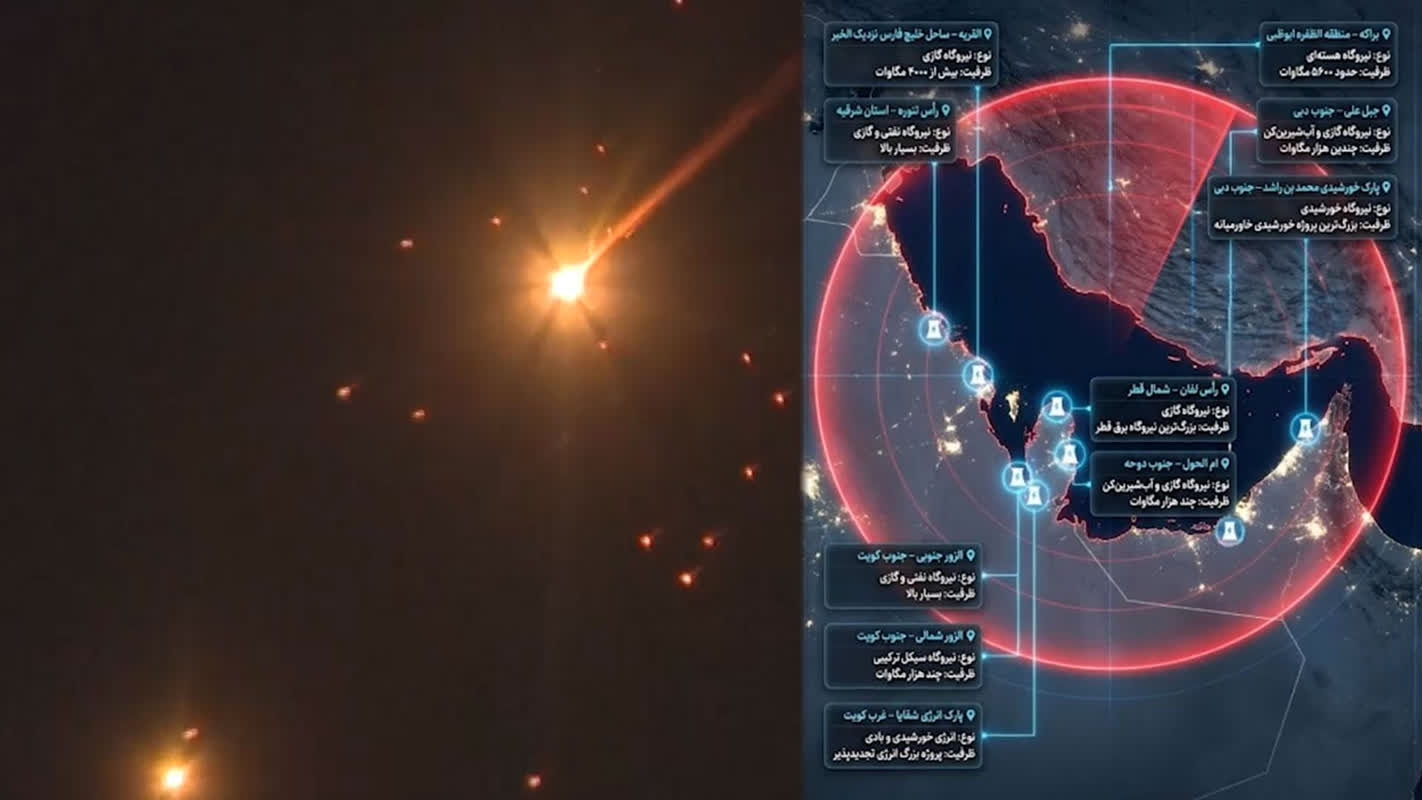
Finally, there’s a pragmatic effort to avoid wider escalation. U.S. officials fear that if Iran retaliates against mainland energy targets by striking Gulf coastal countries’ oil infrastructure, global oil prices could spike and trigger broad economic disruption worldwide.