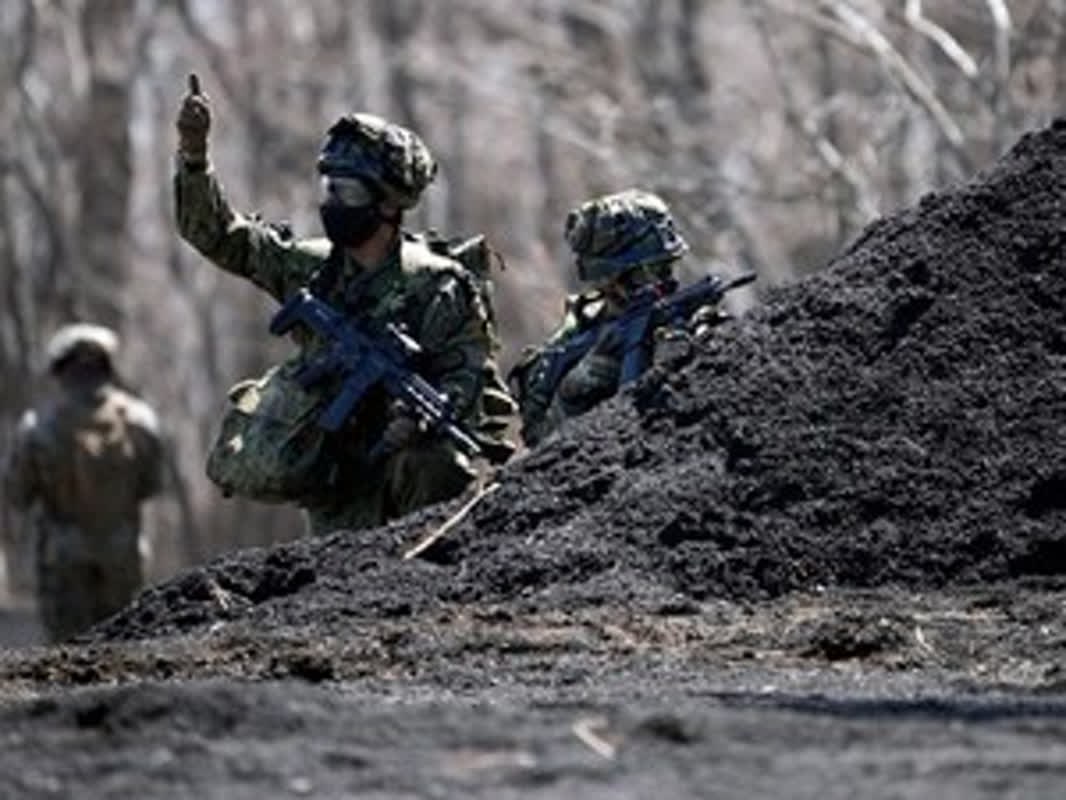
On March 17, the Asahi Shimbun, citing multiple government officials, reported that Tokyo is intensively studying the possibility of sending SDF units to the Strait of Hormuz, which Tehran has effectively sealed off.
Officials and analysts view the review as Tokyo’s response to U.S. appeals for allies — including Japan — to join operations protecting the strait.
On March 14, President Donald Trump urged several countries, naming South Korea, Japan, China, the U.K. and France, to deploy warships to the Strait of Hormuz.
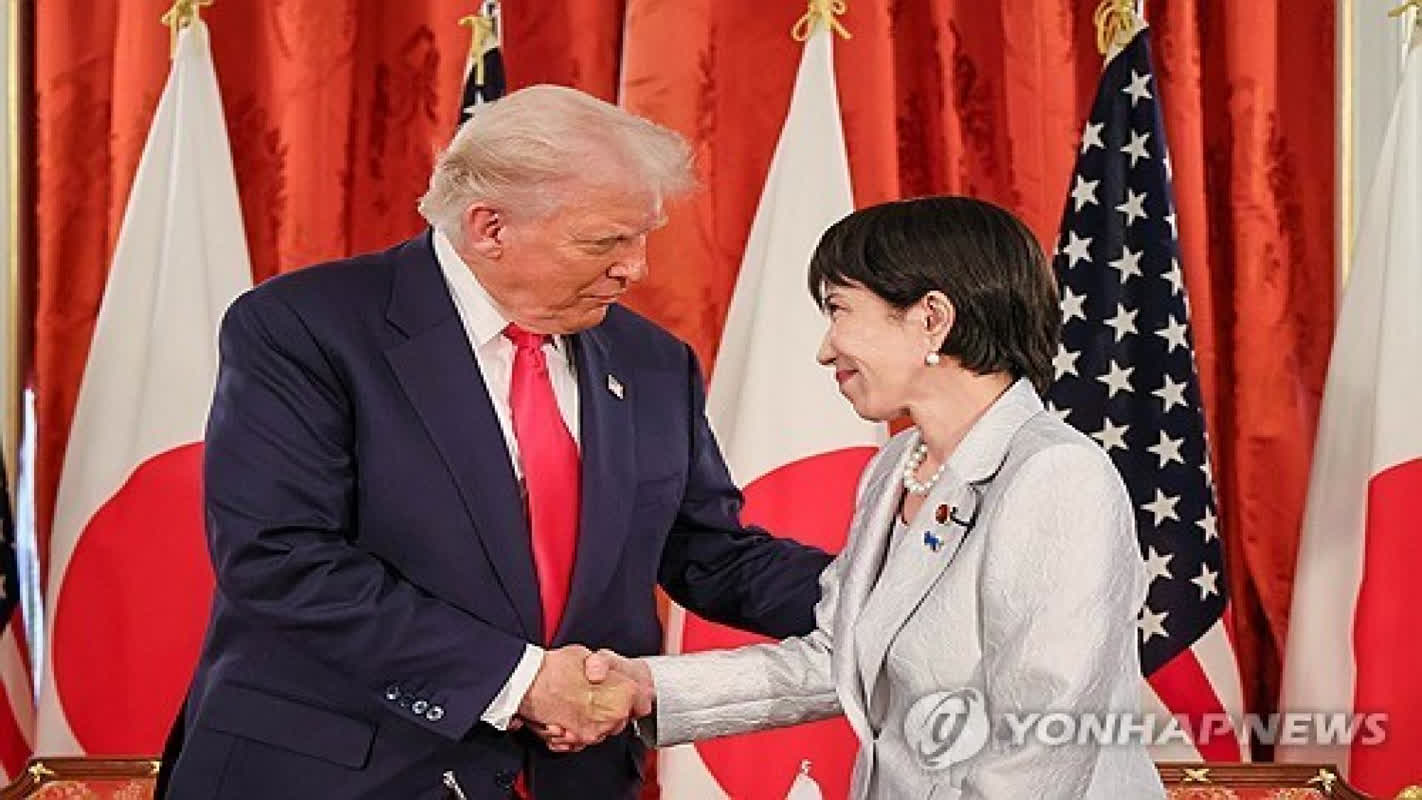
With Prime Minister Sanae Takaichi set to visit Washington on March 19 for talks with President Trump, the Japanese government appears intent on clarifying its basic position ahead of that meeting.
Speaking at an Upper House Budget Committee session, Prime Minister Takaichi said the government is reviewing what measures it can lawfully take regarding a possible SDF deployment to the Middle East.
She added that, should parliamentary approval be required, she would provide a formal briefing to party and faction leaders, indicating that political procedures are being taken into account.
Officially, Tokyo has maintained a cautious line.
At a press conference, Chief Cabinet Secretary Minoru Kihara said, “We have not received any specific request from the U.S.,” and reiterated, “Nothing has been decided about dispatching the Self‑Defense Forces.”
Kihara added that the government will continue full communications with relevant countries, including the United States, and will consider necessary responses in light of evolving conditions.
Observers note a dual approach: publicly asserting that no request has been made while quietly preparing possible deployment scenarios.
Any decision to send SDF personnel would face high legal hurdles. Japanese media say deploying forces to an active combat zone would require reinterpretations of the constitution and the Self‑Defense Forces Law.
The Nihon Keizai Shimbun lays out three main legal and operational options for SDF activity in the Strait of Hormuz.
First, Tokyo could recognize a “threat to national survival” and invoke collective self‑defense. That would permit military actions such as mine‑clearing, though the government does not currently judge the situation to meet that threshold.
Second, the government could categorize the situation as one with “significant impact” and provide rear‑area support to U.S. and allied forces. Under this option, Japan could offer refueling and logistical assistance but would be restricted from direct combat operations.
Third, Tokyo could join multinational efforts under the U.N. Charter as an “international peace response,” but such participation would likely be limited and focused on rear‑area support.
Prime Minister Takaichi said the government is weighing specific measures including mine‑clearing, ship protection, allied support and expanded intelligence collection.
On energy security, she said Tokyo is “actively pursuing alternative suppliers” and pledged to strengthen supply stability.
She also noted that, depending on developments in the Middle East and movements in oil prices, the government could tap contingency budget funds.