North Korea’s short-range ballistic missiles (SRBMs) are shifting from being primarily nuclear delivery platforms to conventional saturation-strike systems. The weapons are evolving quickly into conventional tools designed to target the Seoul metropolitan area and critical U.S. military facilities on the peninsula.
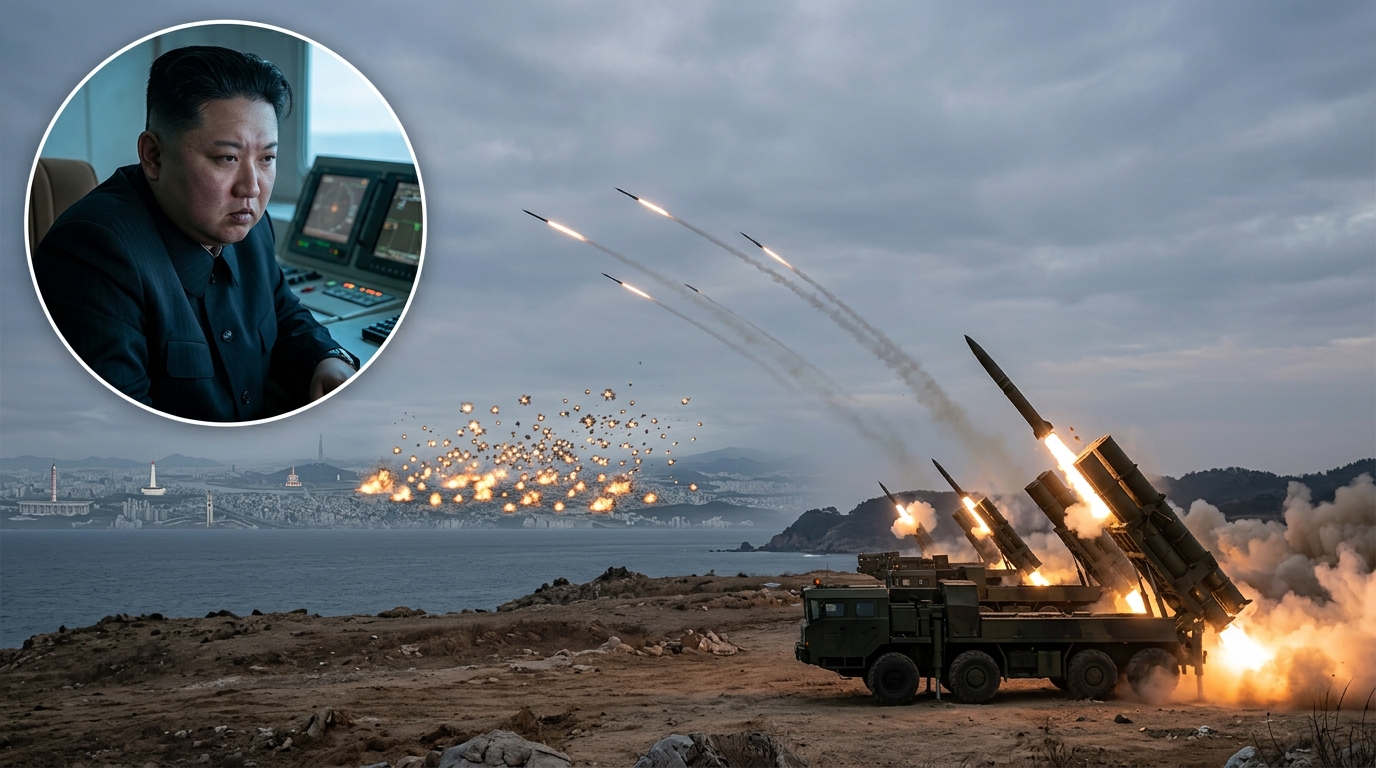
Pyongyang recently fired five upgraded Hwasong-11Ra tactical ballistic missiles toward the East Sea, test-firing cluster warheads and air-dispersed mine submunitions. North Korean claims say the five missiles densely impacted a target zone roughly 136 km (about 84.5 miles) away, covering an area of roughly 12.5–13 hectares (about 31–32 acres).
A leading U.S. outlet that tracks North Korea assessed the trial as proof of the dangerous potential of a conventional saturation-attack doctrine that has been obscured by the regime’s nuclear developments. Analysts say the launch was more than a weapons test; it appeared to be a tactical demonstration aimed at degrading ROK-U.S. alliance response systems in the opening phase of a conflict.
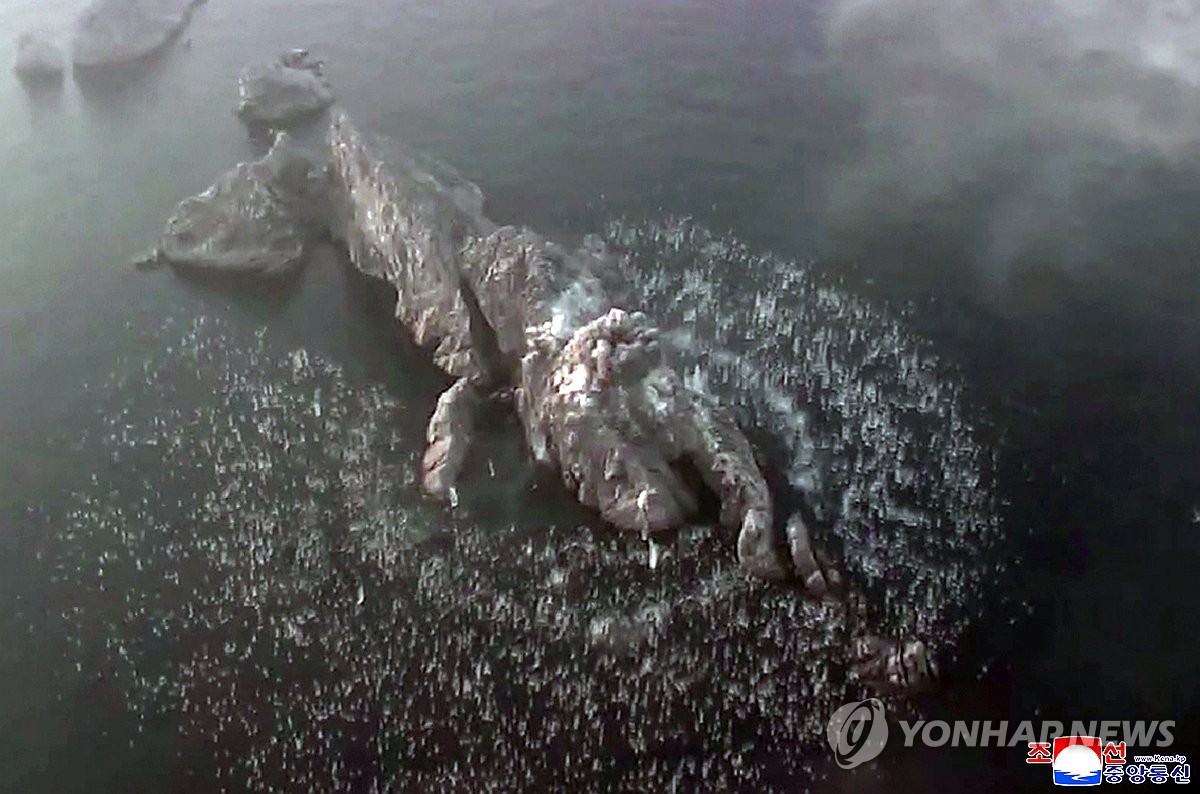
Cluster warheads capable of blanketing the area of 18 soccer fields
Cluster warheads operate differently than single high-explosive warheads. They burst over a target and disperse dozens to hundreds of submunitions across a wide area, posing a blunt, indiscriminate threat to personnel and soft-skinned vehicles.
The 136 km flight range confirmed in this test is strategically consequential. Launched from near the Demilitarized Zone, these missiles could put the entire Seoul metropolitan area and Camp Humphreys in Pyeongtaek, Gyeonggi Province, within range in a single volley. The test provided operational data indicating that North Korea can, using conventional munitions, directly threaten key ROK-U.S. command and operations hubs.
250 launchers — mass fires present the real danger
Pyongyang’s claim that it delivered 250 tactical ballistic-missile launch vehicles to frontline units in 2024 heightens the threat. Based on the number of launch tubes, North Korea appears intent on fielding volleys that could number in the hundreds to more than a thousand simultaneous shots.
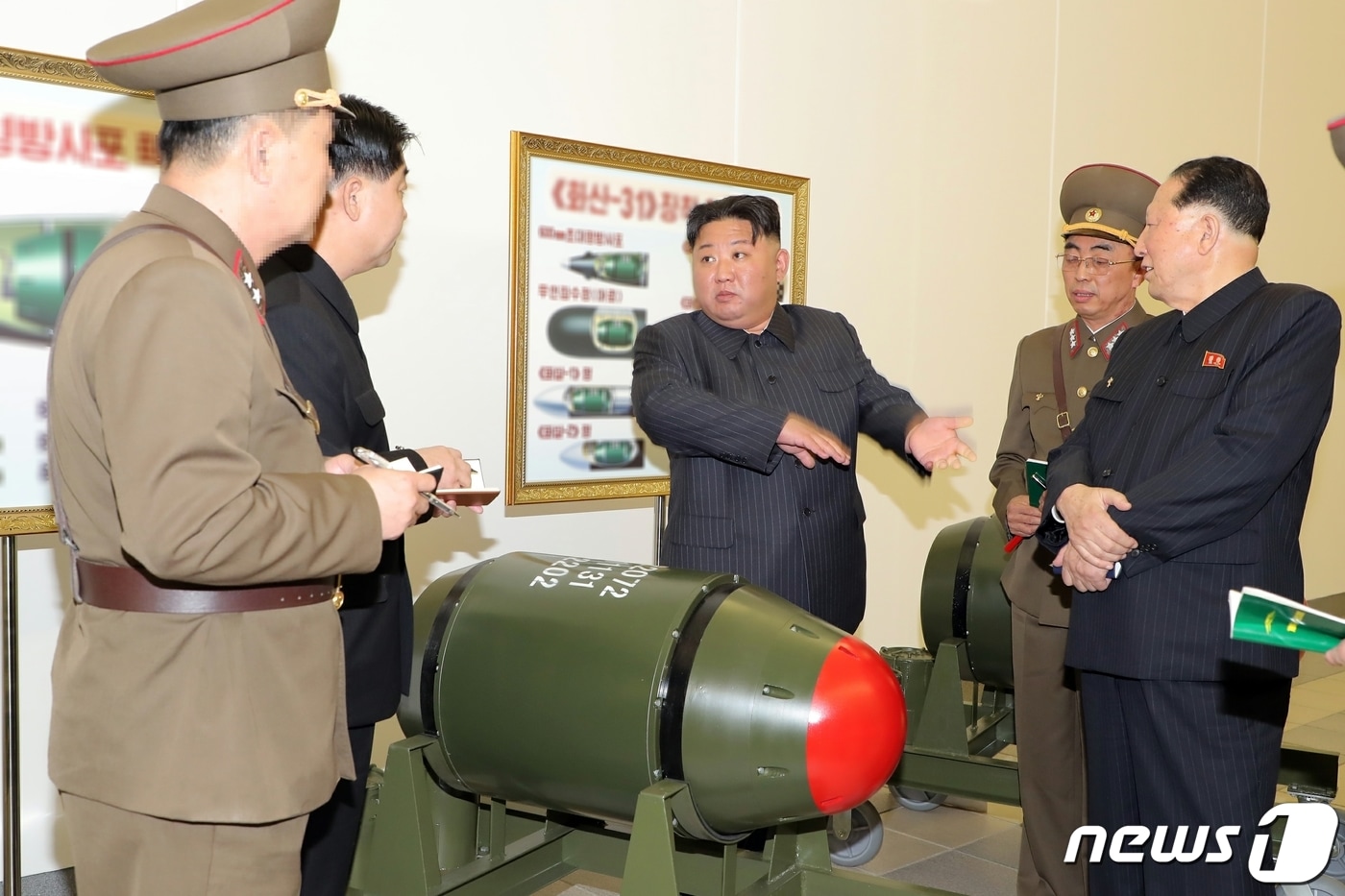
In particular, widespread early use of air-dispersed mine submunitions could temporarily close runways at air bases and choke key supply routes. Until demining is complete, ROK-U.S. air operations and logistics could face severe disruption.
Kill chain vs. saturation fires — the defense race intensifies
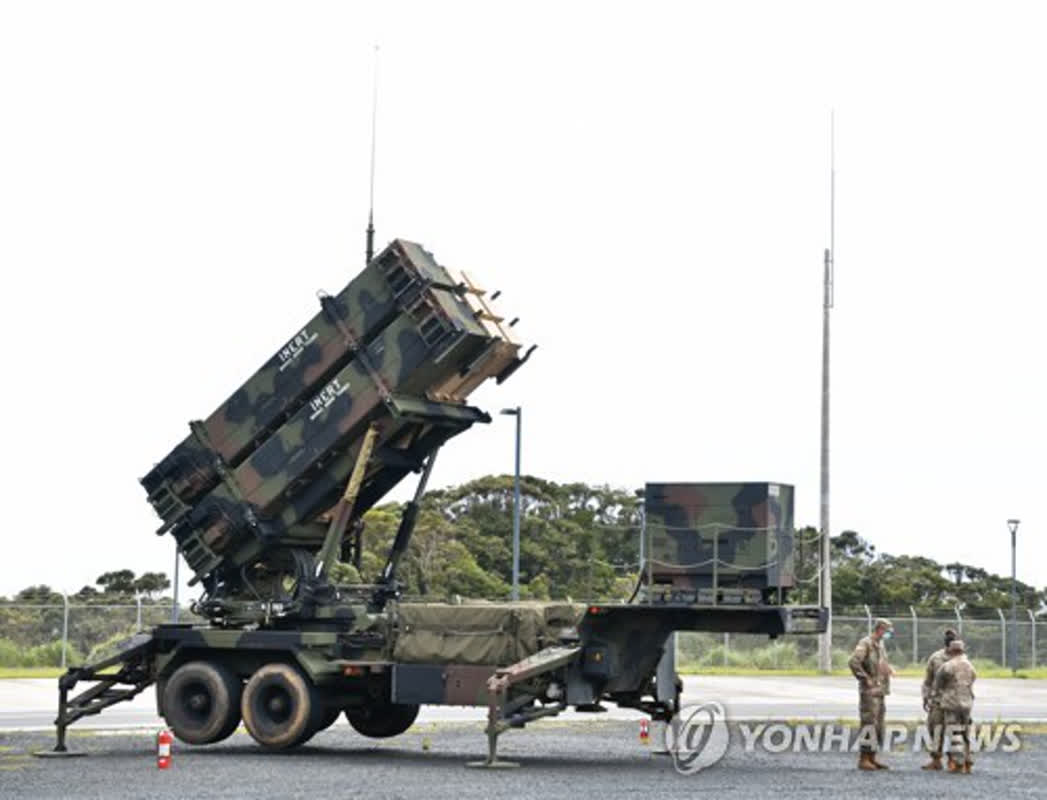
The ROK armed forces and U.S. forces in Korea are not without defenses. A multilayered missile-defense network built around Patriot (PAC-3) and Cheongung-II (M-SAM) is in place, and preemptive strike capabilities tied to tactical surface-to-surface guided munitions (KTSSM) support a kill-chain approach to neutralize launchers before they fire.
Still, the key vulnerability is volume. If a massed barrage exceeds interceptor capacity, some missiles are likely to get through. That prospect makes North Korea’s SRBMs with cluster warheads a compound threat: they challenge both nuclear deterrence dynamics and conventional defensive systems. How rapidly and accurately the ROK-U.S. kill chain can suppress launch points before salvos are fired will be the decisive factor in the next phase of the defense competition.
Trending
- “North Korean squid is being passed off as Chinese and sold in supermarkets…Dandong approves a 2,000-ton facility, sanctions network 'collapses'”
- “Radar is deployed to the Middle East and munitions are staged for movement…THAAD is a shell, peninsula air defense is 'in crisis'”
- “A South Korean four-star general will issue orders to a U.S. four-star general…roadmap to transfer wartime operational control by 2029 'formalized'”