● Bipartisan lawmakers introduce bill to ban Chinese-made connected cars and vehicles with China-origin software
● Proposal aims to bar U.S. market access for vehicles with advanced communications features or designs originating in China
● Automakers and suppliers, including Hyundai, Toyota and Volkswagen, press for continued exclusion of Chinese models
● Filed just before President Trump's trip to China, the measure could become a key lever in future U.S.-China trade negotiations
U.S. moves to tighten entry ban on Chinese cars, citing national security
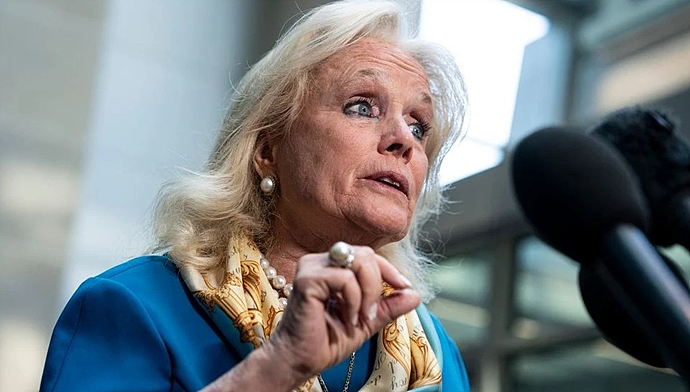
Congress is preparing a bill ahead of President Donald Trump's visit to China that would further restrict Chinese automakers from entering the U.S. market. Reps. John Moolenaar (R‑Mich.) and Debbie Dingell (D‑Mich.) are expected to co‑sponsor the legislation, which would prohibit vehicles designed in China or equipped with advanced communications systems or China‑origin software.
In January, the U.S. government effectively barred Chinese firms from selling passenger cars in the United States, citing the potential for sensitive owner data collection and associated national security risks. The bill seeks to codify those restrictions into law and to block Chinese auto industry penetration at its source.
Industry pushes to keep Chinese cars out of U.S. market
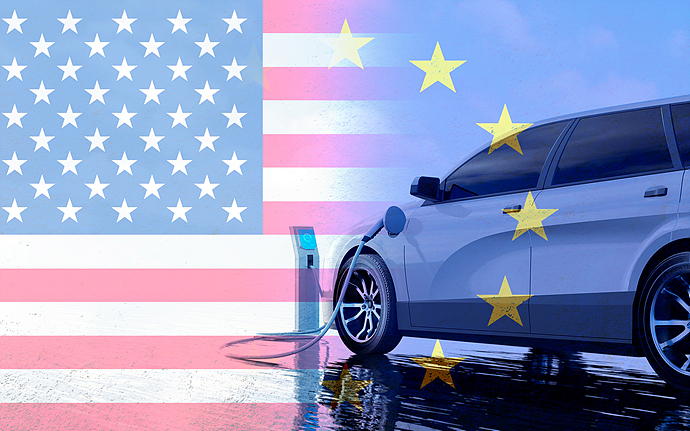
In March, industry groups and parts suppliers representing the U.S. Big Three, Germany's Volkswagen, South Korea's Hyundai and Japan's Toyota warned of the risks posed by Chinese automakers. They said China's push to dominate global vehicle manufacturing is a serious concern and urged the U.S. government to keep Chinese manufacturers from gaining market access.
As Chinese automakers grow global share through aggressive pricing and electrification, the industry wants the U.S. market to remain tightly protected on national security and industrial‑policy grounds. Executives argue that Chinese entry could undermine the domestic auto ecosystem and threaten data sovereignty.
Potential clash between White House stance and congressional bill
In January, President Trump signaled he might accept Chinese automakers that produce vehicles directly in the United States, a stance aimed at attracting jobs and investment. The bill in Congress, however, targets the origin of design and software — a different approach than the administration's stated preference.
Filed on the eve of President Trump's trip to China, the bill serves as a clear warning to Beijing and could become a bargaining chip in future talks. The dispute over technology security and market access between the U.S. and China is likely to intensify now that lawmakers have moved forward with the measure.
By Seon-woong Won (Global Auto News)
#USCarMarket #ChineseCars #SecurityRegulation #ConnectedCar #Hyundai #Trump #USChinaTrade #GlobalAutoNews #AutoPolicy