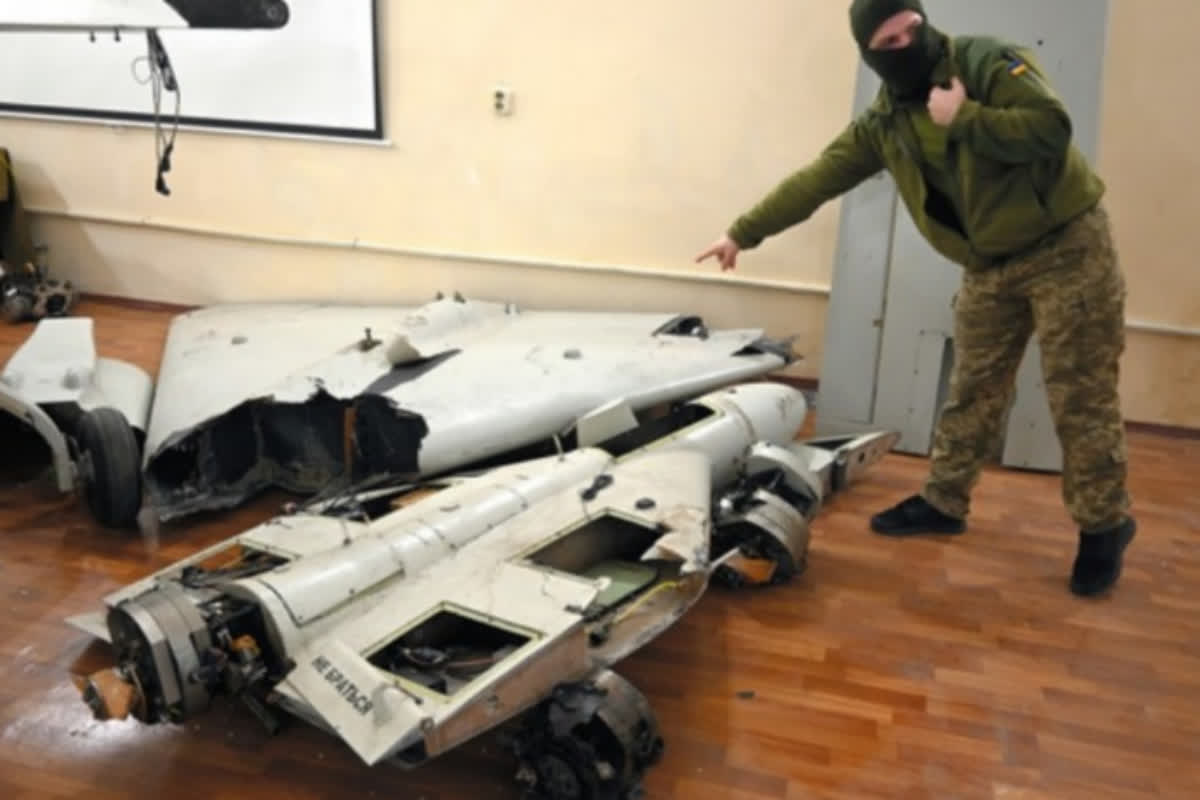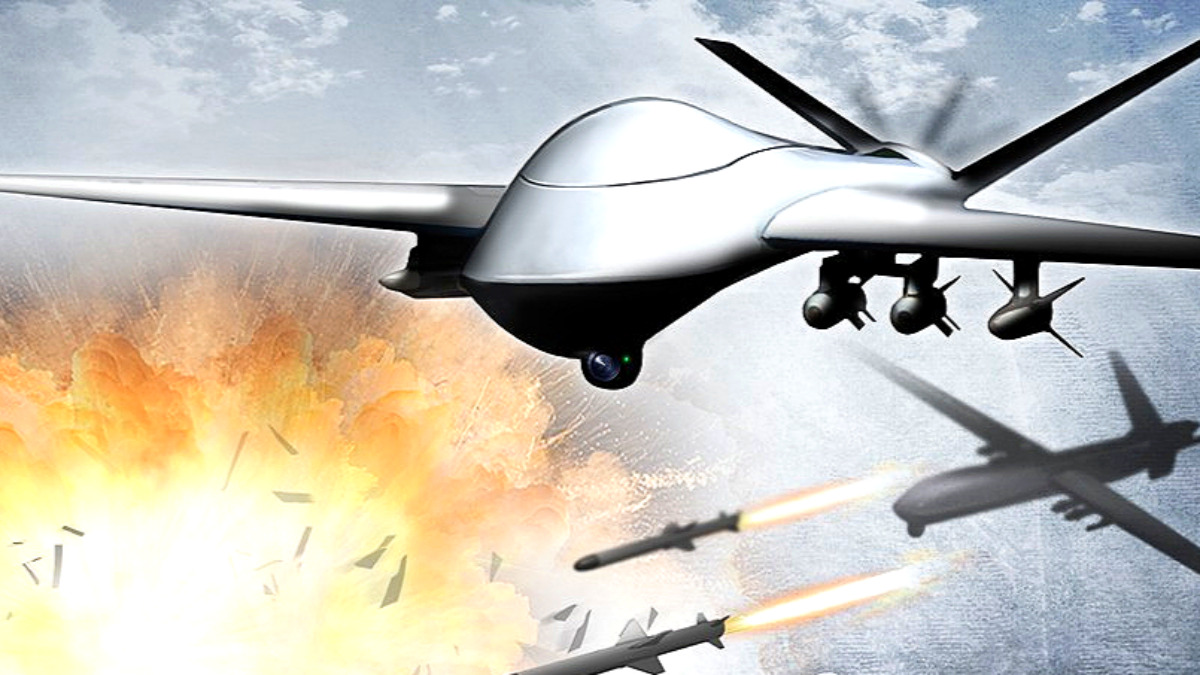
The war in Ukraine has rewritten military doctrine. High-cost tanks, artillery and even air-defense systems have shown themselves vulnerable to FPV (first-person-view) kamikaze drones that can be produced for only a few million KRW apiece (approximately a few thousand USD).
Drones are no longer niche reconnaissance tools. On today’s battlefields they function as disposable munitions — often produced and expended in the tens of thousands.
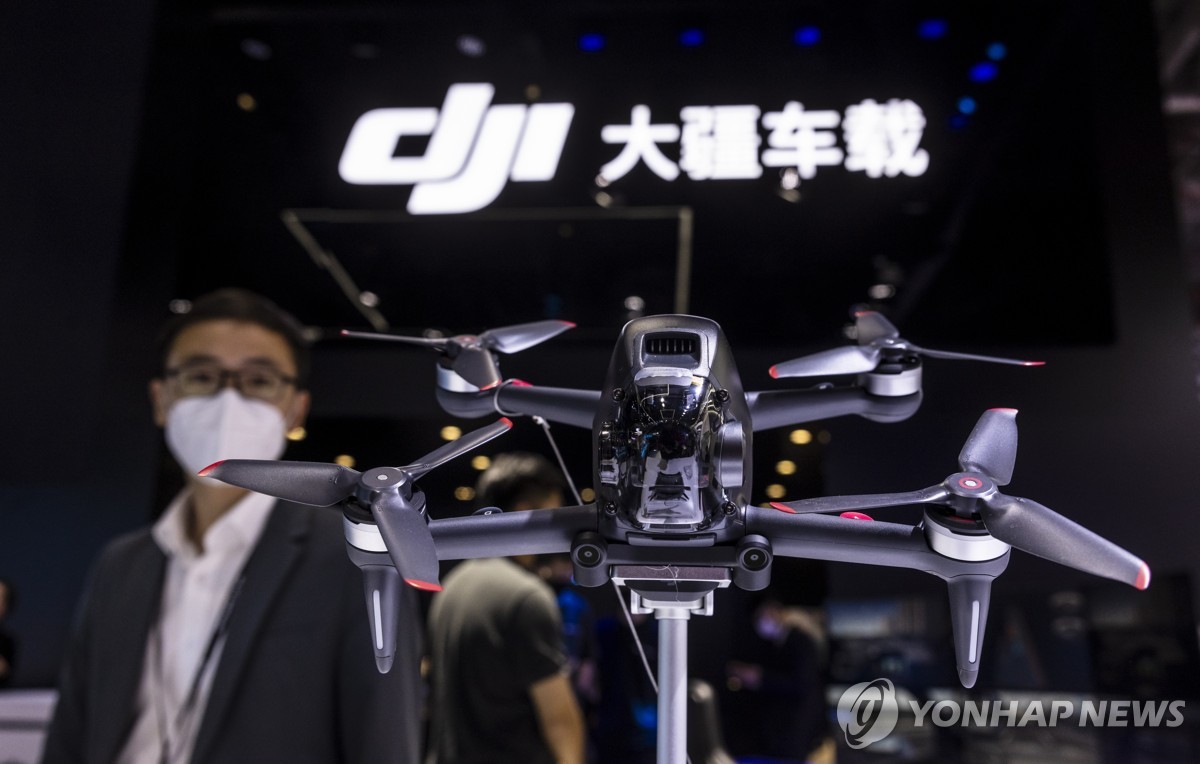
Where does South Korea fit in this new reality? Among enthusiasts, you’ll hear pessimism that China’s DJI dominates the sector and that Korea lacks equivalent technology. The defense industry on the ground tells a more nuanced story.
South Korea can build military drones and has a track record of military deliveries. The country dominates at the large, high-end end of the market, while the low-cost, mass-produced FPV ecosystem is only now being pursued aggressively by startups.
South Korea’s drone defense strengths fall into three distinct areas.
High-end system integration: Korean Air and KAI run the field
Ironically, Korea’s biggest strength lies in the hardest-to-enter market: medium-to-large reconnaissance unmanned aircraft. Korean Air, best known for commercial aviation, has emerged as a lead systems integrator for military UAVs.
It has already delivered the first production strategic medium-altitude, long-endurance UAV — a platform about 13 meters long with a 26-meter wingspan, designed to operate above 10 km for reconnaissance — and plans to hand it over to the Air Force in early 2027.
This is a platform in the class of the U.S. MQ-9 Reaper. KAI (Korea Aerospace Industries) also holds a strong position developing corps-level UAVs, manned-unmanned teaming with the KF-21 and FA-50, and preliminary work on stealth unmanned combat aircraft.
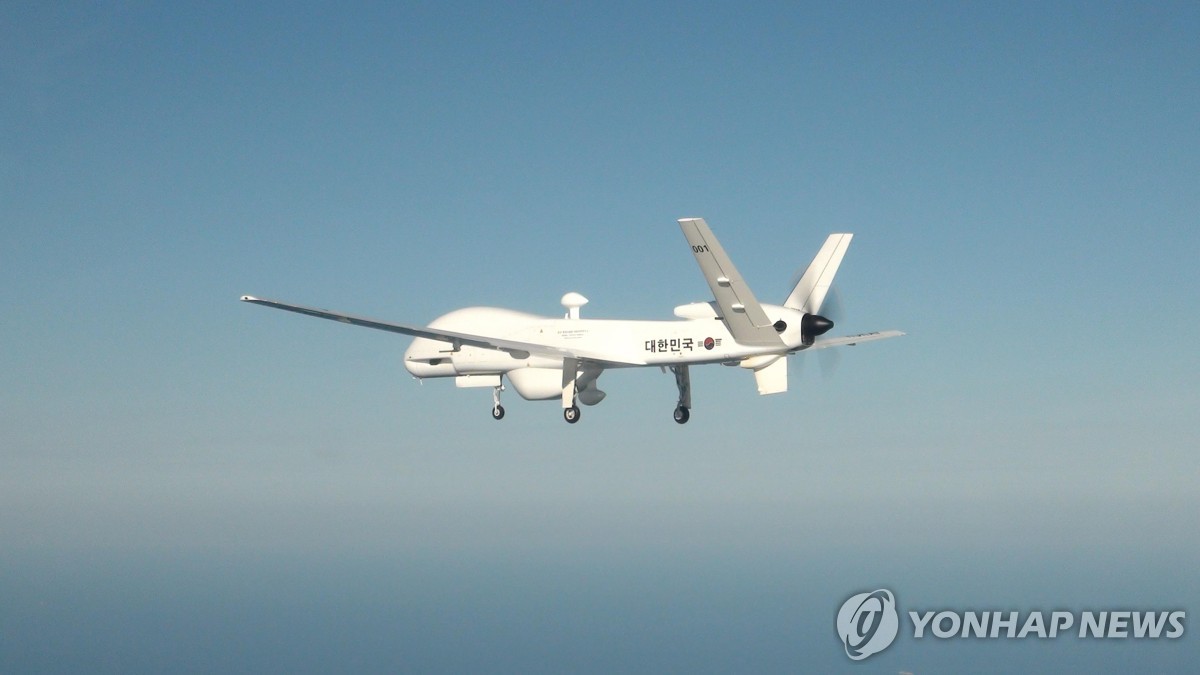
Their advantage is aircraft-grade systems integration rather than consumer-grade drone assembly. These platforms are national strategic assets, not the cheap throwaway drones soldiers pull from backpacks.
Missiles meet drones: LIG Nex1 and Poongsan fuse capabilities
The second category focuses on turning drones into “flying smart missiles” rather than reworking airframes.
LIG Nex1, respected for missile and radar systems, is integrating guided munitions (L-MDM) into drones and advancing AI-driven control for kamikaze swarms.
Poongsan, a traditional munitions manufacturer, is combining grenades and shaped-charge warheads with airframes to field a lineup of combat drones (the MCD series).
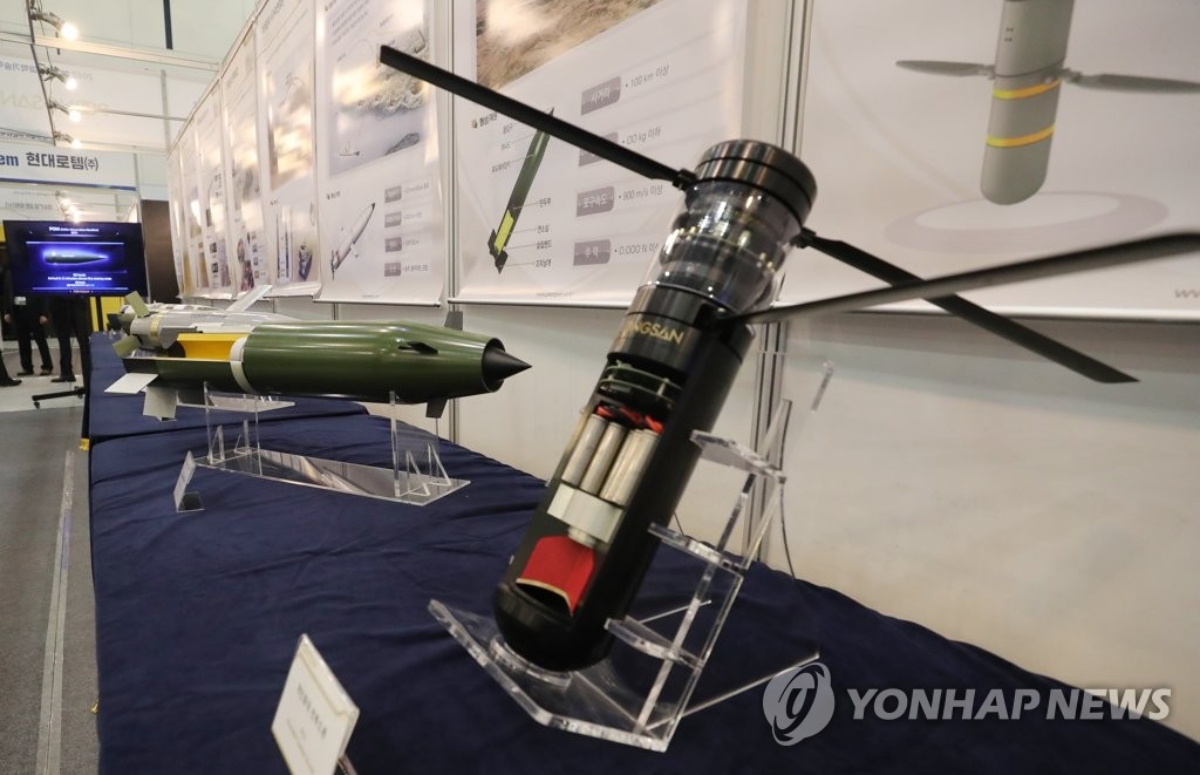
In short, companies that know explosives best are turning them into airborne munitions — effectively creating “flying mines” that amplify blast and lethality.
Anti-drone and disposable battlefield drones: Hanwha and startups push back
The low-cost, Ukraine-style drone war favors a different set of players.
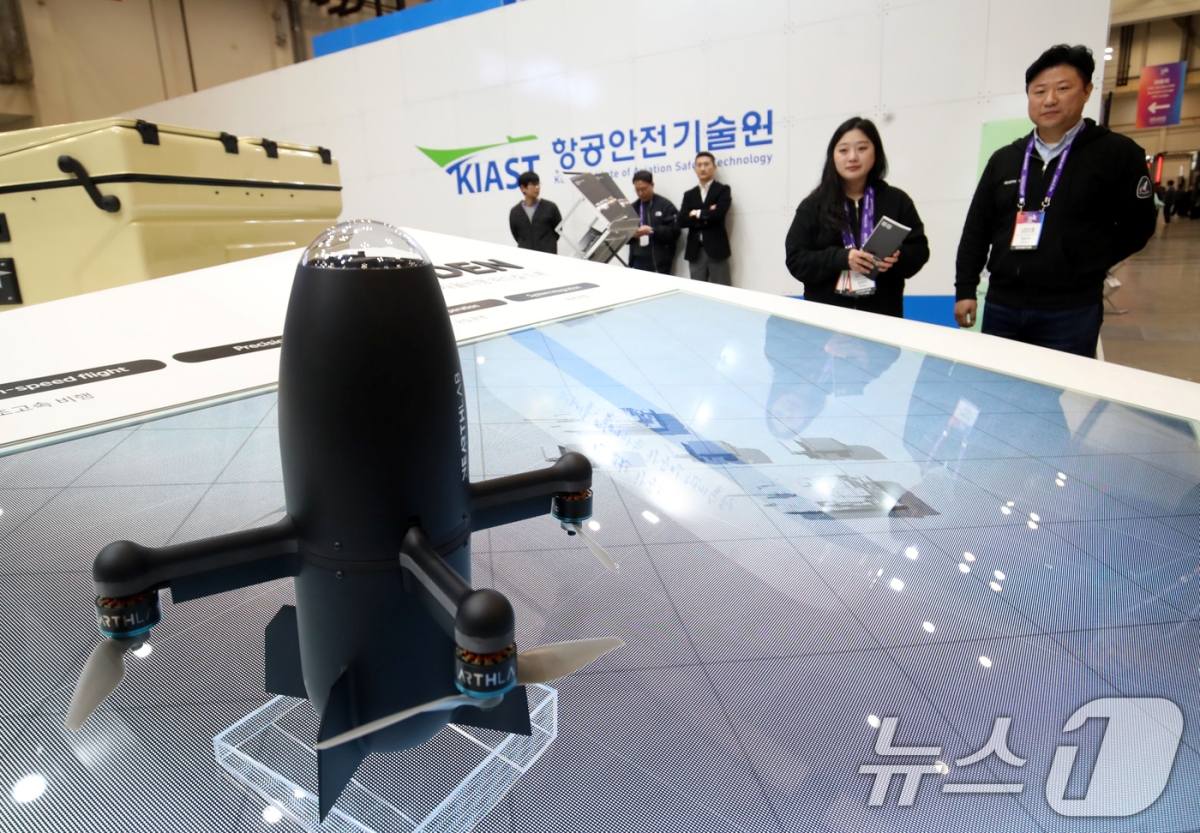
Startup NearsLab shook the market by exporting its high-speed interceptor, KAiDEN, to the Middle East. Priced at about 20 million KRW (approximately $15,000), KAiDEN can reach roughly 350 km/h (about 217 mph) and neutralizes hostile drones by colliding with them.
It addresses the battlefield cost-exchange problem — where shooting small drones down with air-defense missiles that cost hundreds of millions of KRW each (approximately hundreds of thousands of USD) is economically unsustainable.
Pavlo Air has drawn attention for loitering munitions and swarm-control capabilities, earning investment from Korean Air.
Hanwha Aerospace has collaborated on a laser air-defense weapon that reportedly achieves an approximate cost-per-shot of 2,000 KRW (approximately $1.50) — a potential low-cost countermeasure against drone swarms.
Overall, South Korea’s drone industry is bifurcated. It already competes at a global level in high-end sensors, lasers and strategic unmanned systems.
The remaining challenge is straightforward: how quickly can firms such as NearsLab, Pavlo Air and NextAerospace scale a parts ecosystem to mass-produce battlefield drones cheaply and at the tens-of-thousands scale — the kind of industrial depth Ukraine, Turkey’s Baykar and China’s DJI have achieved?