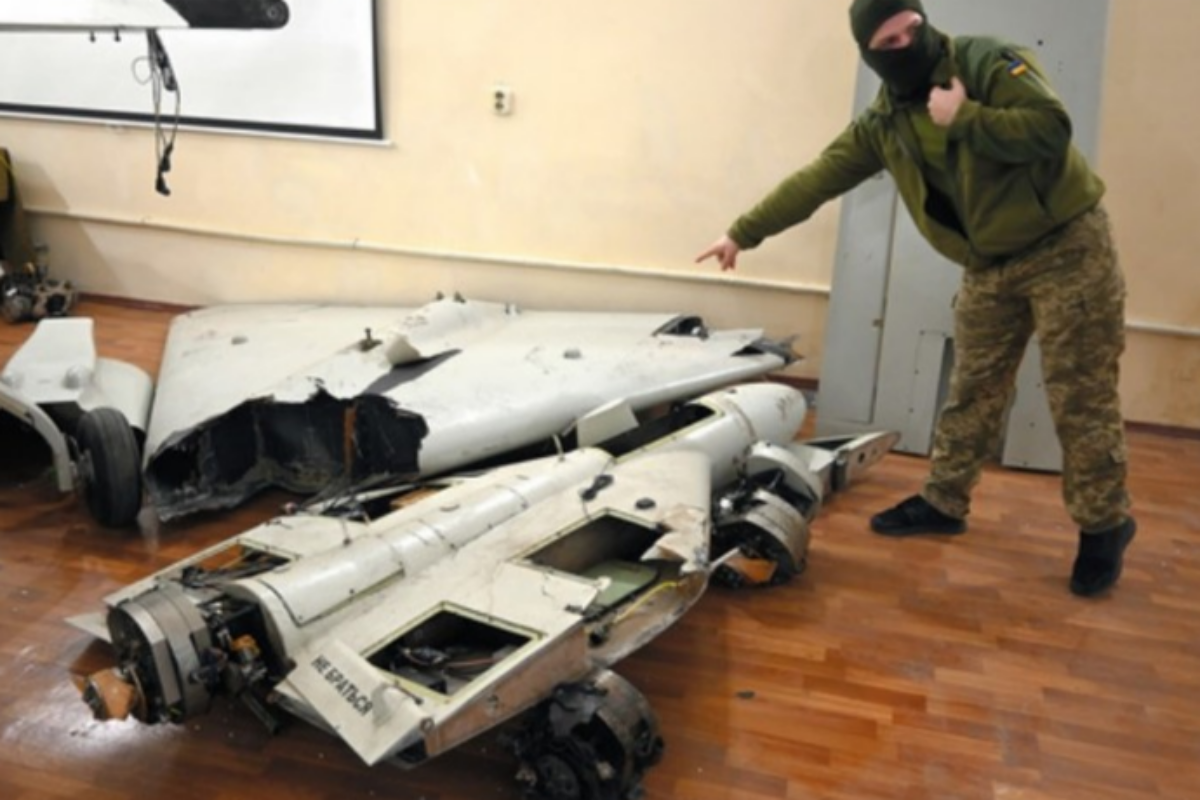
U.S. kamikaze drone modeled on Iran lands in Iraq largely intact
On a Middle East battlefield entangled with U.S., Israeli and Iranian operations, a U.S.-built suicide drone produced an ironic scene. A low-cost U.S. loitering munition called LUCAS—reverse-engineered from Iran’s Shahed-136—crash-landed in farmland in western Iraq nearly intact and was recovered by local militias and residents. Its warhead did not detonate, and the airframe and internal wiring showed little damage, leaving what amounted to an almost complete sample.
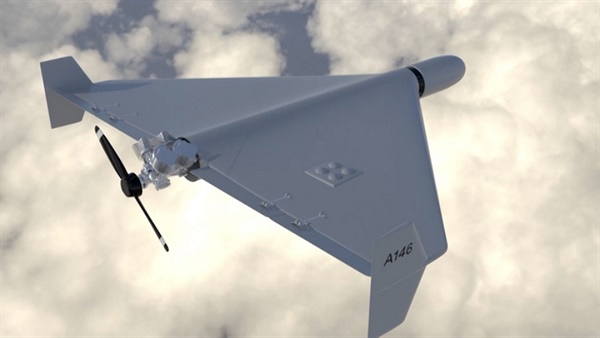
How LUCAS—copied from Iran’s Shahed—was captured
LUCAS was developed after U.S. analysts disassembled and studied Iran’s Shahed‑136, a loitering munition that has notable operational history in Ukraine and the Middle East. U.S. Central Command acknowledged using LUCAS during airstrikes dubbed “Epic Fury,” describing it as a low-cost, Shahed-inspired weapon for retaliatory strikes. According to officials, the drone launched from a base near Jordan, deviated from its planned route and crashed in Iraqi territory. Local videos and photos were the first to reveal the drone’s exterior and internal layout.
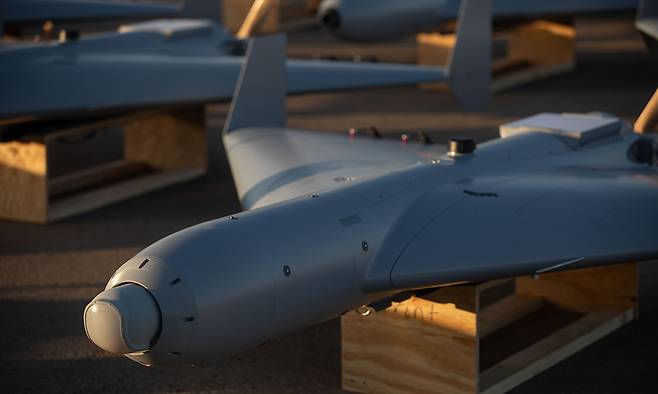
$30,000‑range, stuffed with commercial parts—replication risk grows
LUCAS’s defining quality is not sophistication but design simplicity. U.S. reporting and military blogs estimate its unit cost at roughly $30,000–$35,000 and describe heavy use of commercial off‑the‑shelf components—communications modules, GPS units and generic power systems. For the U.S., deploying large numbers of inexpensive drones offers a cheaper alternative to high‑end missiles like Tomahawks: a campaign of attrition by volume. But an intact example in the hands of Iraqi militias or Iranian technicians makes replication feasible; the same parts are widely available online and on civilian markets, lowering the technical barrier to producing similar munitions.
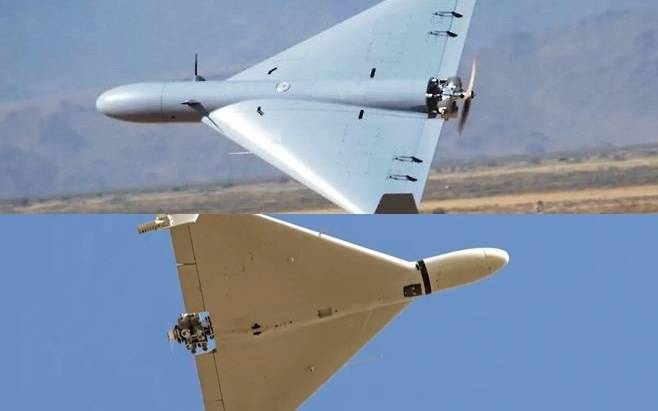
Why the U.S. military isn’t overly alarmed by a 'secrets leak'
U.S. officials do not regard the recovery as a catastrophic compromise. Analysts classify LUCAS as a “disposable” weapon system—designed and fielded with anticipated losses in mind. Core capabilities such as advanced encryption, high‑end sensors or proprietary guidance software were not built into this class of drone. Its communications and navigation systems rely on widely known civilian architectures, so the military value of any reverse engineering is limited. The Pentagon’s internal assessment is that copies would not directly undermine broader U.S. strategic platforms or network‑centric warfare capabilities.
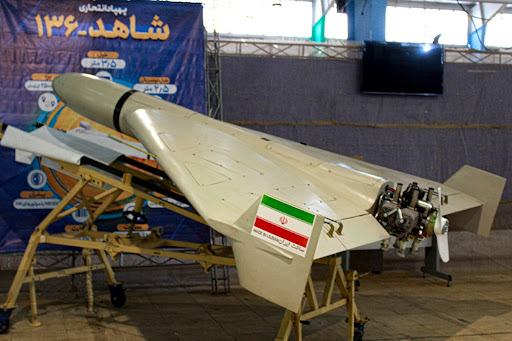
“We can make it too” — a message that could boomerang across the region
The strategic worry is less about blueprints and more about tactics and speed of spread. Iran’s Shahed‑136 has already been adapted into weapons like Russia’s Geran‑2 and Houthi drones in Yemen, symbolizing a low‑cost, high‑impact model of warfare. If U.S. variants such as LUCAS are fielded in combat and intact examples reach militias, proliferation could cascade—from Shahed to U.S.‑style LUCAS clones to militia‑built imitations. Should armed groups across the region manufacture cheap, LUCAS‑inspired loitering munitions and begin striking airports, energy infrastructure and urban centers, civilians and fragile states would suffer the most.
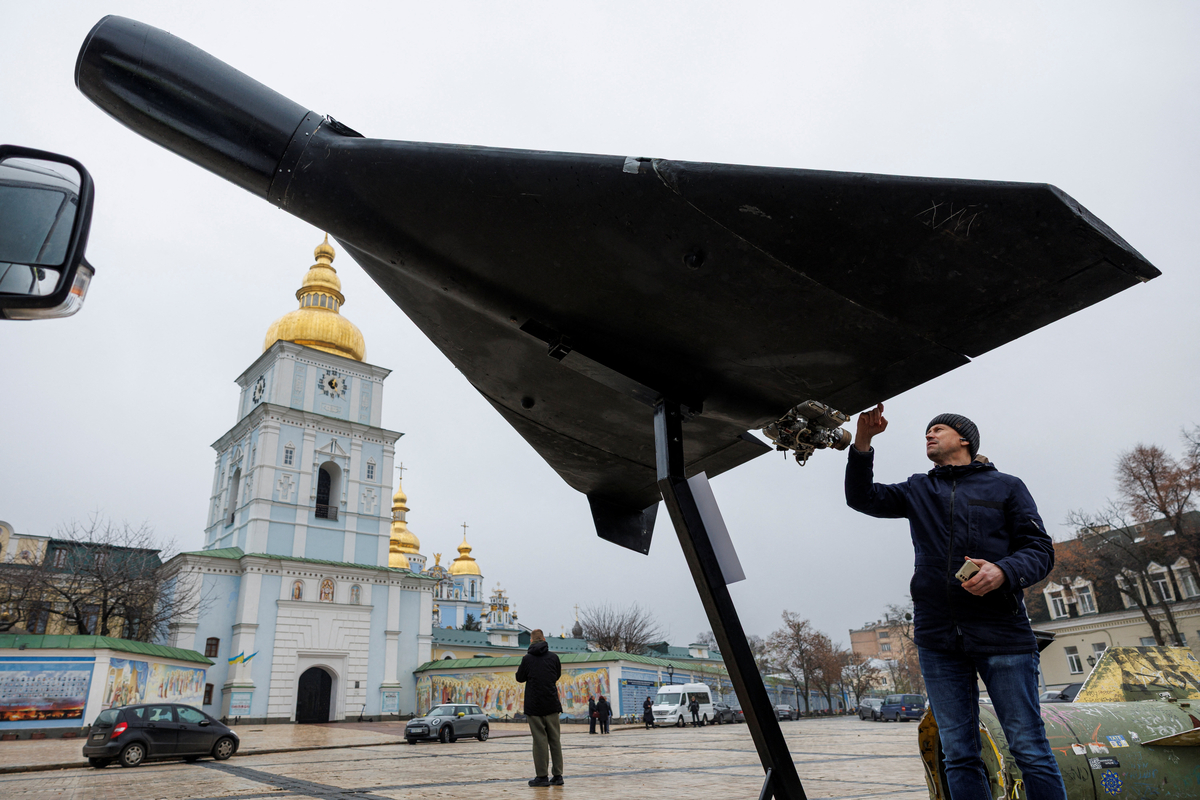
In the low‑cost unmanned era, 'cost‑effectiveness' may outpace high tech
South Korean outlets such as Dong-A Ilbo and Kyunghyang characterize the conflict as illustrating a new “low‑cost unmanned” reality. Iran is launching Shahed loitering munitions that cost in the tens of millions of KRW (roughly tens of thousands of USD) each at scale, while the U.S. is responding not with hundreds of millions of KRW (about $75,000) air‑defense missiles but with tens of millions of KRW (approximately $30,000) LUCAS drones. In this contest, the decisive factor isn’t the technical leak of one airframe; it’s which side can design, produce and field unmanned systems faster, cheaper and more effectively. Analysts argue the LUCAS debris discovered in Iraq is less a headline‑grabbing “secrets leak” than a symbolic case showing how cheap unmanned systems are reshaping battlefields and regional security dynamics.