「Guest: Kim Yeol-soo, Director of Security Strategy, Korea Institute for Military Affairs」
[Anchor]
The U.S. military recovered the missing F‑15 pilot two days after the aircraft went down. Iran, however, says it blocked the rescue attempt.
With President Trump’s deadline approaching, we examine how the situation might unfold.
Welcome, Kim Yeol‑soo, director of security strategy at the Korea Institute for Military Affairs.
[Question 1] U.S. officials say they recovered the downed fighter’s pilot within 36 hours. President Trump described it as “the boldest operation in history.” Reports identify SEAL Team 6—the Navy’s most elite unit that led the 2011 operation against Osama bin Laden—as the mission’s core. Is that assessment accurate?
[Question 2] Tehran offers a starkly different version. Iran says the Islamic Revolutionary Guard Corps, regular forces and local militias coordinated to repel the U.S. recovery effort. It released photos and videos and claims to have shot down U.S. aircraft involved in the mission. How credible are those claims?
[Question 3] Some reporting says U.S. forces deliberately destroyed burned wreckage. The claim is that two transports moving special operators and the rescued pilot became isolated, and were disabled or destroyed to keep them from falling into Iranian hands. Can you confirm that account?
[Question 4] U.S. outlets have published detailed timelines: the pilot, hiding with only a sidearm, was reached after U.S. strikes to keep Iranian forces at a distance, and a firefight reportedly ensued between U.S. special operators and Iranian troops. Could this episode presage broader ground combat?
[Question 5] Had the officer been captured, how might the strategic picture have shifted? From Washington’s perspective, recovering him likely prevented Tehran from gaining a significant bargaining chip, correct?
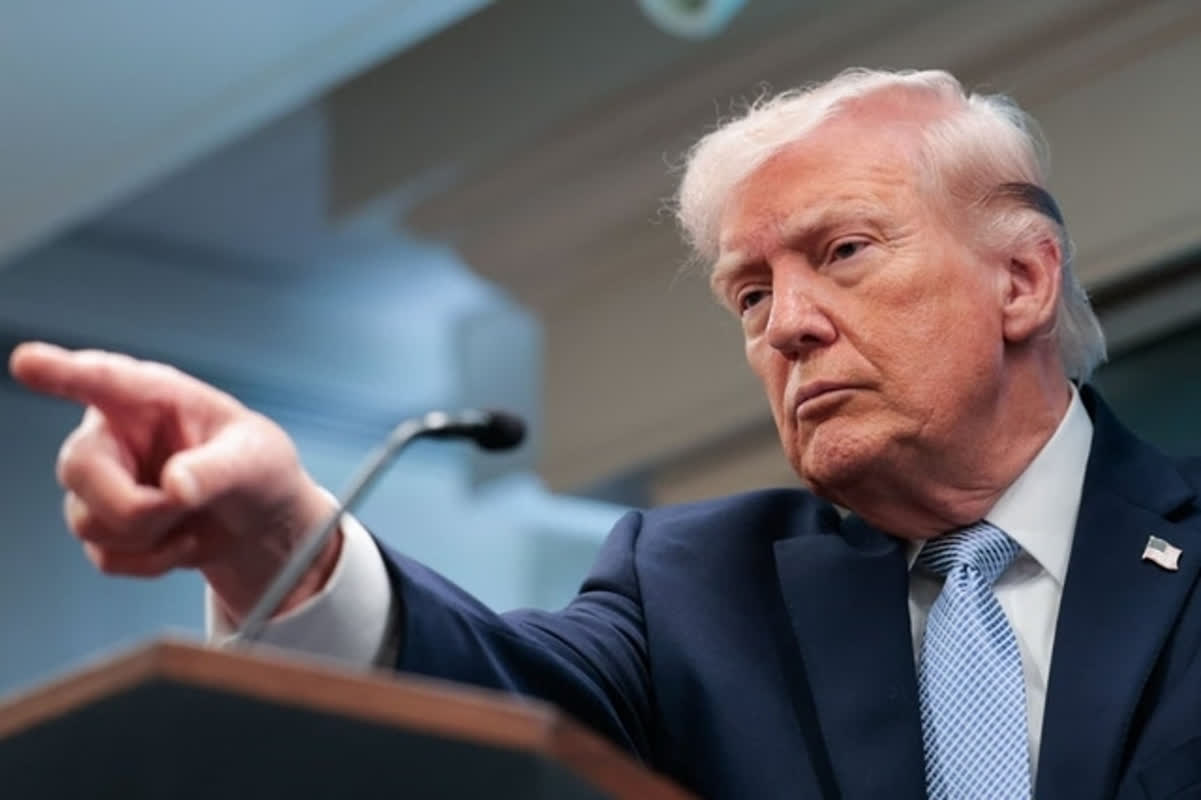
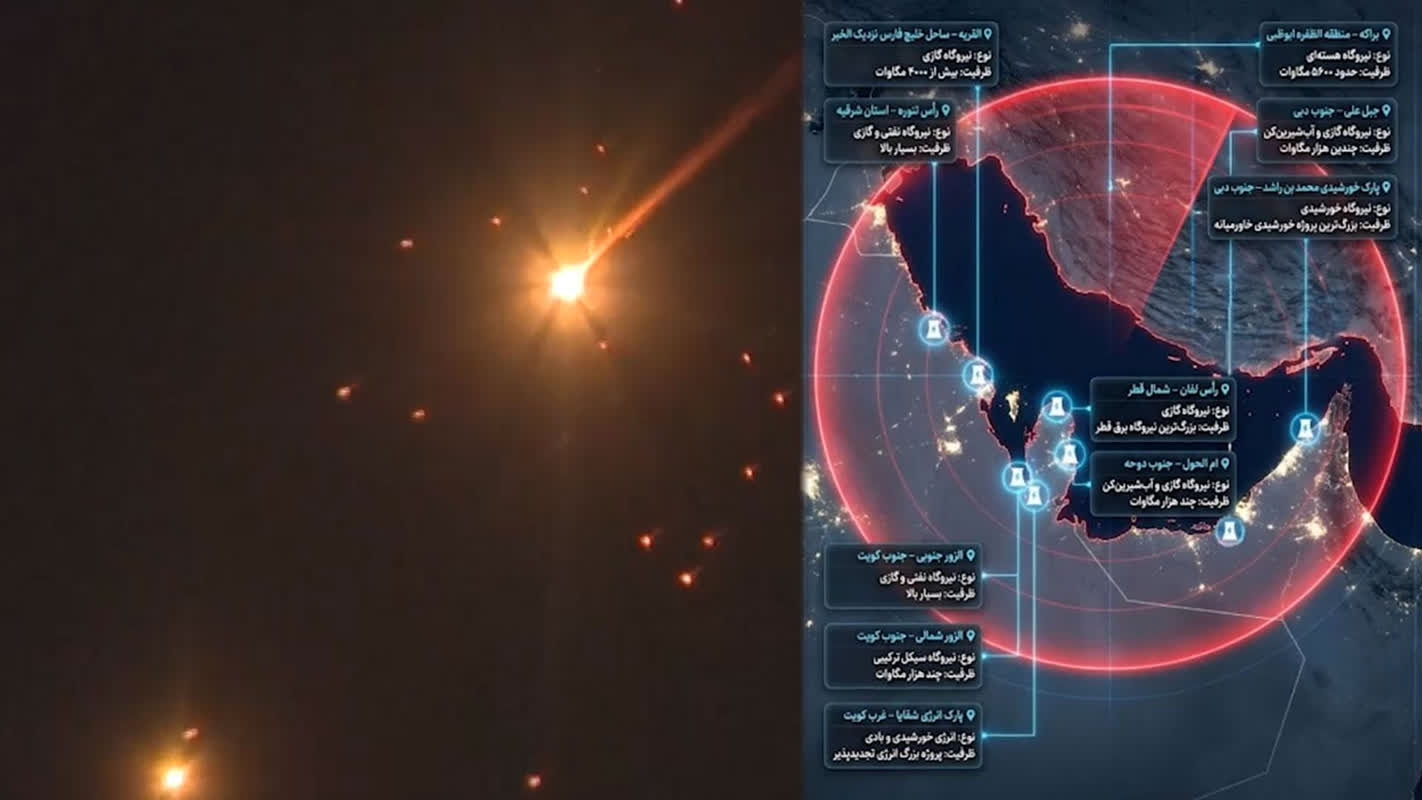
[Question 6] The U.S. warned of a “Stone Age” response; Iran warned of “hell.” Attention is fixed on each side’s next move. The deadline is 9 a.m. KST on the 7th. Iran has signaled it would target infrastructure, while talks remain stalemated. Could President Trump order strikes, and what key variables will factor into that decision?
[Question 7] Now six weeks into the conflict, let’s assess Iran’s domestic climate. The judiciary has carried out death sentences for participants in anti‑government protests as authorities tighten internal control. After the bloody suppression of unrest in January, Tehran has been on guard against further uprisings. How would a protracted war affect internal stability?
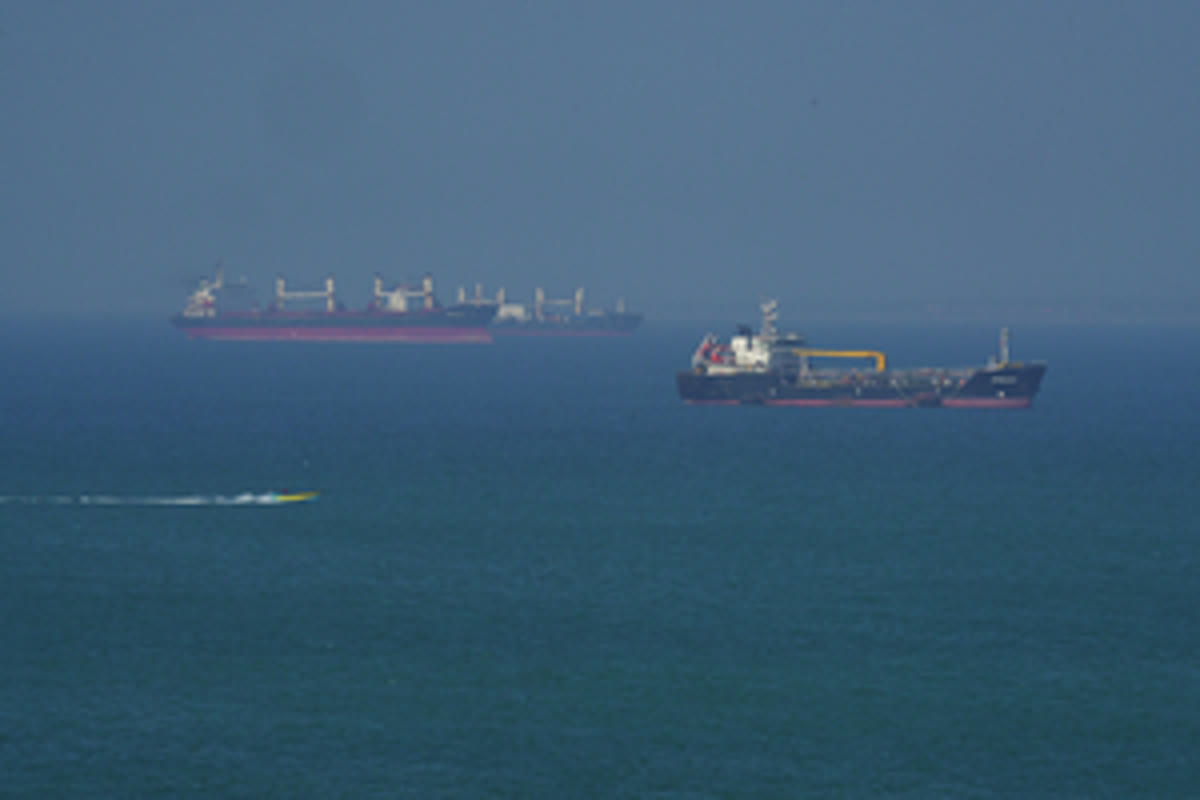
[Question 8] Iran and Oman discussed guarantees for passage through the Strait of Hormuz, proposing selective transit based on a ship’s flag and cargo. Is that part of Iran’s conditions for a settlement with the U.S., or is it a separate diplomatic initiative?
[Question 9] Despite reports of pressure on Hormuz, Japan plans to increase crude purchases next month. Tokyo says it will use alternative routes and release strategic reserves to raise imports to about 60% of last year’s levels for the same period; Japanese tankers reportedly transited Hormuz on consecutive days. Could this indicate a bilateral arrangement between Tehran and Tokyo?
For Yonhap News TV reporting and tips: KakaoTalk/LINE jebo23
Park Kyung‑jae (parkpd@yna.co.kr)