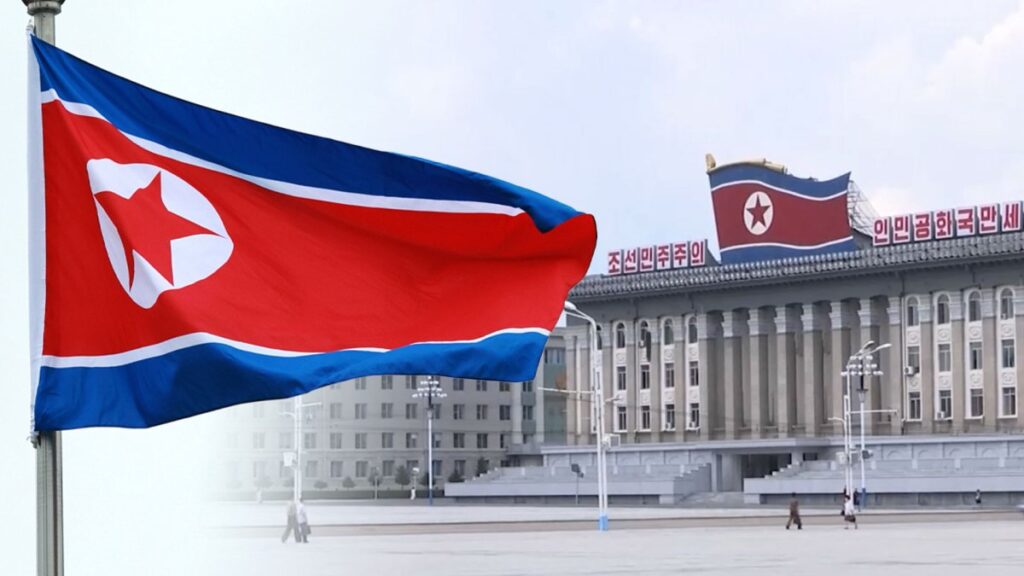
A debate in South Korea over whether to refer to the North as \"North Korea\" or by its official name \"Joseon\" has spilled into national-security discussions.
Foreign media reported on May 1 that the dispute is more than a matter of wording: it implicates the Constitution's territorial clause, Seoul's peaceful-coexistence policy and broader assumptions about reunification.
Analysts warn that choosing one term over the other could unsettle core security assumptions, and that concern has only intensified the controversy.
Article 3 of the Constitution is at risk — Unification views split over a single word
Central to the debate is Article 3 of the South Korean Constitution.
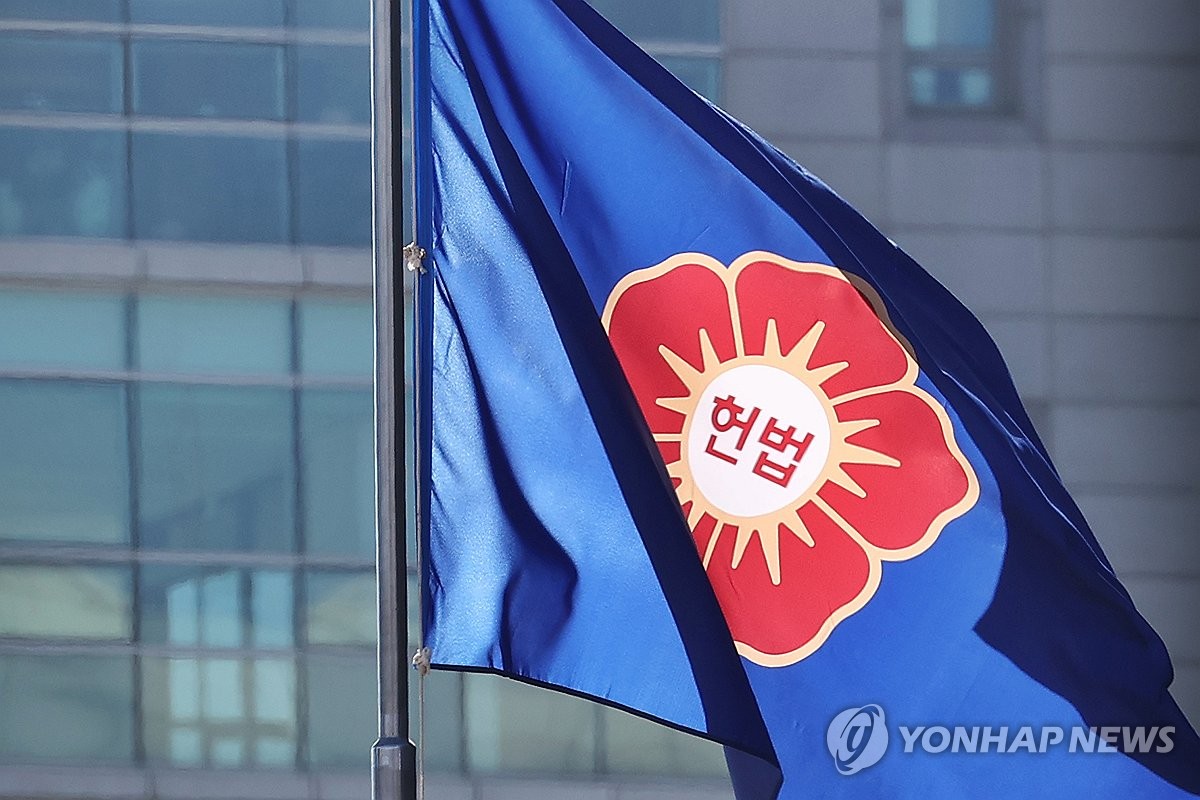
Article 3 reads, \"The territory of the Republic of Korea shall consist of the Korean peninsula and its adjacent islands,\" a clause that legally frames the North as part of South Korea's territory.
Some progressive voices argue that calling the North \"Joseon\" acknowledges a shared reality and could serve as a linguistic step toward peaceful coexistence.
Conservatives and defense experts counter that officially treating the North as an independent state called \"Joseon\" would erode the legal basis for viewing the North as territory occupied by an anti-state entity under the Constitution.
They warn such a shift would effectively treat the North as a foreign state and could ultimately prompt pressure to revise the Constitution's territorial clause.
Eroding the 'principal enemy' concept raises alarms about military readiness
If the naming debate becomes policy, the military's security posture and readiness would be among the first areas affected.
Recognizing the North as a conventional foreign state could weaken the conceptual basis for terms like \"principal enemy\" or \"clear adversary\" that appear in defense white papers.
To date, the constitutional duty to repel armed provocations by anti-state groups has provided legal justification for immediate, robust military responses.
But if the North is recognized as a separate state, local clashes or provocations risk being treated as interstate disputes under international law, complicating Seoul's rules of engagement and response options.
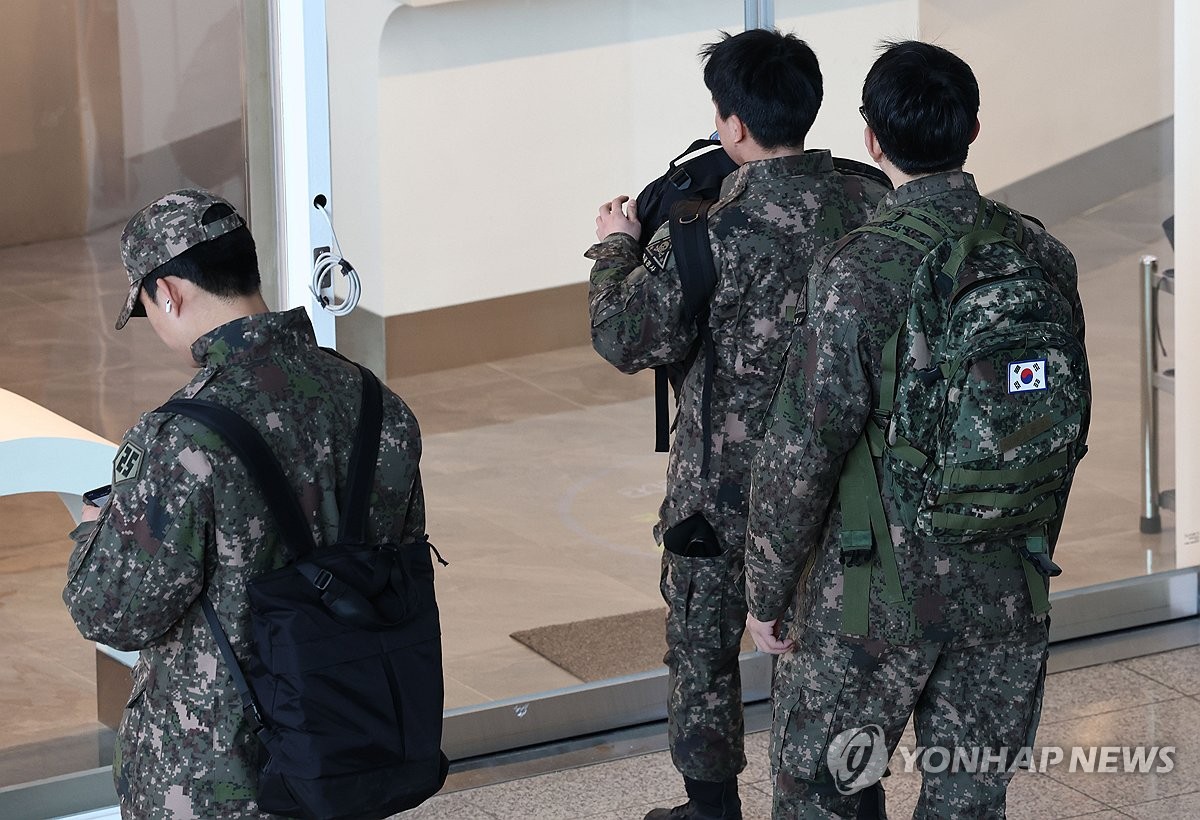
The armed forces would also face significant disruption in morale education and in shaping servicemembers' attitudes toward the adversary.
Analysts say that a single shift in terminology could unsettle South Korea's seven-decade security architecture and challenge the fundamental rationale for its military.