As the deadline for President Donald Trump’s “final ultimatum” — in which he warned he would strike Iran’s energy infrastructure unless the Strait of Hormuz is fully reopened — approaches, international observers are on high alert for possible attacks on power plants. The United States and Iran remain locked in a standoff over control of the strait, though some analysts say there are signs momentum for talks is building.
The deadline — 7:44 p.m. on the 23rd (8:44 a.m. KST on the 24th) — drew nearer. On the 21st, Trump posted on Truth Social that if Iran does not fully reopen the Strait of Hormuz within 48 hours, the U.S. would begin by attacking Iran’s largest power plants and “flatten” them.
An actual strike would mark a major escalation. Given Trump’s pledge to start with the largest targets, analysts say the Damavand complex could be an initial aim. Located near Tehran, Damavand is a critical energy asset: a combined-cycle thermal power plant of roughly 3,000 megawatts, representing about 4% of Iran’s total generation capacity.
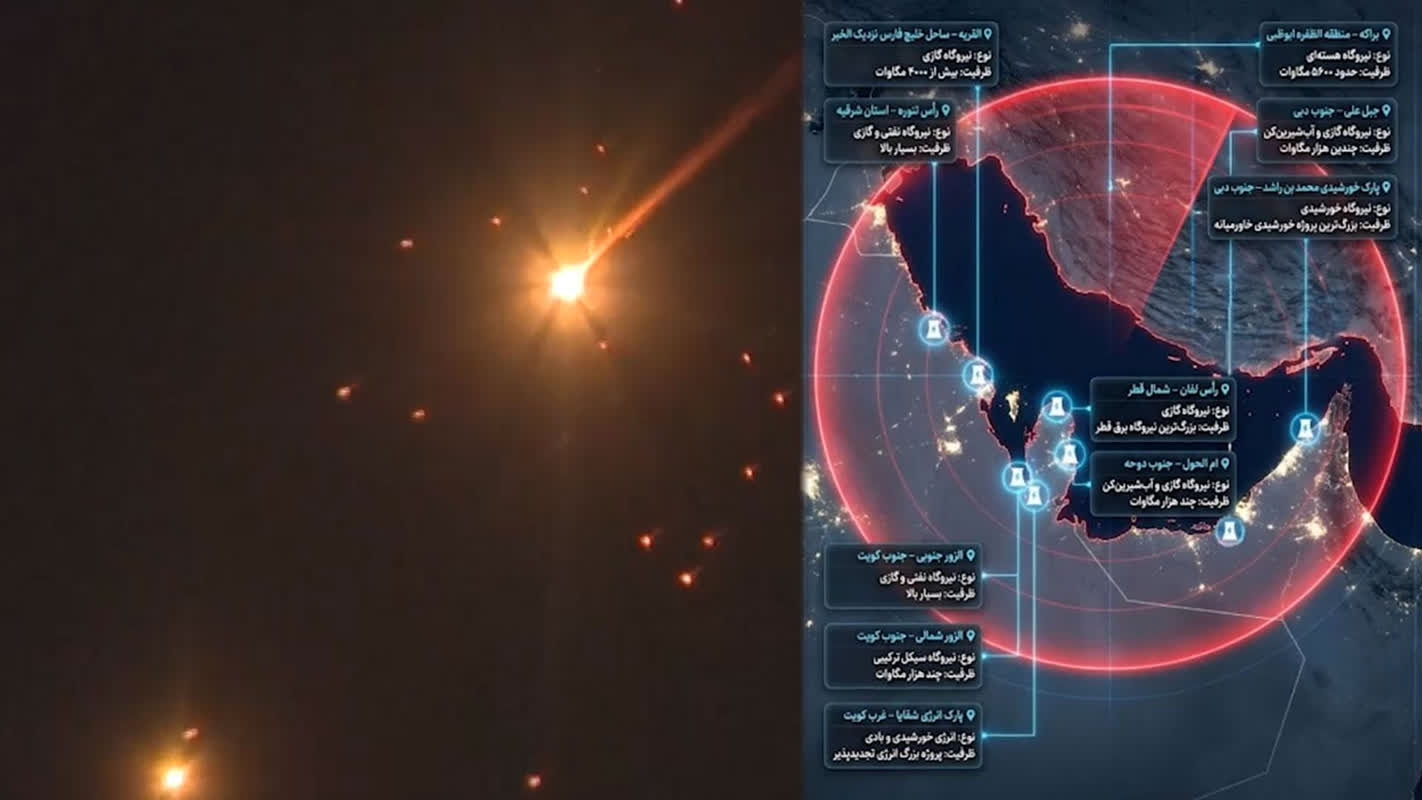
Iran has warned that a direct U.S. attack on its core infrastructure would trigger retaliatory strikes on energy facilities linked to the United States. Military escalation appears likely, and disruptions to energy supplies and financial markets could widen.
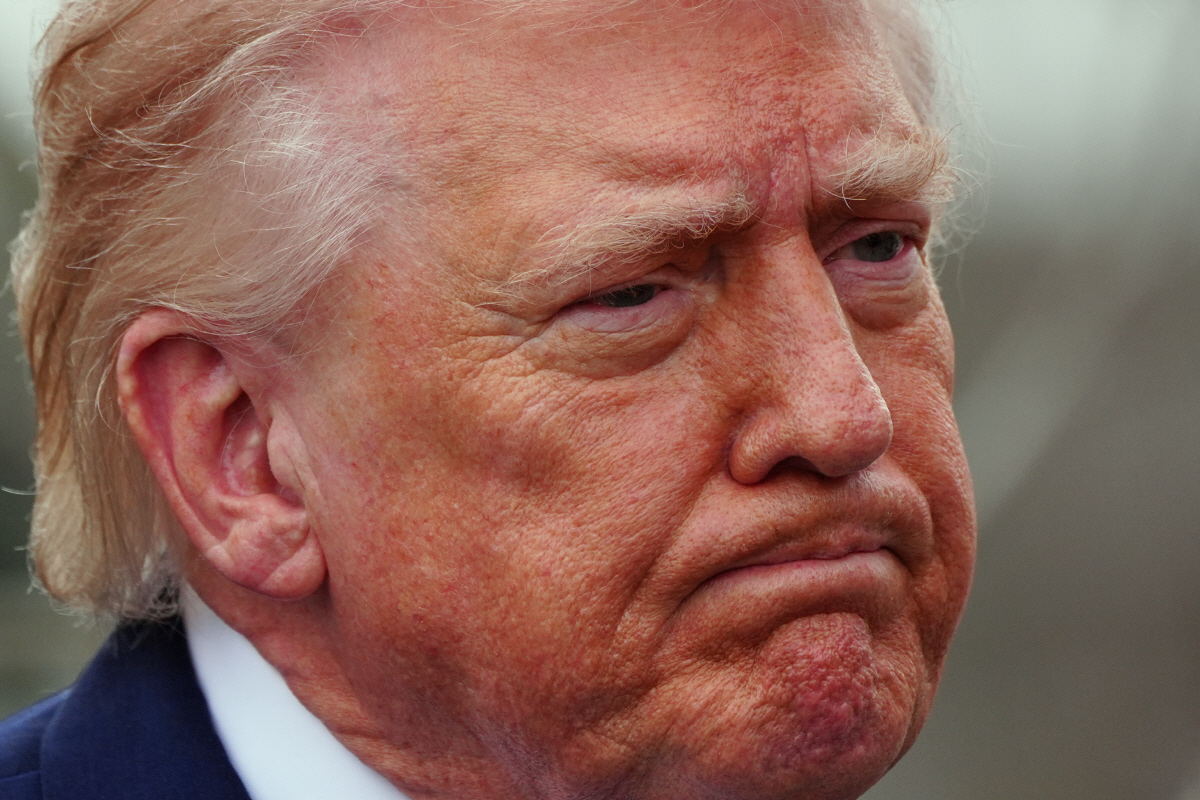
Still, an attack is not inevitable. Although Tehran has vowed a forceful response, its official stance — “we never blocked [the strait]” — directly challenges Trump’s asserted justification, said Baek Seung-hoon, a senior researcher at the Middle East Institute at Hankuk University of Foreign Studies.
Observers note that six U.S. demands reportedly prepared behind the scenes signal Washington’s readiness to negotiate. The U.S. outlined six conditions: ban uranium enrichment; suspend Iran’s missile program for five years; dismantle major nuclear sites such as Natanz, Fordow and Isfahan; halt support for Iran-aligned armed groups in the region, including Lebanon’s Hezbollah; permit external monitoring of equipment related to nuclear-weapons development; and cap Iran’s missile inventory at 1,000 or fewer. Baek said that offering to freeze uranium enrichment could be seen as a concession and that laying out acceptable options was a clear signal Washington wanted to engage in talks. That does not mean formal negotiations have begun, but it does indicate a desire to negotiate.
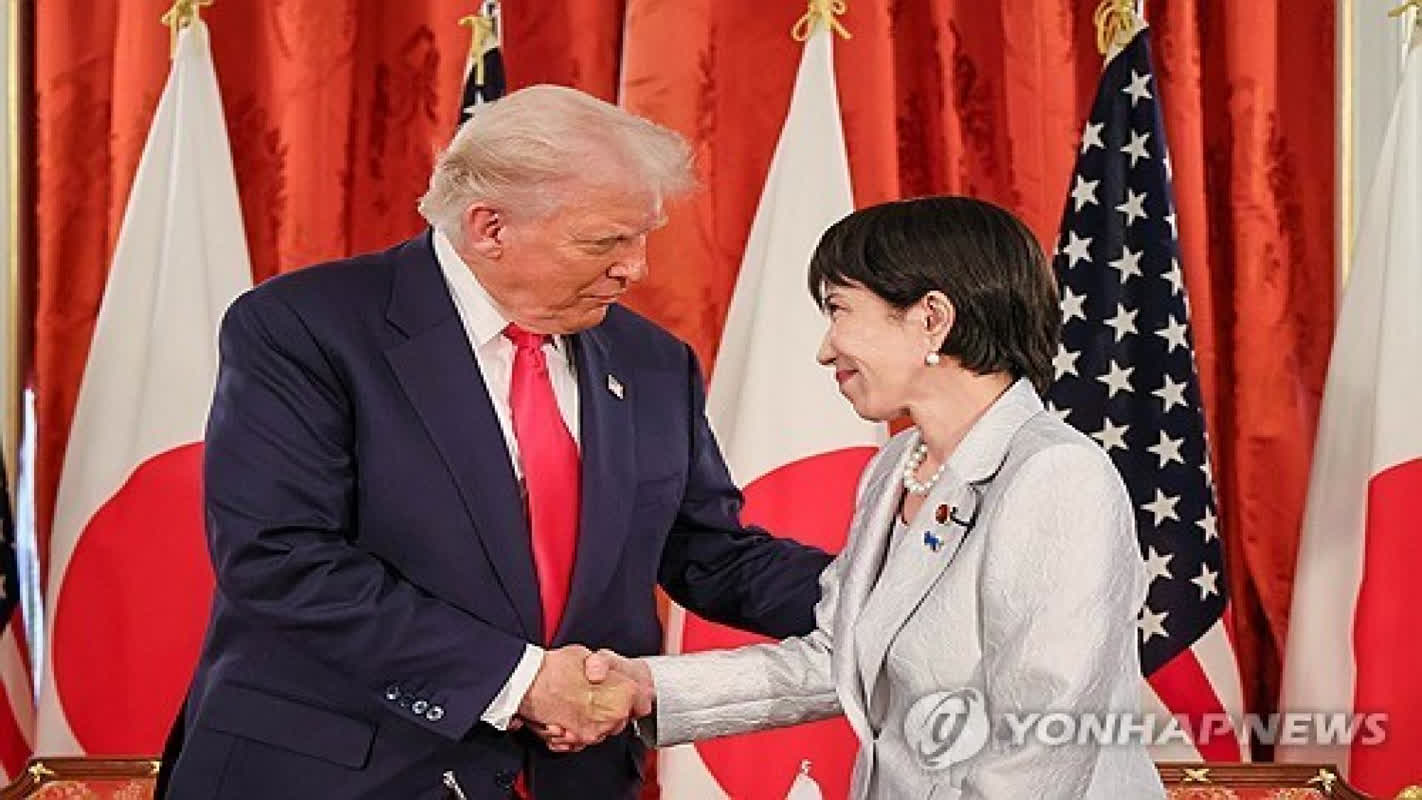
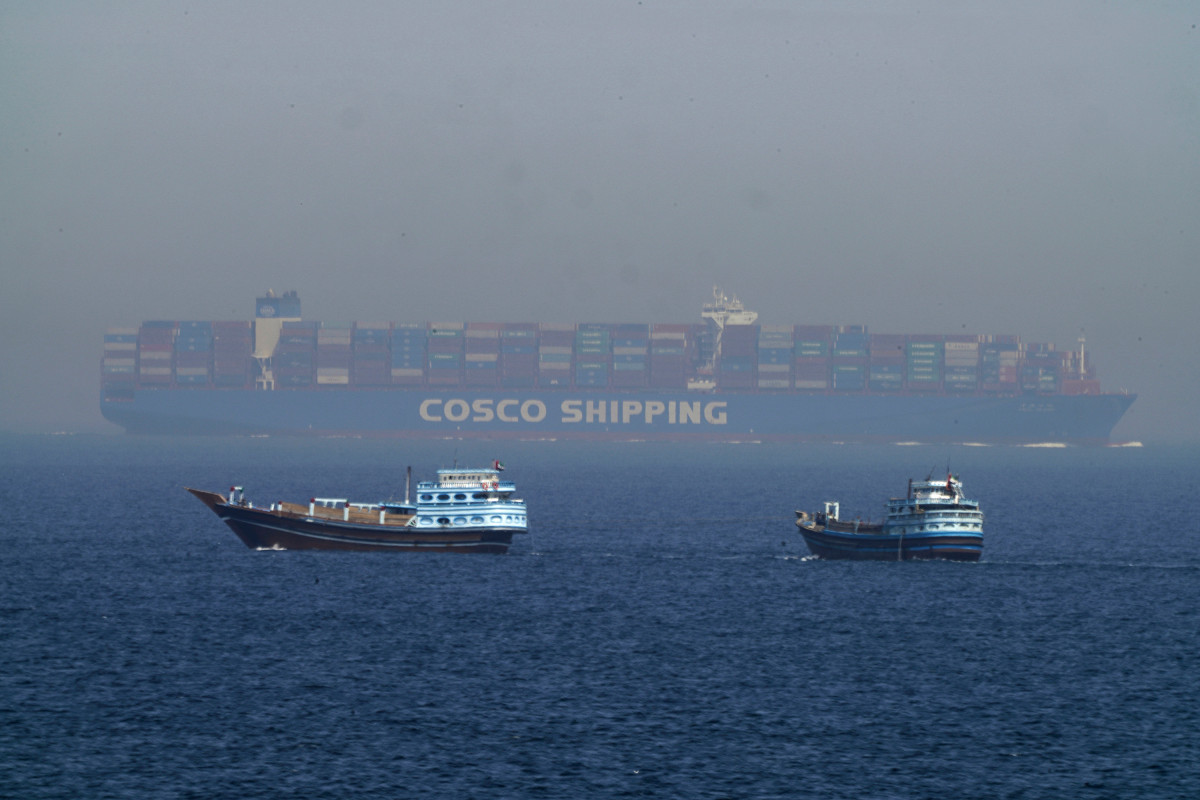
With Trump’s ultimatum deadline set to shape the conflict’s trajectory, countries that rely heavily on energy transiting the Strait of Hormuz have opened direct lines to Tehran. Reports indicate Japan and Iran have initiated talks on passage through the strait, and Foreign Minister Cho Hyun spoke by phone with Iran’s Foreign Minister Abbas Araghchi. According to the Foreign Ministry, Cho expressed deep concern about the situation’s potential impact on global security and the economy, urged Iran to stop attacks on civilians and civilian infrastructure in Gulf states, requested additional attention and support for the safety of South Korean nationals in Iran, and asked Iran to take necessary safety measures for the many ships, including several South Korean-flagged vessels, anchored in the Strait of Hormuz.