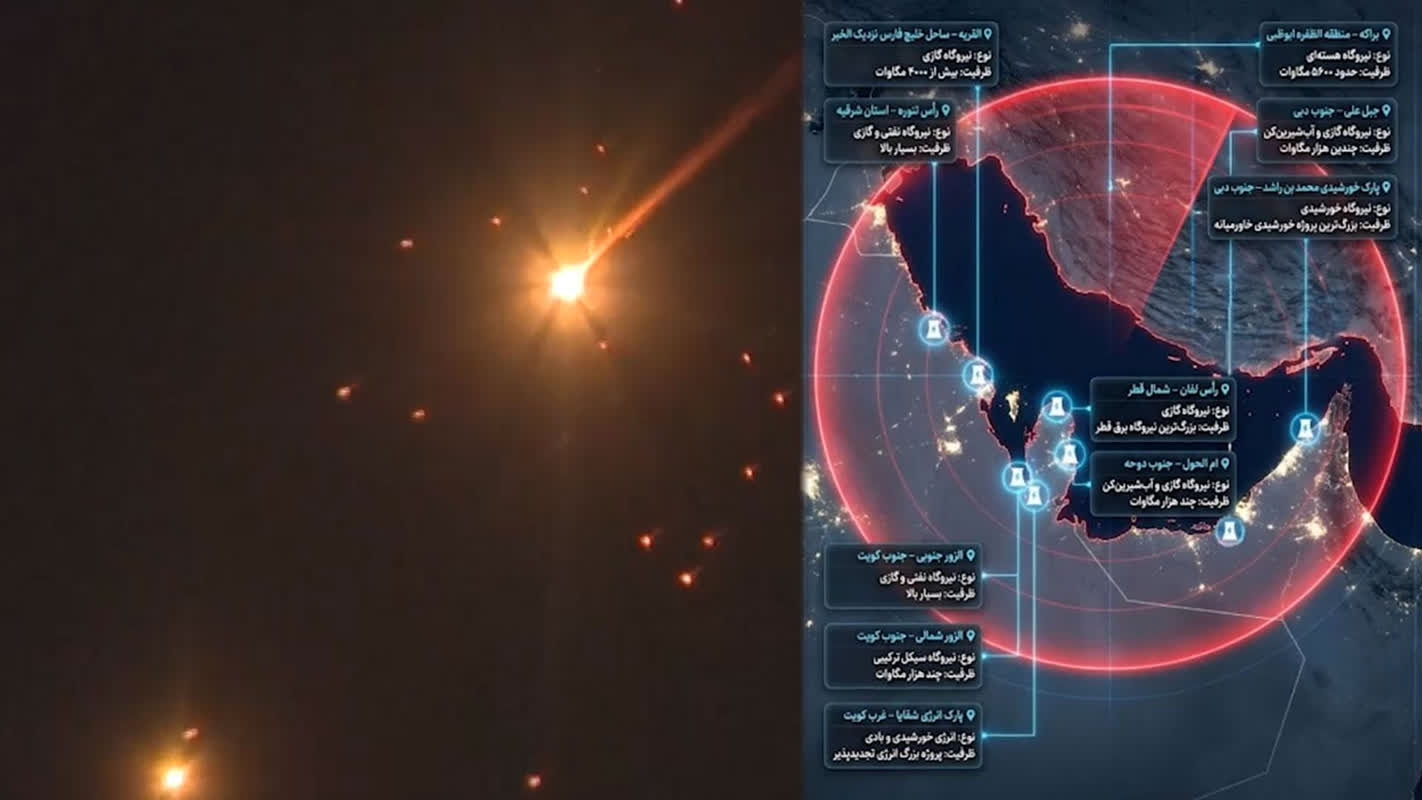
Tensions between Tehran and Washington have escalated after the speaker of Iran’s parliament raised the prospect of a U.S. ground offensive and vowed a hardline response.
Mohammad Bagher Ghalibaf, a former IRGC commander and speaker of the Majlis, said on March 29 that “the United States publicly sends negotiation messages while secretly preparing a ground attack,” and he vowed to fight to the end.
He warned, “Our fighters are waiting for U.S. forces to arrive on the ground and are prepared to fight to the death.”
Ghalibaf criticized U.S. end-of-conflict terms as “15 demands to achieve by peace what they failed to achieve by war,” saying Trump once sought to topple the Islamic Republic but that his actual aim became reopening the straits that were open before the war.
He said the energy market has been thrown into chaos and that U.S. military assets once touted—from F-35 fighters to aircraft carriers—have taken hits.
“We are currently fighting a massive world war,” he added, warning that Iran could make it so the United States no longer dares to contemplate attacking the country.
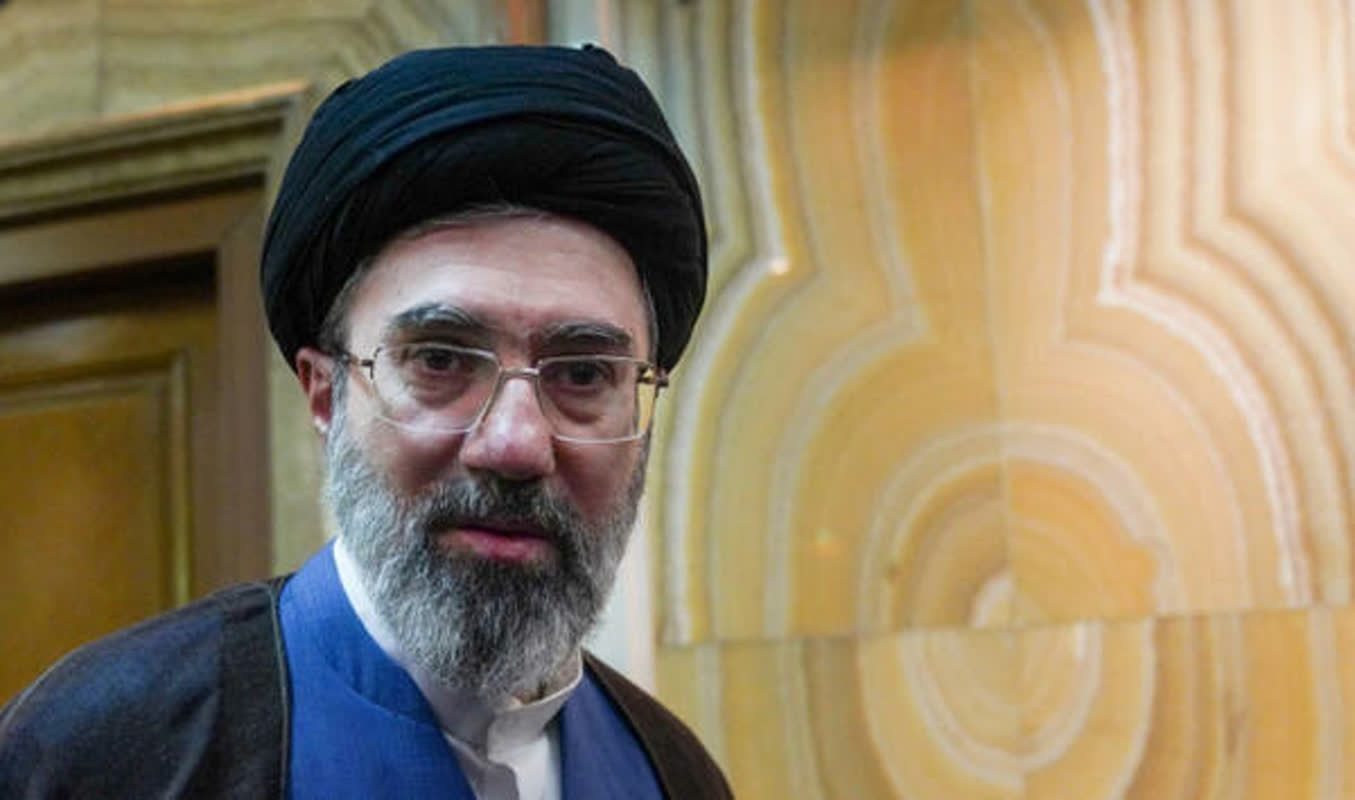
He also urged, “Everyone must become devout, vigilant followers of Supreme Leader Ayatollah Seyyed Mojtaba Khamenei.”
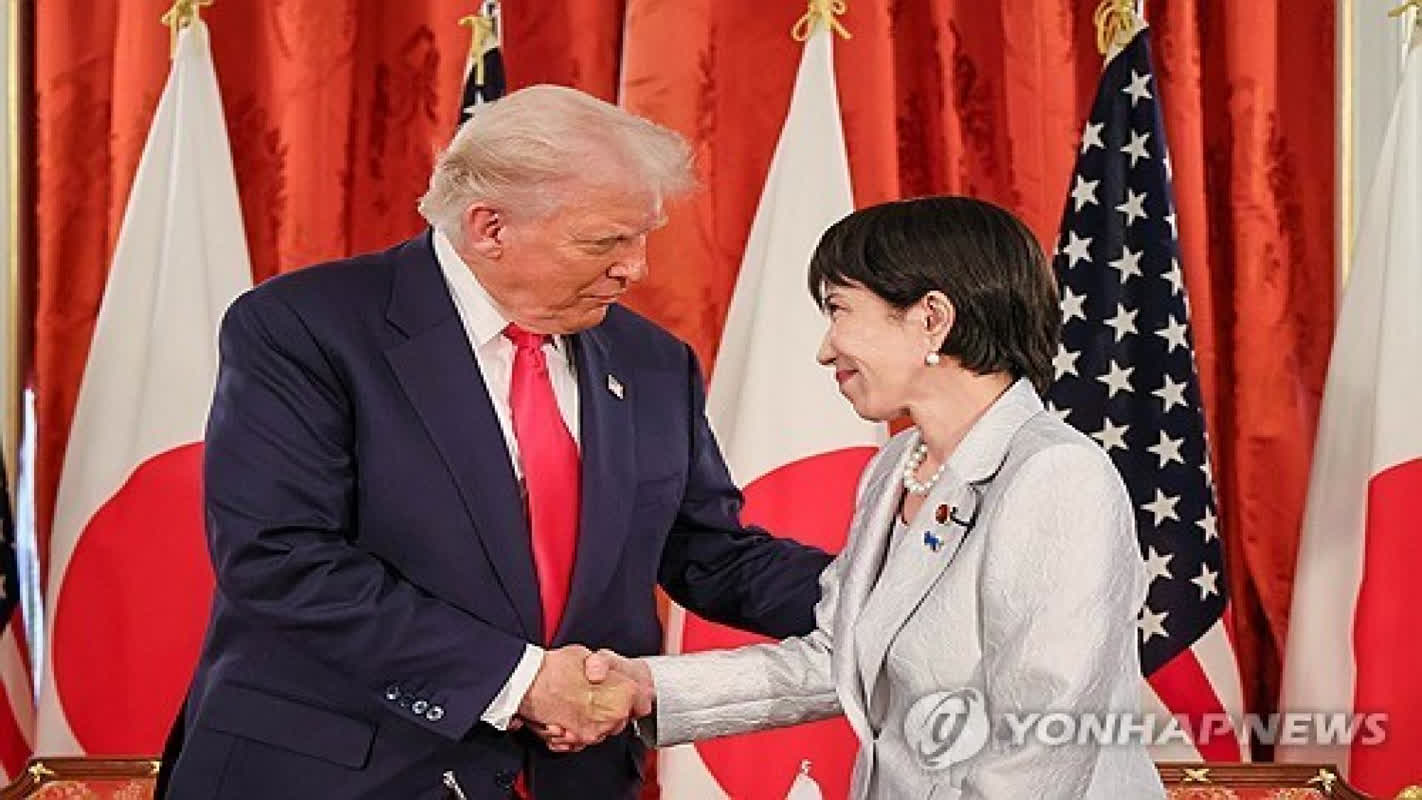
Meanwhile, former President Donald Trump’s team reportedly offered Iran a cease-fire proposal on the 26th that would require dismantling nuclear facilities and halting uranium enrichment.
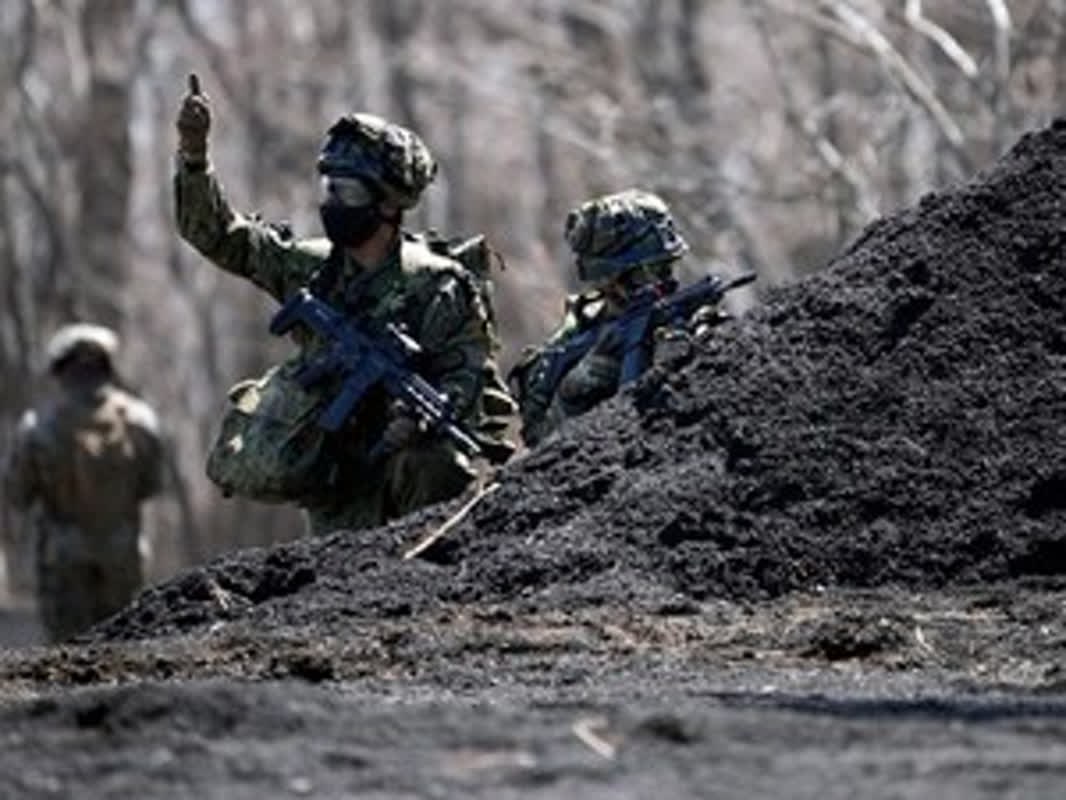
The United States has also stepped up pressure: the aircraft carrier George H.W. Bush has been deployed to the Middle East, and roughly 5,000 Marines and about 2,000 soldiers from the 82nd Airborne Division have been moved into the region, moves consistent with posture for a potential ground campaign.