Featuring: Baek Seung-hoon, senior researcher, Institute of Middle East Studies, Hankuk University of Foreign Studies · Jeong Han-beom, professor, Korea National Defense University
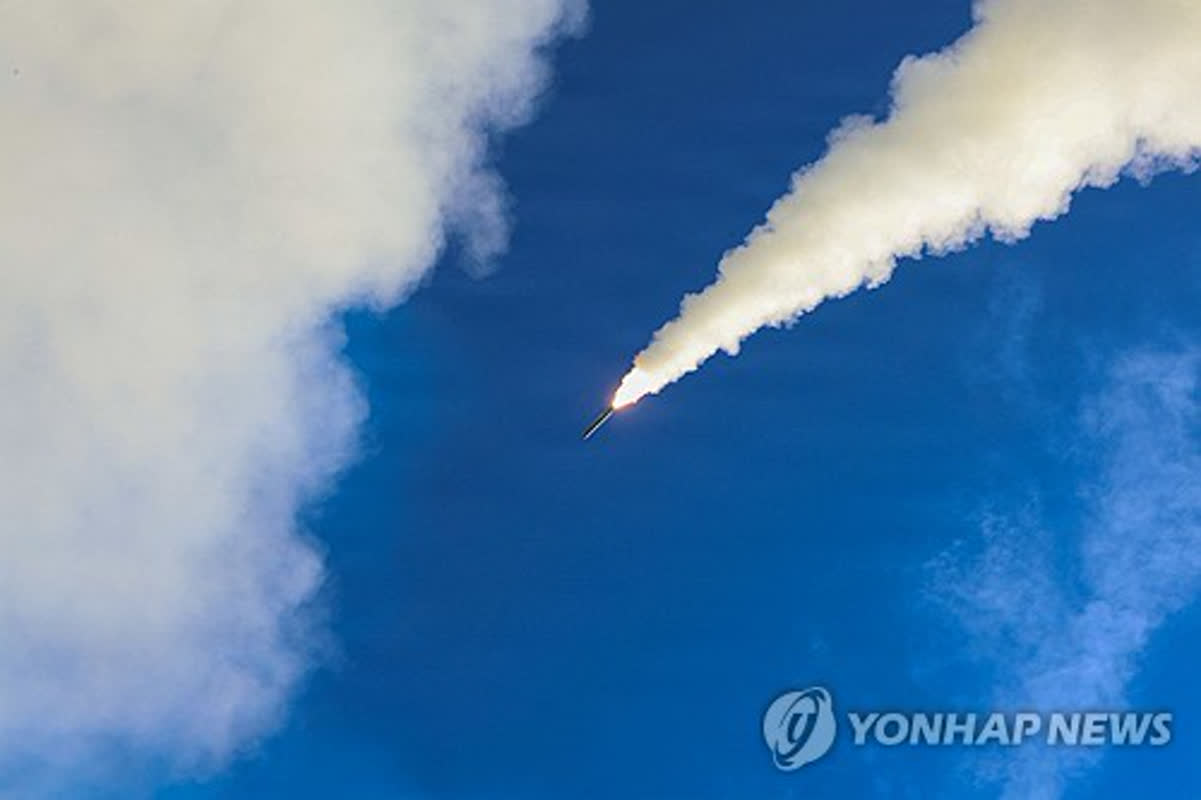
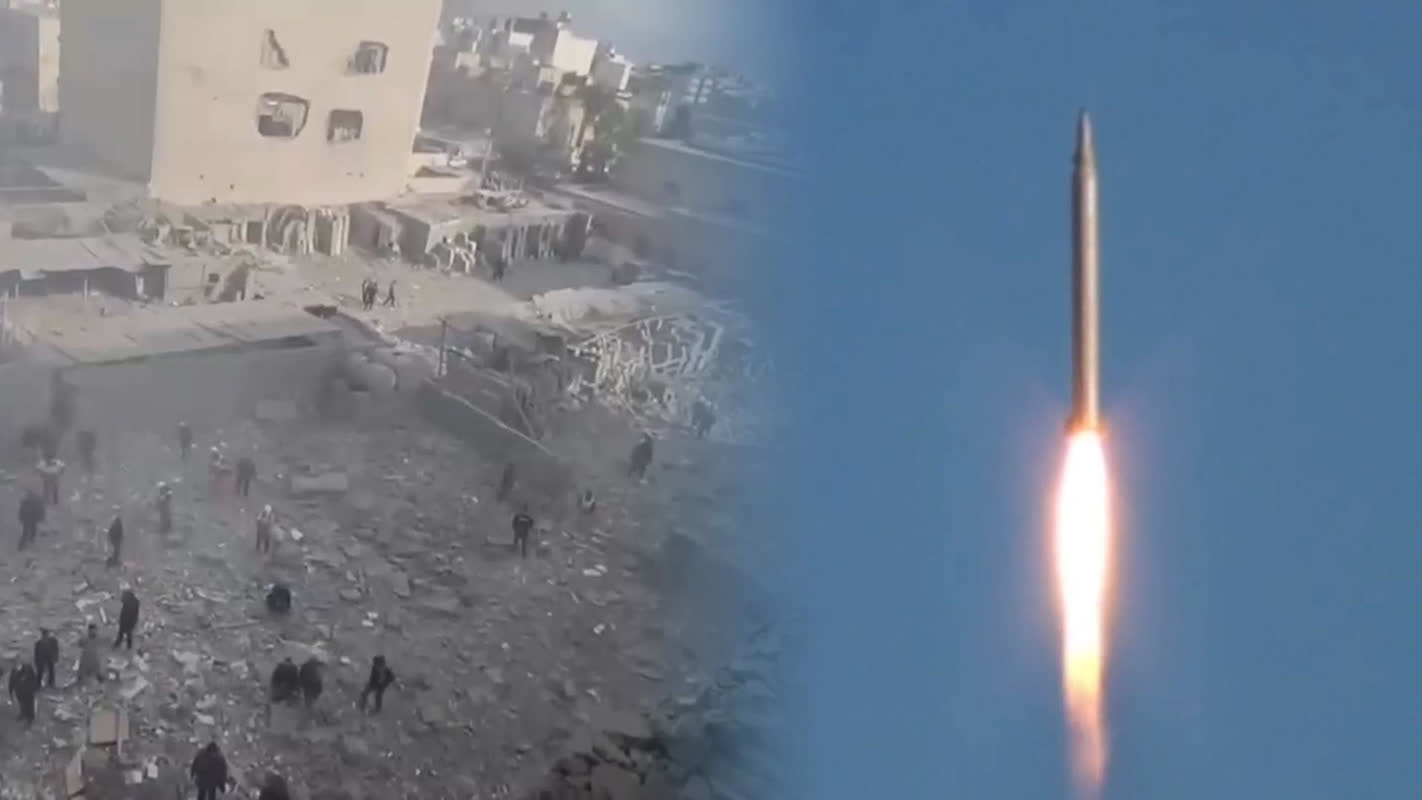
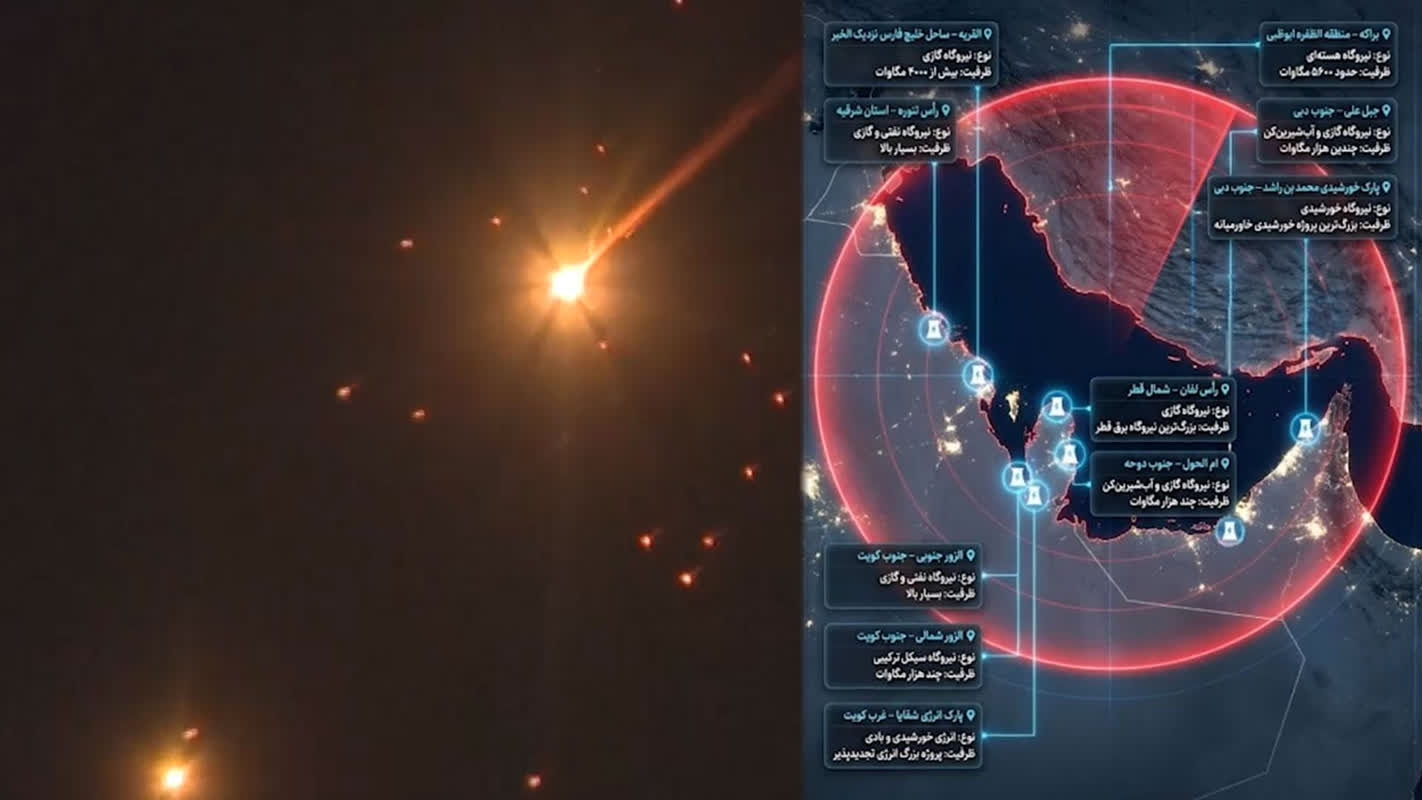
As the conflict between the United States, Israel and Iran entered its 12th day, both sides have launched concentrated air campaigns and carried out long-range strikes.
With casualties mounting on both sides, attention has turned to when and under what conditions the fighting might end.
We discuss the latest developments with Baek Seung-hoon and Professor Jeong Han-beom.
Question 1
The White House has said it could halt military operations against Iran once it determines its objectives have been met. Some critics have called that a self-declared end to the war. What scenarios is the U.S. currently considering?
Question 2
The U.S. secretary of defense warned these would be the most intense strikes yet, and U.S. forces have hit targets across Iran, including Tehran. Iran has continued to retaliate, targeting Israeli and nearby U.S. military facilities. How do you assess the current situation?
Question 3
Iran’s newly named supreme leader, Mojtaba Khamenei, has not appeared in public for days amid reports he was wounded during the airstrikes on the 28th. The U.S. Department of Defense says it cannot comment. What can you tell us about this situation?
Question 3-1
North Korea issued a statement on Iran’s selection of Mojtaba Khamenei, saying it respects the rights and choices of the people. How should we interpret North Korea’s stance?
Question 4
Allegations are growing that Israel used white phosphorus—often called a “devil’s weapon”—during an attack on a Lebanese village. There are also claims that herbicides containing carcinogenic substances were used. What exactly is white phosphorus and what are its effects?
Question 5
Iran released what it said were missile fragments as evidence that a U.S. strike killed children and teachers at a local elementary school. Iranian outlets suggested the debris resembled parts from a U.S. Tomahawk cruise missile. How do you evaluate that claim?
Question 6
The United States and Iran appear to be jockeying for control of the Strait of Hormuz. The U.S. energy secretary briefly posted that U.S. forces had successfully escorted tankers through the strait, then deleted the social media post. President Trump’s inconsistent messaging has added to the confusion. How should we interpret these developments?
Question 7
After reports that Iran laid naval mines in the Strait of Hormuz, the U.S. warned of an unprecedented response and said it struck Iranian mine-laying vessels. What are naval mines, and how do they function?
Question 8
At the same time, the U.S. asked the Israeli government not to strike Iran’s energy infrastructure. What is the rationale behind that U.S. request?
For Yonhap News TV reporting inquiries and tips: KakaoTalk/LINE jebo23
Yoo Yeon-hee (rjs1027@yna.co.kr)