By Kim Young-il, The Public — Quiet negotiations aimed at ending hostilities among the U.S., Israel and Iran have begun, and analysts say financial markets are likely to refocus on an AI-driven cycle once talks conclude.
U.S.-Iran back-channel talks underway; strikes on power plants meant to pressure Iran to negotiate…reparations may be treated as return of frozen assets
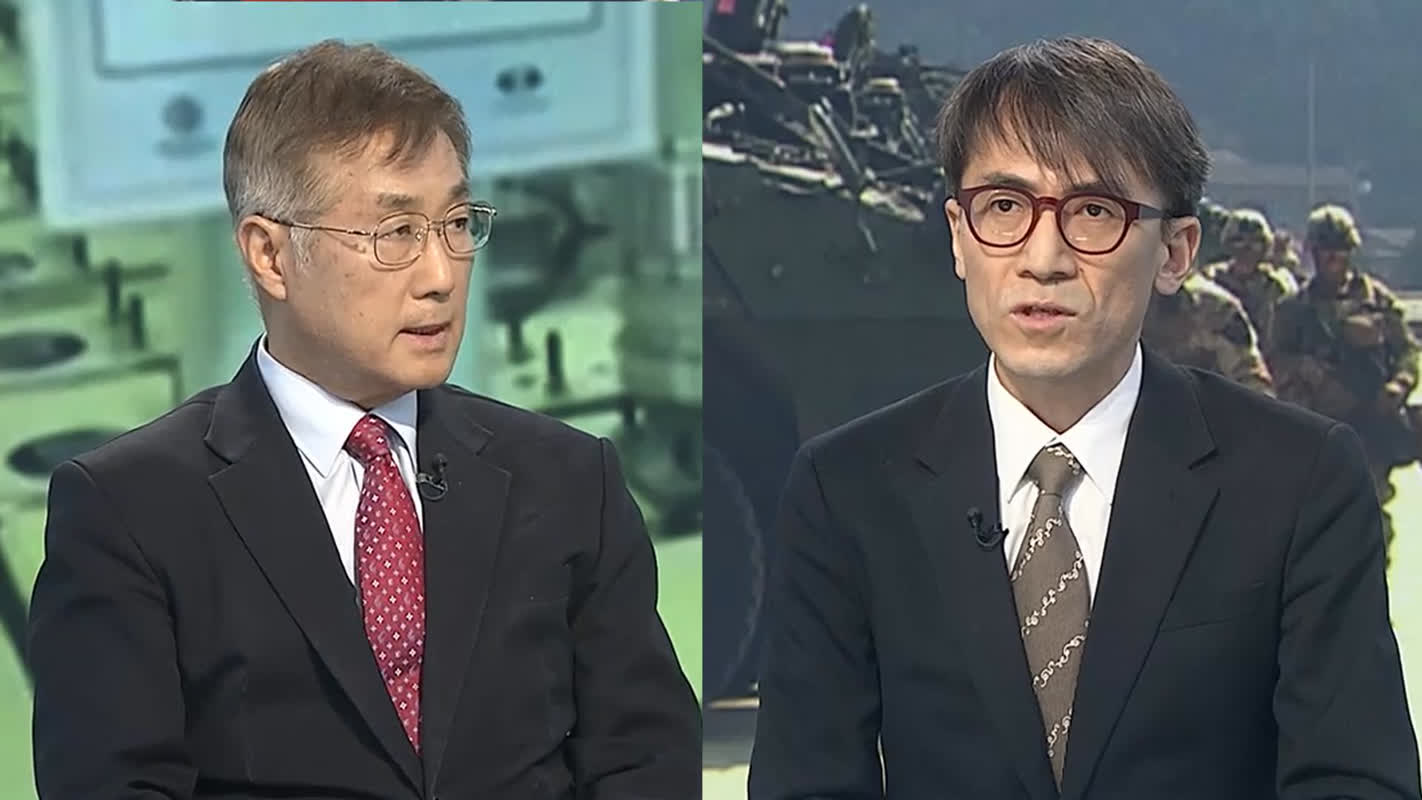
On the 23rd, Yang Hyung-mo, a researcher at DS Investment & Securities, said in a report titled "Markets Return to an AI Cycle After Negotiations" that if negotiations to end the conflict move forward, oil prices should fall below $85 a barrel and markets will likely rotate back into an AI-led rally.
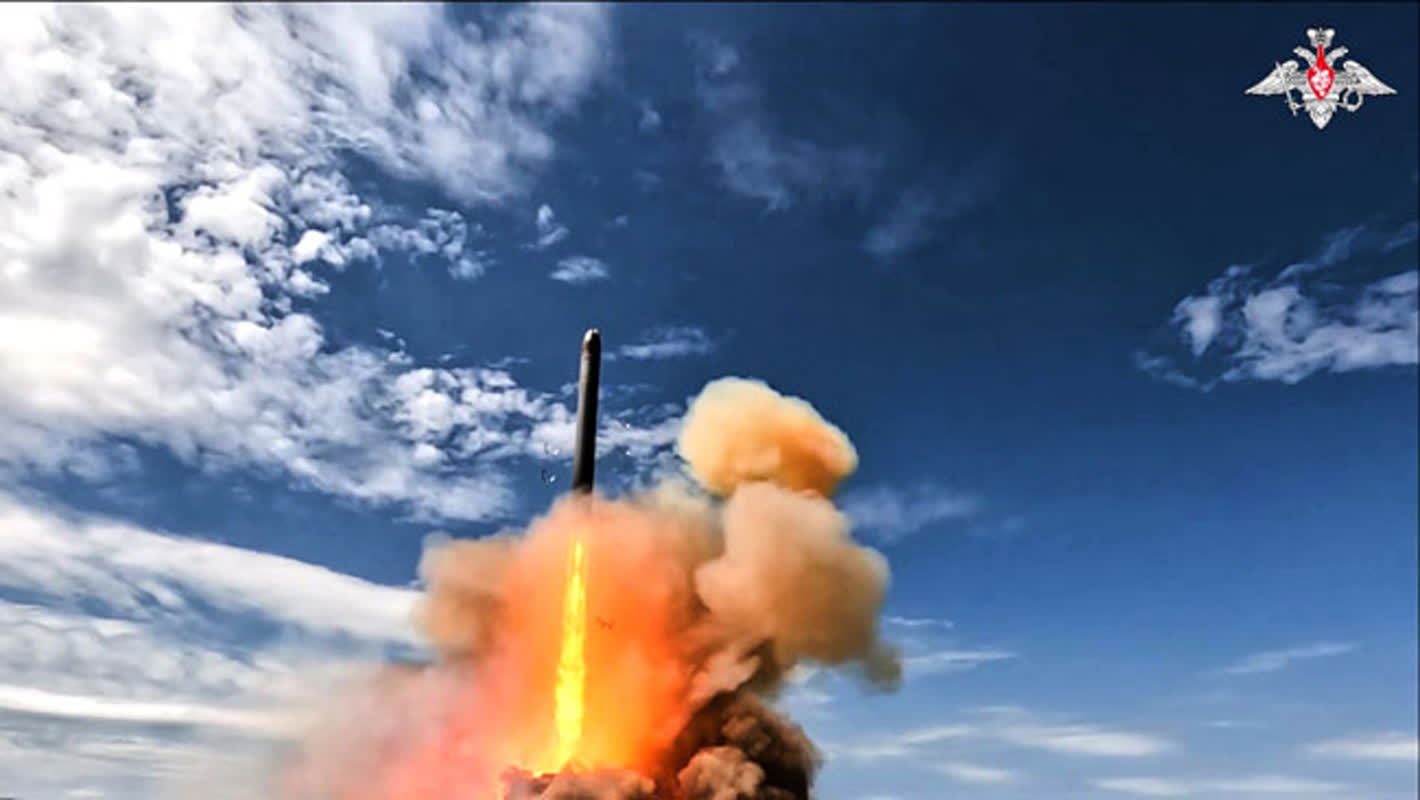
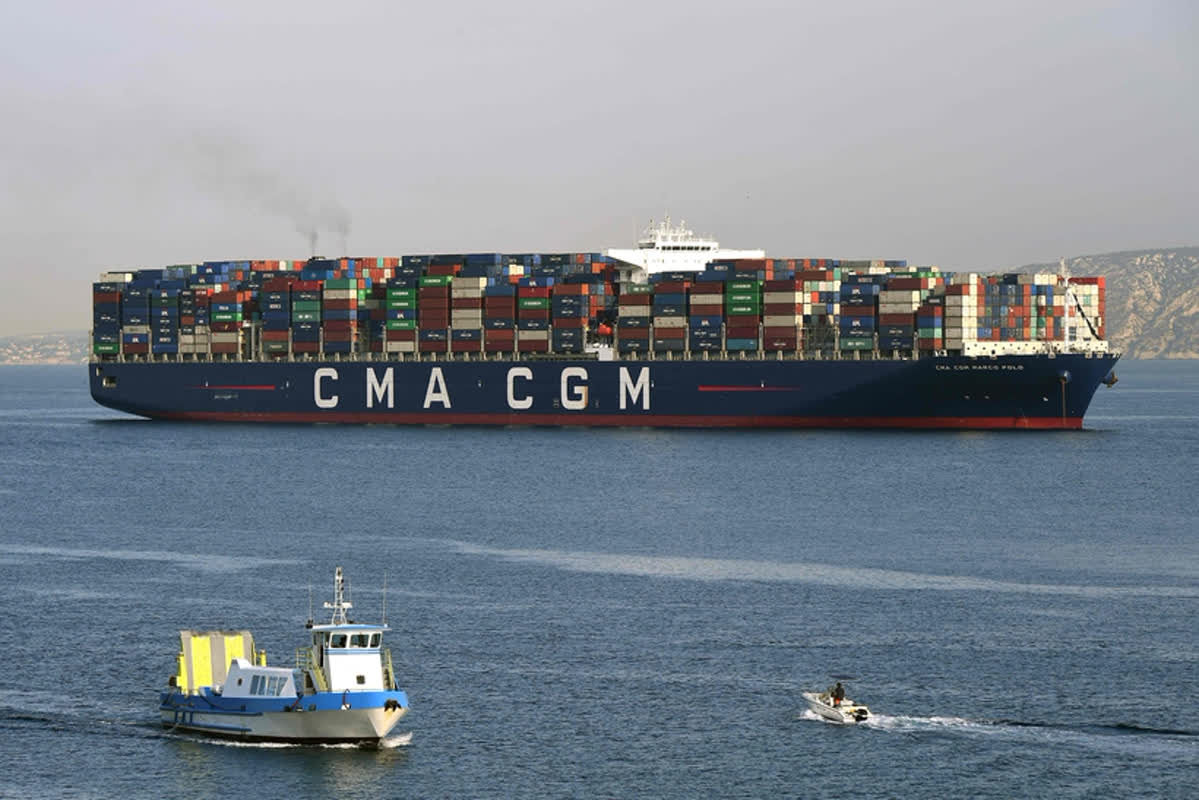
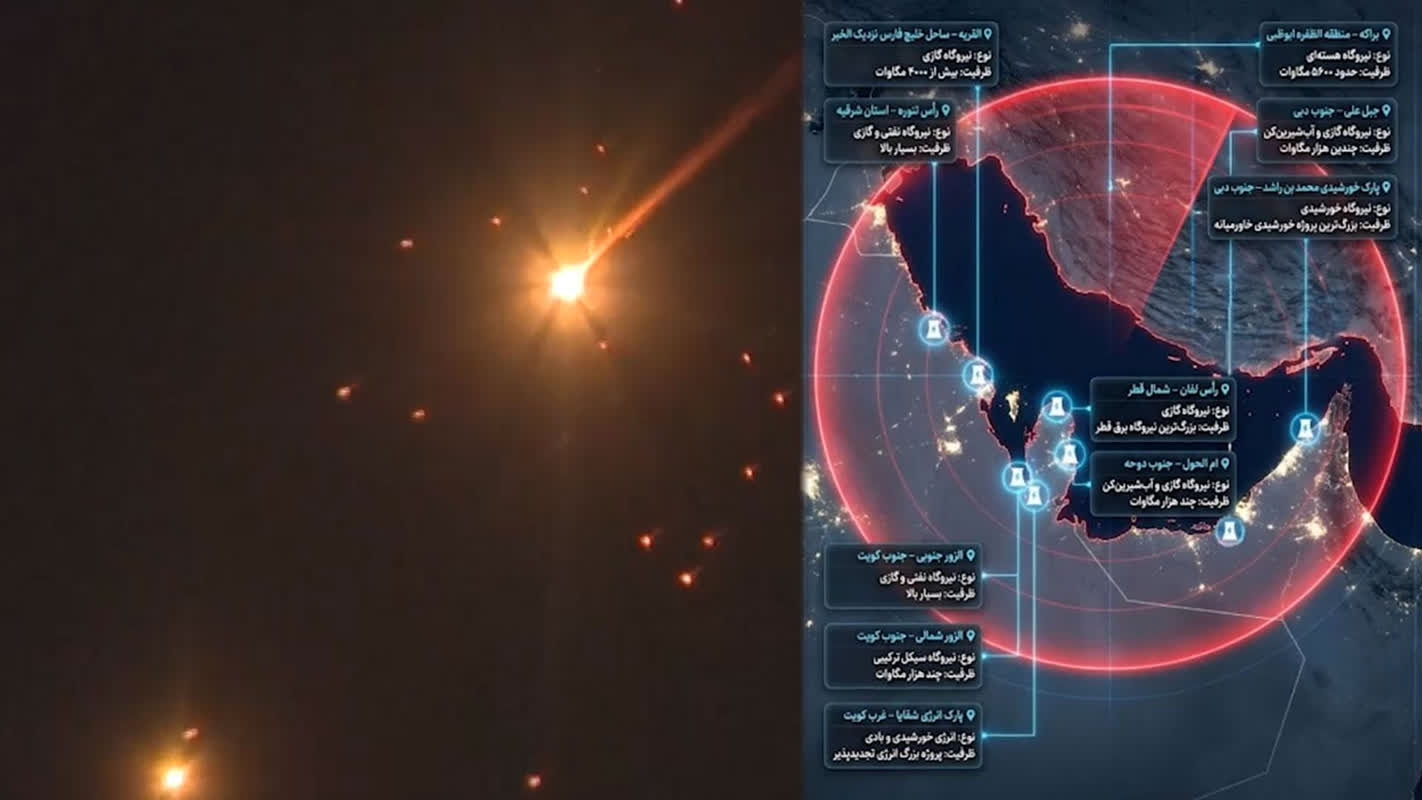
Yang noted that President Trump on the 21st (local time) issued a 48-hour ultimatum warning that, unless Iran fully reopens the Strait of Hormuz, the U.S. would obliterate Iran's power plants starting with the largest facilities. He added that the ultimatum should not be read purely as a military tactic.
According to Yang, the Trump administration is reportedly weighing four major military options: sequential strikes on power plants; seizing Kharg Island, which handles roughly 90 percent of Iran's oil exports; forcing open the Strait of Hormuz by having destroyers and carrier strike groups escort tankers; and deploying special operations forces to seize or destroy about 440 kilograms of roughly 60 percent‑enriched uranium to physically secure highly enriched material.
Yang warned that while those are the cards in play, widening the conflict would sharply raise U.S. military casualties and send oil prices much higher—an outcome that would directly threaten the Republican Party ahead of the November 2026 midterm elections. He said many Republican allies are already urging a quick exit strategy: rising casualties and surging fuel prices before the midterms would inflict serious political damage on the party.
He added that back-channel diplomacy between Washington and Tehran has already started. Yang said direct channels have been reactivated between Trump's Middle East envoy Steve Witkoff and Iranian Foreign Minister Abbas Araghchi, and that Jared Kushner is reportedly constructing a peace framework based on six conditions.
Yang also said Iran is demanding reparations, but U.S. officials have signaled they could address that demand by returning frozen assets instead. He expects additional strikes over the next two to three weeks, but views that period as more about laying diplomatic groundwork than escalating the war.
Yang described Trump's desired outcome as straightforward: reopen the Strait of Hormuz, verify the containment of Iran's nuclear capability, and claim a political victory framed as "Make Iran Great Again." He emphasized that strikes on power plants are designed to push Iran to the negotiating table, not to expand the war.
He projected that once negotiations advance, West Texas Intermediate crude could quickly settle back in the $75–$85 range, and he said the conflict is likely to end quietly at the negotiating table.
From the U.S. perspective, AI investment is a prisoner's dilemma—stop investing and China will seize dominance
Yang expects that as U.S.-Iran talks bring down oil prices, investors will shift their attention back to AI-related opportunities.
He cited OpenRouter, a platform that provides access to multiple large language models through a single API, noting that as of February Chinese models such as MiniMax, Kimi and DeepSeek ranked as the top three by global token usage, together accounting for about 61 percent of total usage.
Even though 47% of OpenRouter users are in the United States and only 6% are in China, Chinese models dominate the top ranks—a sign, Yang said, that global developers are choosing them for cost efficiency.
He also pointed to China's 15th Five-Year Plan (2026–2030), which mentions AI 52 times and calls for average annual R&D spending growth of more than 7 percent.
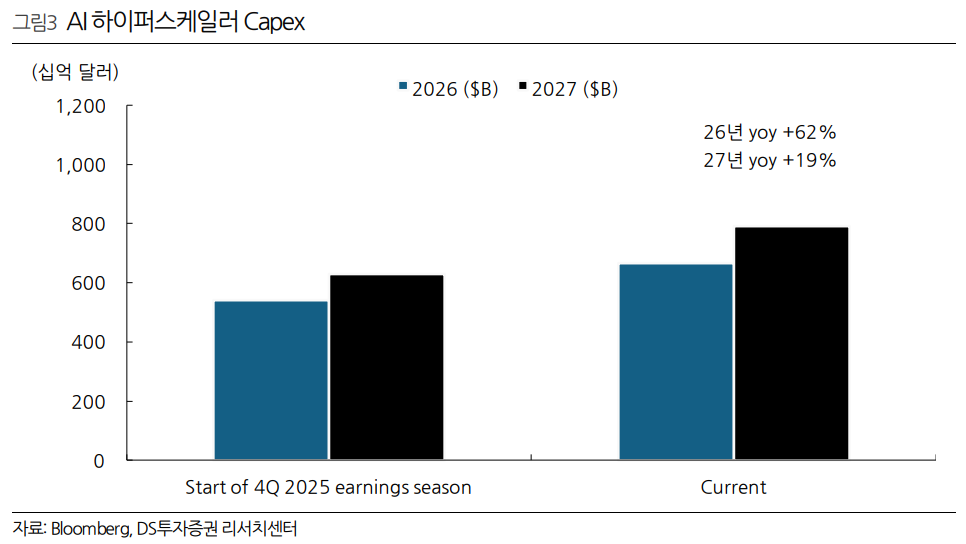
Yang argued that the U.S. faces a prisoner's dilemma on AI: if the U.S. cuts investment, leadership could pass to China; if big tech scales back, rivals will seize market share. That dynamic, he said, forces continued investment.
He concluded that while Trump's ultimatum over the Strait of Hormuz could trigger short-term strikes and heighten market fear, sustained negotiations would likely push oil below $85 and return markets to an AI-driven cycle.