From the U.S. and Europe to China, the 'Frozen Kimbap' Craze
CJ CheilJedang standardizes quality with fully automated production
Pulmuone posts KRW 10 billion in China, boosts local price competitiveness
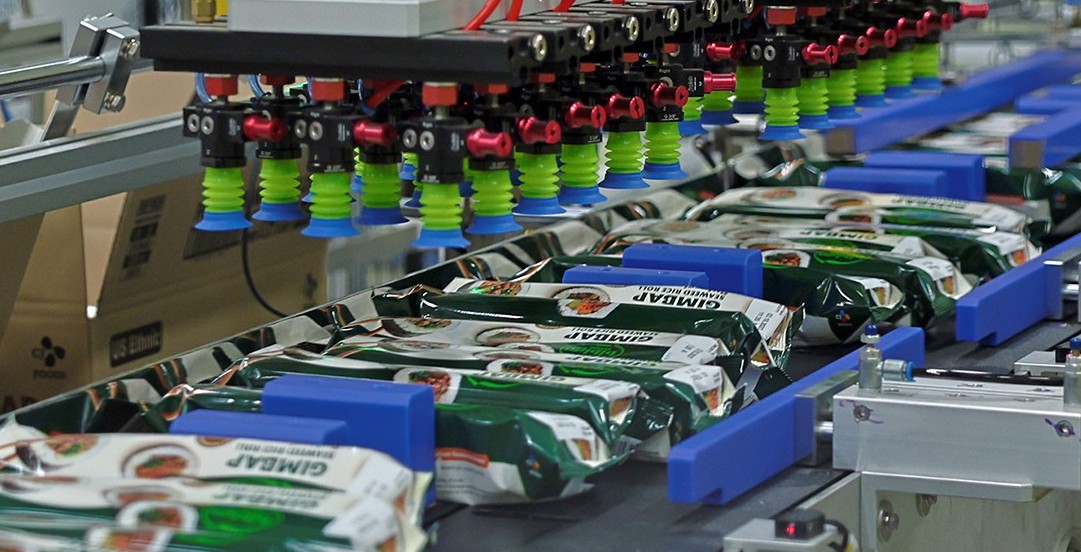
Kimbap from South Korea is no longer a fleeting trend — it's fast becoming a mainstream global food category. After CJ CheilJedang installed the industry's first large-scale automated production system to secure steady supply, other major food companies like Pulmuone are ramping up local production and distribution to accelerate K-kimbap's global expansion.
CJ CheilJedang said on the 25th that it has built the food industry's first automated frozen-kimbap production facility at its CJ Blossom Campus in Jincheon, North Chungcheong Province. The move aims to resolve supply shortages that followed sellouts at Trader Joe's in the U.S., and to capture market share through mass production.
The new production line automates every step — from loading ingredients to slicing and plating the kimbap. CJ CheilJedang spent about 18 months developing the equipment to increase throughput and reduce weight variation between products, improving overall production stability. The process was designed to meet strict global hygiene standards.
They've also upgraded taste and texture. By using frozen-rice cooking techniques, the rice keeps a pleasant bite and a glossy finish. Each ingredient receives precise heat treatment at the ideal temperature and duration to preserve its color and texture. Rapid-freezing technology optimized for kimbap helps ensure top quality throughout distribution.
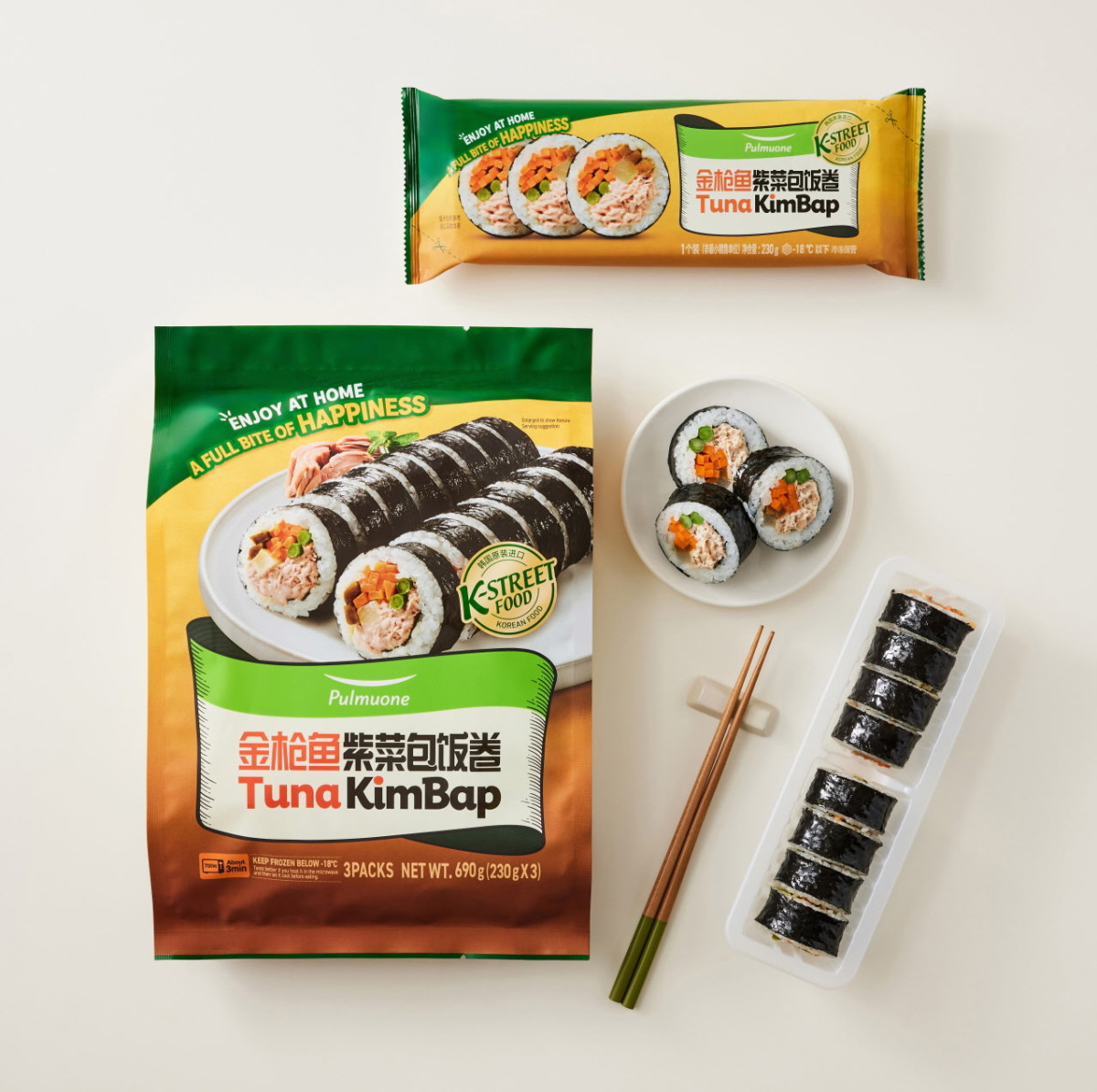
Pulmuone was the first Korean food company to break into China’s mainstream market and has posted impressive results. Starting in Q3 2024, Pulmuone began exporting frozen kimbap to China's mainstream channels. Its Korean-style Tuna Kimbap, launched through Sam's Club, surpassed KRW 10 billion in sales in about a year (approximately 7.5 million USD).
To sustain sales growth and improve profitability, Pulmuone switched to local production of frozen kimbap at the end of last year. That shift cut logistics and tariff costs and allowed the company to lower consumer prices by about 35% compared with its previous export pricing.
Smaller domestic companies like Olgot originally paved the way for the frozen-kimbap market. With a major player like CJ CheilJedang entering the space, the industry now has greater supply stability and standardized quality. Automated facilities that meet global retailers' strict hygiene standards should boost consumer trust in K-kimbap brands and help the product move beyond a trend into a lasting category.
\"As K-food exports expand from ramen and raw ingredients into ready-to-eat items like kimbap, competition will intensify across retailers and food companies to strengthen frozen-kimbap lineups and develop ingredients tailored to local tastes,\" an industry source said.