|
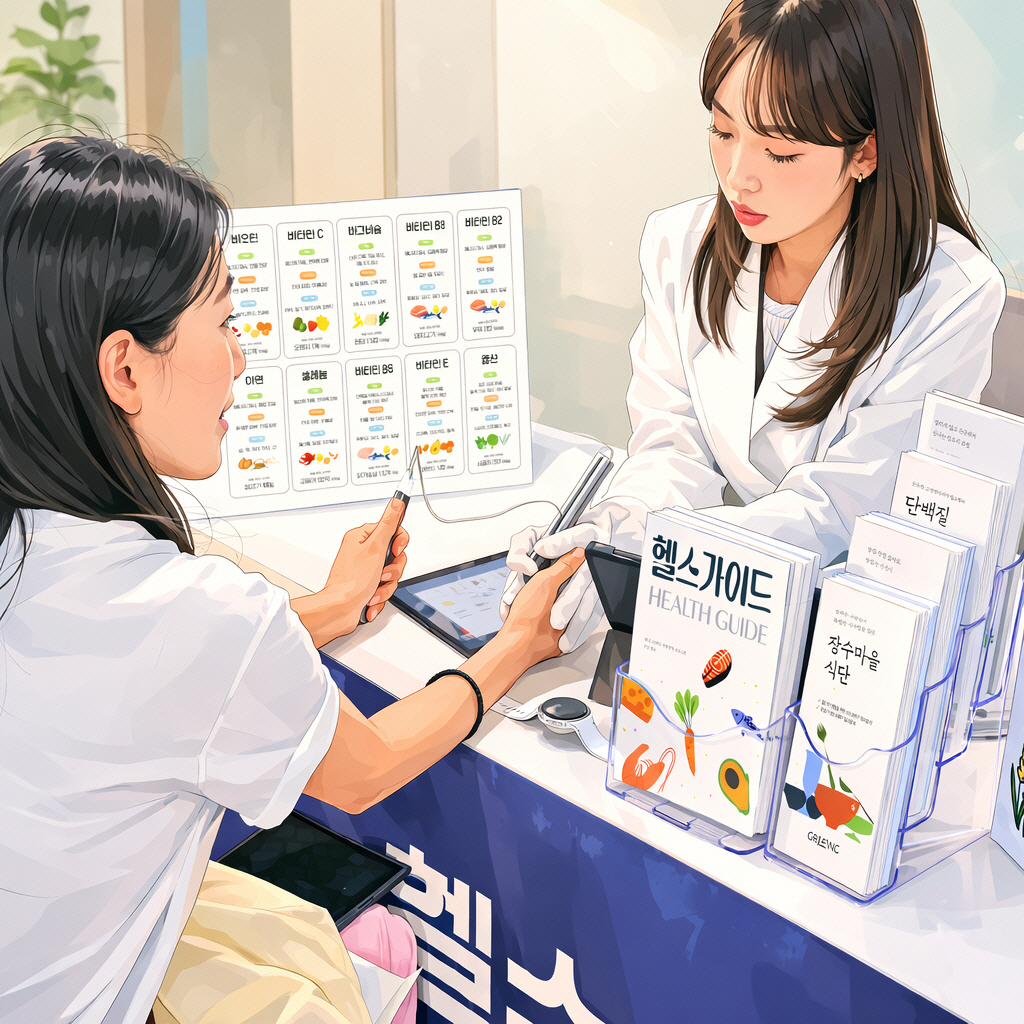
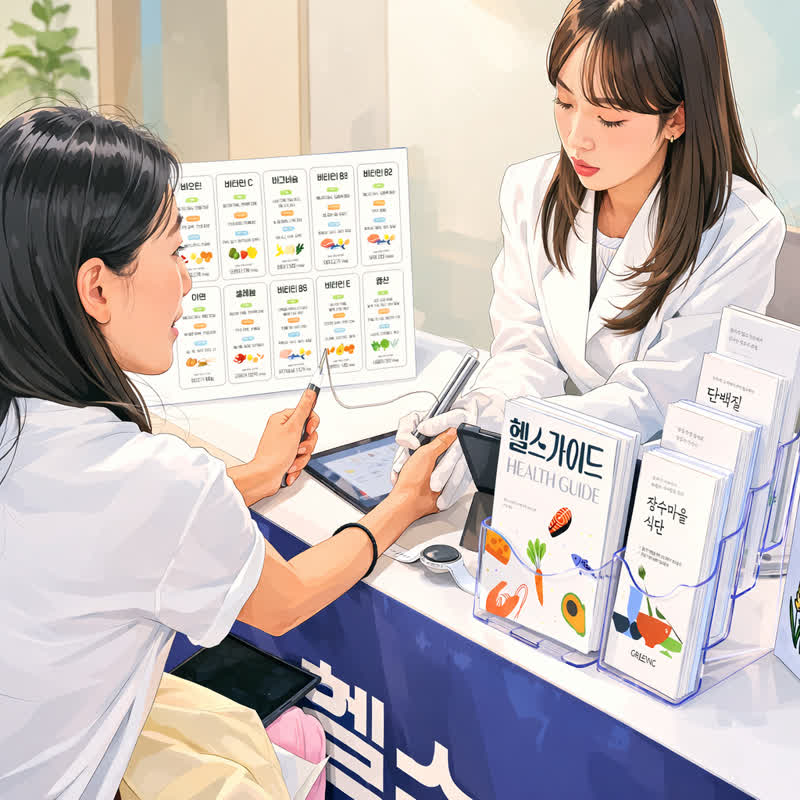
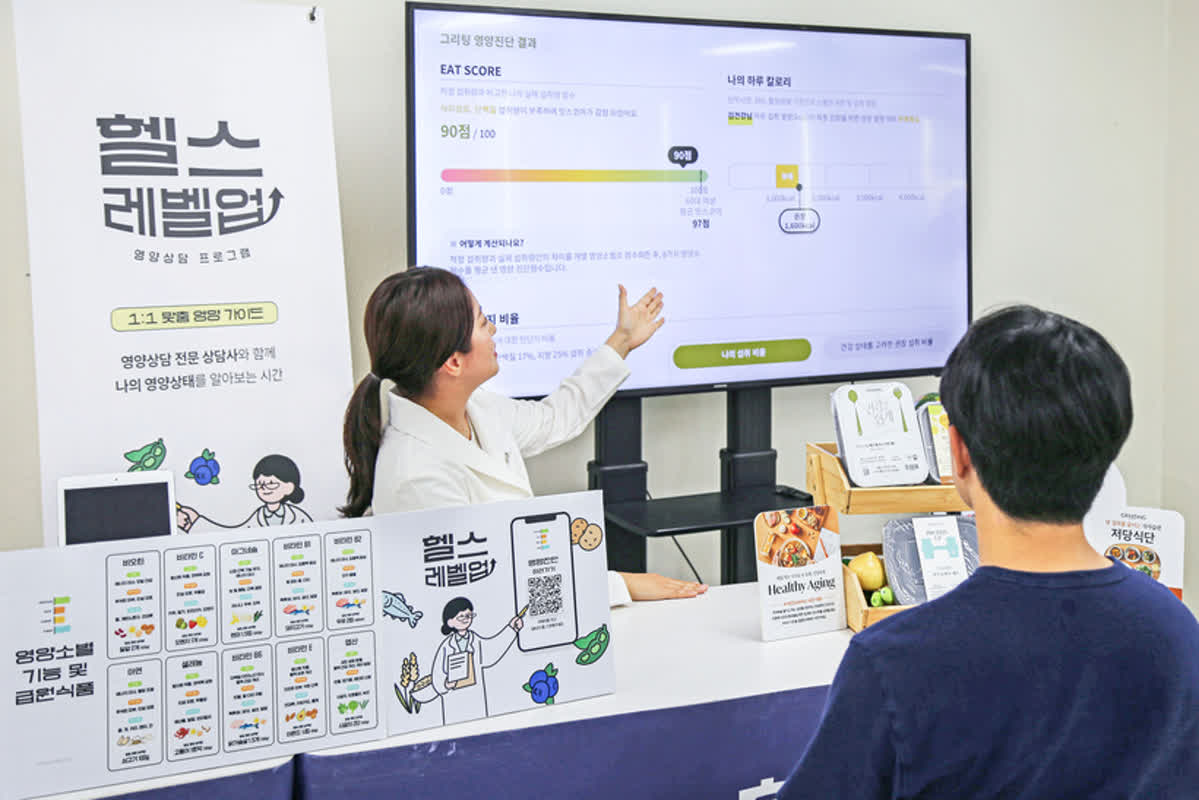
On the 17th, the Hyundai Department Store Group said Hyundai Green Food won the patent for the Griting Nutritional Diagnosis service, which operates on its online store, Griting Mall, and the Griting Care mobile app. Consumers input basic body data (age, sex, weight, height), existing health conditions and eating habits; an AI algorithm then evaluates nutritional status and recommends tailored meal plans and ingredients.
The patent signals a step-change for the company’s healthcare ambitions. Under its care-food brand Griting, Hyundai Green Food already sells about 680 products, including protein-fortified, low-sugar, low-calorie and softened-texture (chew-friendly) meals. At its dedicated Smart Food Center—built in 2020 with an investment of roughly 100 billion KRW (approximately 75 million USD)—the company produces the largest number of MFDS-certified medi-foods (disease-specific meal plans) in Korea and aims to expand that lineup to 430 items by 2028. It also led the industry with 16 certified senior-friendly products as of the end of last year. Hyundai Green Food plans to evolve these offerings from standalone products into a seamless diagnosis→recommendation→purchase service loop.
Using the patent as a foundation, Hyundai Green Food will work on linking external health-check data and refining its nutritional diagnostic features. It also plans to roll out premium B2B healthcare services: firms could get companywide, customized meal and catering programs based on employee health screenings—an approach that leverages Hyundai Green Food’s scale in group catering and could become a distinct competitive advantage.
Market dynamics support the move. South Korea crossed into an ultra-aged society in 2024, with those 65 and older making up more than 20% of the population. The Korea Agro-Fisheries & Food Trade Corporation (aT) estimates the domestic care-food market has grown more than fourfold—from about 700 billion KRW (approximately 525 million USD) in 2014 to roughly 3 trillion KRW (approximately 2.25 billion USD) last year. If the roughly 7% average annual growth of the past five years continues, the market could top 5 trillion KRW (approximately 3.75 billion USD) by 2030. Experts point to faster aging and shifting attitudes toward health management as the main drivers.
Single-person households are another key factor. Statistics Korea reports that one-person households are on the rise and tend to favor single-serve purchases, ready meals and chilled or frozen options—behaviors that have boosted demand for care-food and made these households a core customer segment.
R&D investment has been growing too. Hyundai Green Food’s R&D spending rose from 1,432,000,000 KRW (approximately 1.07 million USD) in 2024 to 1,711,000,000 KRW (approximately 1.28 million USD) last year, and it used 112,000,000 KRW (approximately 84,000 USD) in government research grants. The company says those investments are helping it diversify products and upgrade services.
Industry observers describe Hyundai Green Food’s strategy as a shift from selling products to delivering health solutions. Offering a free nutritional diagnosis that leads to recommended meal purchases could both drive sales and build customer loyalty.
A Hyundai Green Food representative said, \"Uncertainty in the domestic and international business environment persists—driven by global trade tensions, geopolitical conflicts and technology competition. We will refine the related technologies and services, leveraging our nutrition research data and food-manufacturing capabilities, to strengthen our competitive position in the domestic care-food market.\"