Korea Federation of Teachers' Associations Statement
Calls for Effective Protections Against Serious Violations of Teacher Rights
Calls for Effective Protections Against Serious Violations of Teacher Rights
After a student severely injured a teacher in an assault at a middle school in Gwangju, Gyeonggi Province, teachers' organizations demanded immediate reforms to better protect educators' rights.
The Korea Federation of Teachers' Associations (KFTA) and the Gyeonggi Federation of Teachers' Associations issued a joint statement on the 8th, calling the incident not a mere lapse but a grave crime that undermines the foundation of public education. They said authorities must act promptly to implement effective protections against serious infringements of teachers' rights.
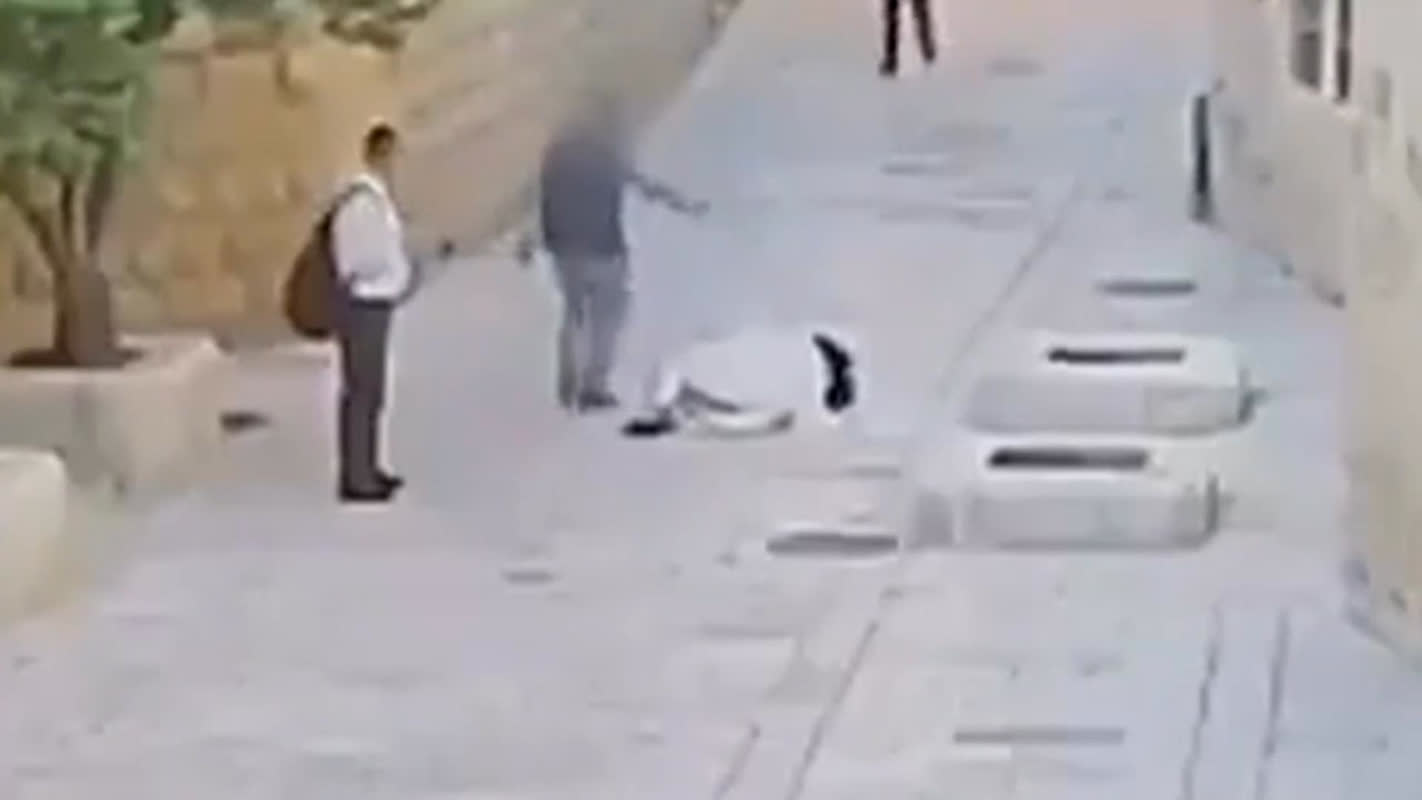
On the 31st of last month, during a gym class at the school, a male student assaulted a female teacher, who sustained injuries with a roughly six-week recovery prognosis and was taken to the emergency room. The Gwangju-Hanam Office of Education plans to convene the Teacher Rights Protection Committee on the 20th to review the case.
The KFTA warned that responses from society, the government, and political leaders have been inadequate despite a sharp rise in attacks on teachers. A December report from the National Assembly Library shows incidents of injury, assault, and sexual violence against teachers totaled 675 in 2024 and 389 in the first half of 2025 — roughly 3.5 to 4.1 incidents per school day.
KFTA President Kang Joo-ho asked, “How can normal education and reform proceed while teachers face physical attacks?” He urged authorities to treat such cases with the severity of major criminal offenses under the penal code, noting that victims often carry lifelong trauma.
He also criticized existing policies, pointing out that student-on-student violence is recorded in student records and can affect college admissions, while assaults on teachers leave no lasting record even if the student is transferred or expelled. He called this a clear case of reverse discrimination that sends the wrong signal.
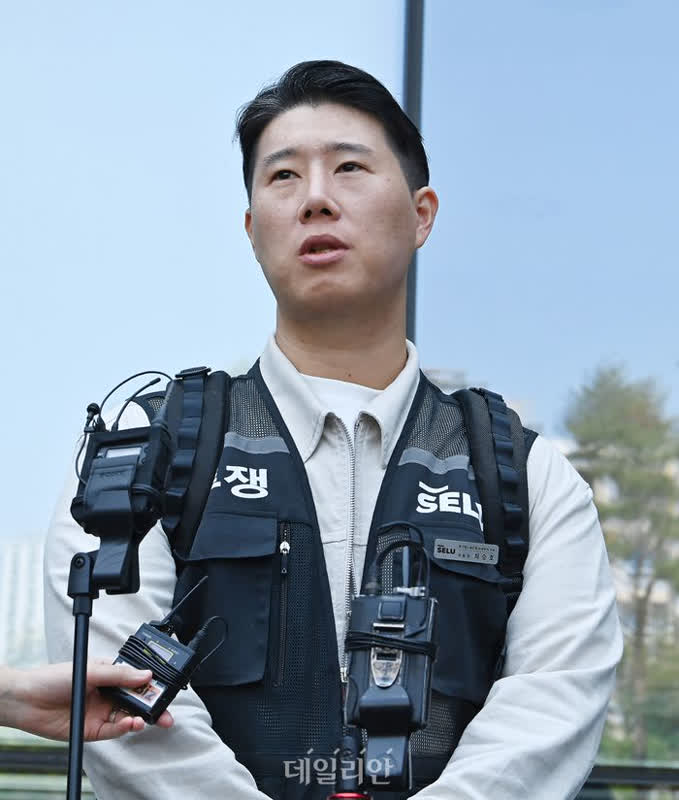
Lee Sang-ho, president of the Gyeonggi Federation, demanded expanded support for victims. He said the current maximum medical assistance of about 2,000,000 KRW (approximately $1,500) per person is insufficient to cover surgery and extended hospitalization for a teacher with injuries requiring a six-week recovery, and he urged the provincial superintendent of education to visit the injured teacher and provide meaningful, strengthened support.
The KFTA said the incident reaffirmed the federation's long-standing call to record serious infringements of teachers' rights in student records, and it urged the National Assembly to promptly pass amendments to the Teachers' Status Act.