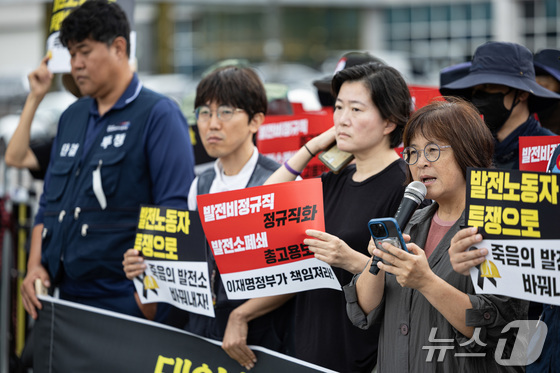
Labor groups pushed back after the South Chungcheong police declined to prosecute executives from Korea Western Power and KEPCO KPS in the death of temporary worker Kim Choong-hyun at the Taean Thermal Power Plant.
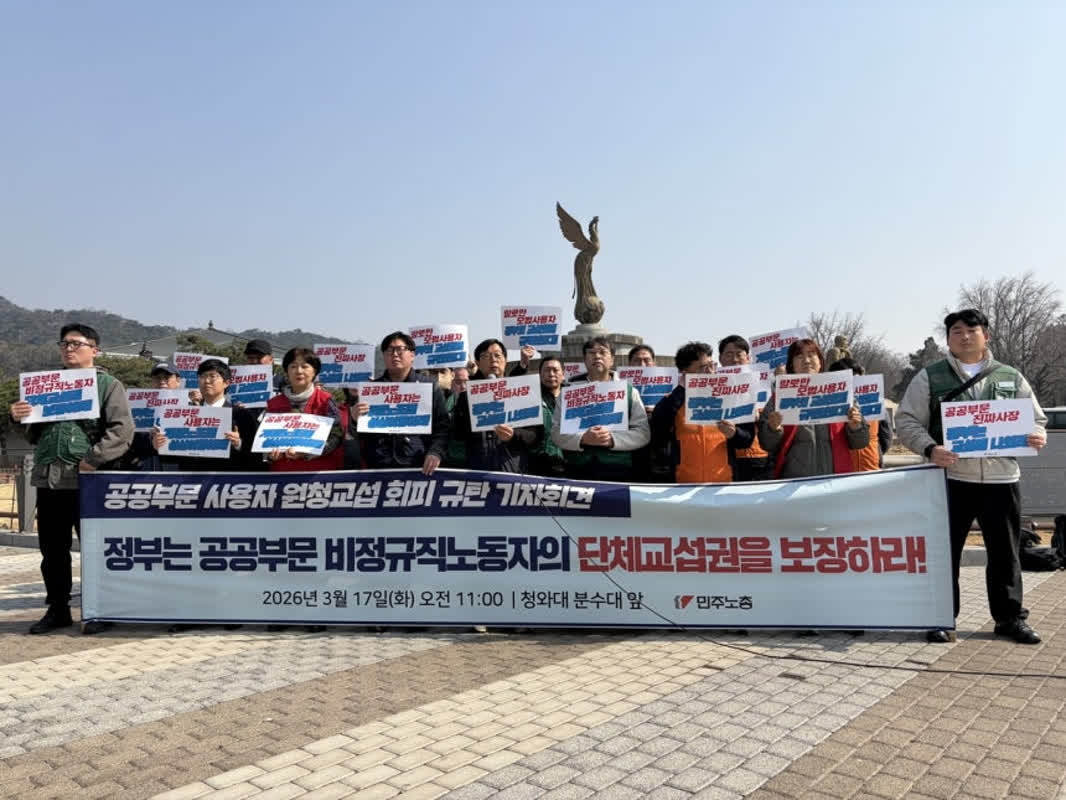
The Committee for Measures on the Death of Temporary Worker Kim Choong-hyun at Taean Thermal Power Plant (the committee) issued a statement on the 10th, demanding that the South Chungcheong Provincial Police Agency withdraw its decision not to prosecute the CEOs and reopen the investigation.
The committee argued that executives at Korea Western Power and KEPCO KPS effectively control and oversee work procedures within a two-tier subcontracting structure that extends to Korea Power O&M. It accused police of repeating a passive, pre-Serious Accidents Punishment Act approach to negligent homicide cases, despite the law’s strengthened accountability for company leadership.
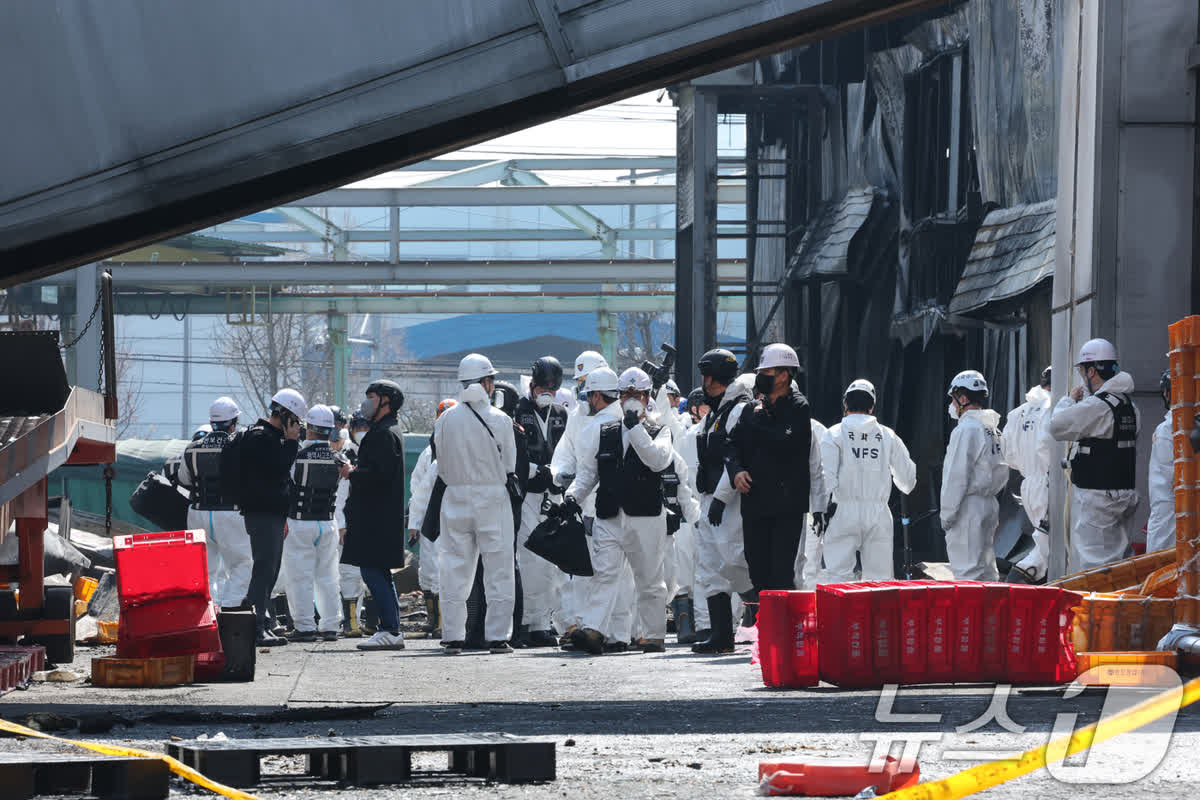
Earlier that morning, the South Chungcheong Provincial Police Agency said it had referred eight supervisors from Korea Western Power, KEPCO KPS and Korea Power O&M to prosecutors on charges of neglecting safety management, without seeking detention.
On June 20 last year at about 2:20 p.m., Kim was cutting damaged power-plant parts in a machine shop on the first floor of the maintenance building at Korea Western Power’s Taean facility when his sleeve became entangled in a rotating machine. He was pulled in, struck by metal and machine parts, suffered multiple injuries and died.
But the police decided not to prosecute three senior executives central to the case—the CEOs of Korea Western Power and KEPCO KPS, and the head of Korea KPS’s Power Safety Business Division.
Kim Sang-hoon, chief of the Criminal Mobile Unit, said investigators did not find sufficient evidence to show a foreseeable breach of a specific duty of care, nor did they find circumstances that would warrant assigning direct responsibility to those executives.
The committee rejected that conclusion, asking who could accept a police finding that Korea Western Power and KEPCO KPS management had no breach of duty or foreseeable risk, given their legal obligation to implement concrete safety and health measures. It called on the police to stop unfairly shifting blame onto frontline workers at the bottom of the subcontracting chain.
It urged prosecutors to order a reinvestigation and to hold those responsible strictly accountable.