A sharp human-rights backlash has erupted over the government’s high-fuel-price relief payments, intended to ease soaring energy costs and inflation stemming from instability in the Middle East. After officials excluded many migrants who live in South Korea and pay taxes, migrant-rights groups filed a collective complaint with the National Human Rights Commission.
Nationality barriers and a discrimination debate amid a universal crisis
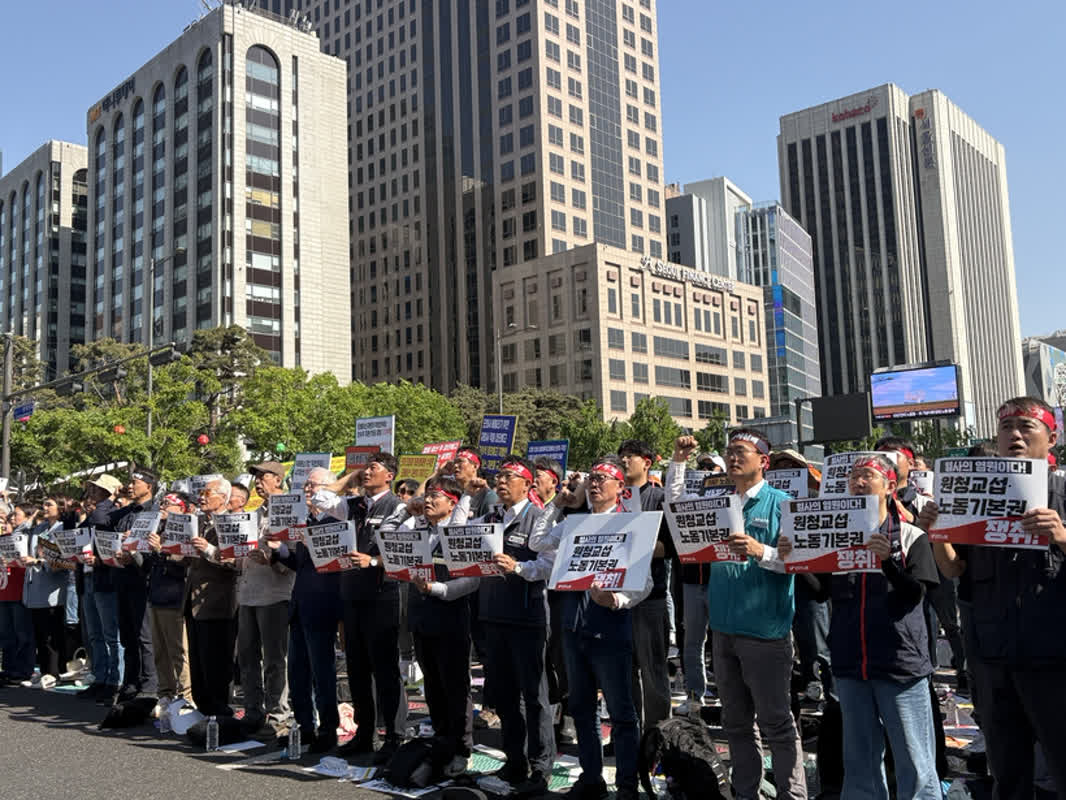
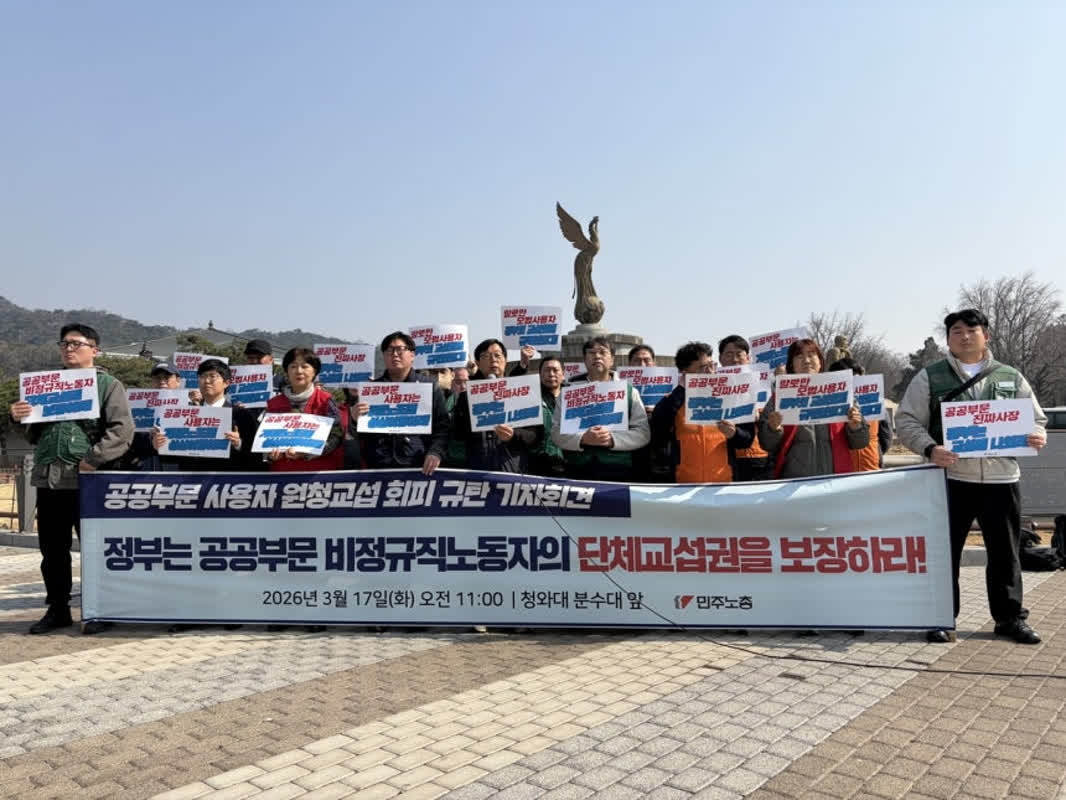
On April 28, migrant-rights organizations, including the Gyeonggi Migrant Equality Coalition, held a press conference outside the National Human Rights Commission and submitted a formal complaint. They argued that excluding migrants from the payouts is arbitrary and lacks reasonable justification. The groups say migrants who work and live within the same economic system as Korean citizens and who share the burden of rising prices should not be excluded simply because they are not listed on the resident registry or lack certain residency statuses; such exclusion, they contend, amounts to a violation of equal-rights protections.
Udaya Rai, chair of the Migrant Workers’ Union, emphasized that the economic shock from high fuel prices cuts across nationality and that migrant workers who contribute to Korean society deserve equal treatment. Activists point out the scale of exclusion: of roughly 2.16 million migrants who have stayed in South Korea for more than three months, over 1.78 million—more than 80%—were left out of the payout, highlighting serious marginalization. Attorney Jin-hye Lee, who represents the groups, added that limiting benefits to permanent residents or marriage migrants is an administratively convenient decision that runs counter to the Human Rights Commission’s prior recommendations.
Why the government introduced the relief payments to stabilize livelihoods
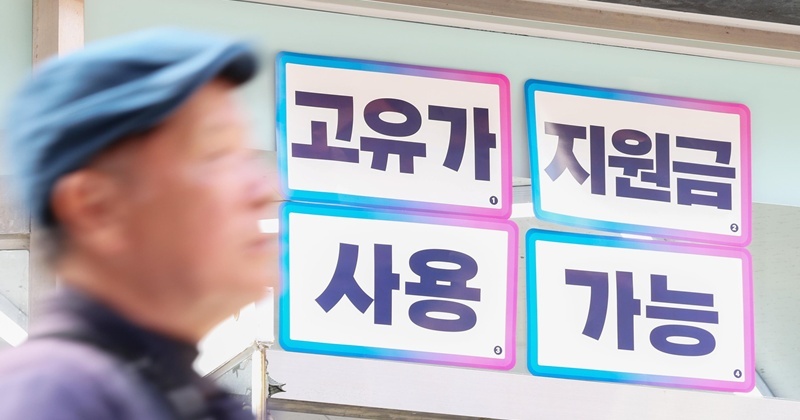
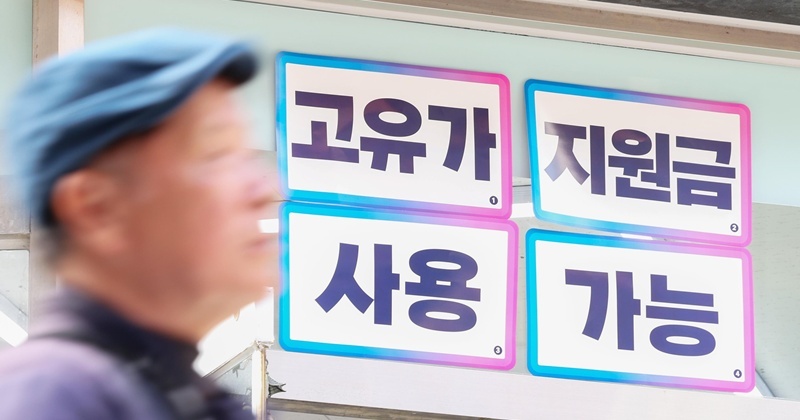
The government’s high-fuel-price relief is a temporary policy measure designed to protect lower- and middle-income households that have seen their cost-of-living burdens rise. With unrest in the Middle East driving up energy prices and eroding real household incomes, the program aims to provide direct relief to affected families.
The program targets roughly 32.56 million people—about the bottom 70% of households by income—and represents a major national initiative financed with a budget in the trillions of KRW (billions of USD). Payments are scaled by income level and place of residence, ranging from 100,000 KRW to 600,000 KRW per person (approximately $75–$450). The initiative seeks not only to offset direct losses from higher fuel costs but also to stimulate local consumption to support small businesses struggling amid an economic slowdown.
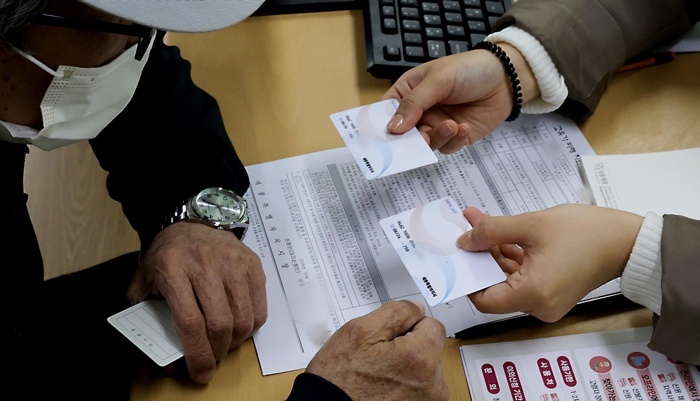
Eligibility and payment tiers by income and residence
To qualify, individuals must have been registered residents in South Korea as of March 30, 2026, and fall within the bottom 70% by income, as determined by national health insurance contributions. The first wave targets vulnerable groups—basic welfare recipients, near-poverty households, and single-parent families—who will receive between 450,000 KRW and 550,000 KRW per person (approximately $338–$413). Residents in depopulation-designated or nonmetropolitan areas receive additional support, with a maximum payout of 600,000 KRW (approximately $450).
For the broader bottom-70% population, payments vary by region. Residents of the Seoul metropolitan area (Seoul, Gyeonggi, Incheon) will receive 100,000 KRW per person (≈ $75); nonmetropolitan general areas will receive 150,000 KRW (≈ $113); government-designated depopulation-preference areas will receive 200,000 KRW (≈ $150); and residents in specially classified depopulation zones will receive the top tier of 250,000 KRW (≈ $188). The tiered structure is intended to support balanced regional development.
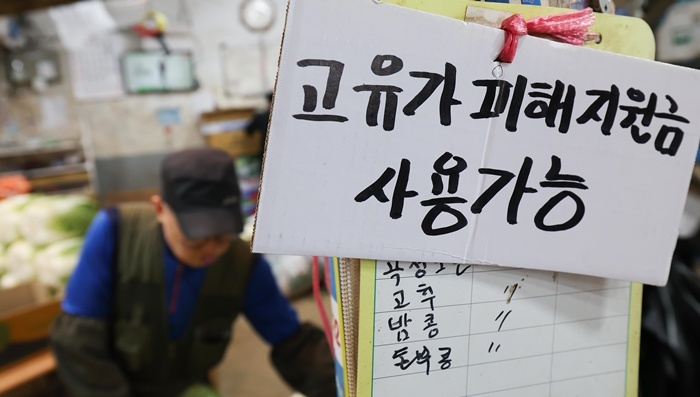
How to apply, where to use the funds, and important notes
Recipients must apply within specified application windows to receive the payments. The first-round application for vulnerable groups runs from April 27 to May 8, 2026; the second round for general households runs from May 18 to July 3. Applications can be submitted online through major credit-card and debit-card company websites or common mobile payment apps, or in person at local administrative welfare centers or bank branches.
Payments will be delivered as credit-card points or regional gift certificates and must be used by August 31, 2026. Any unused balance after the deadline will be automatically reclaimed by the state treasury, so recipients should monitor the expiry date. Funds are restricted to small businesses in the recipient’s local area with annual sales of 3 billion KRW or less (≈ $2.25 million); usage is limited at some types of establishments, including large supermarkets and entertainment venues. The human-rights debate surrounding this high-fuel relief underscores a broader policy question about how inclusive national welfare programs should be.