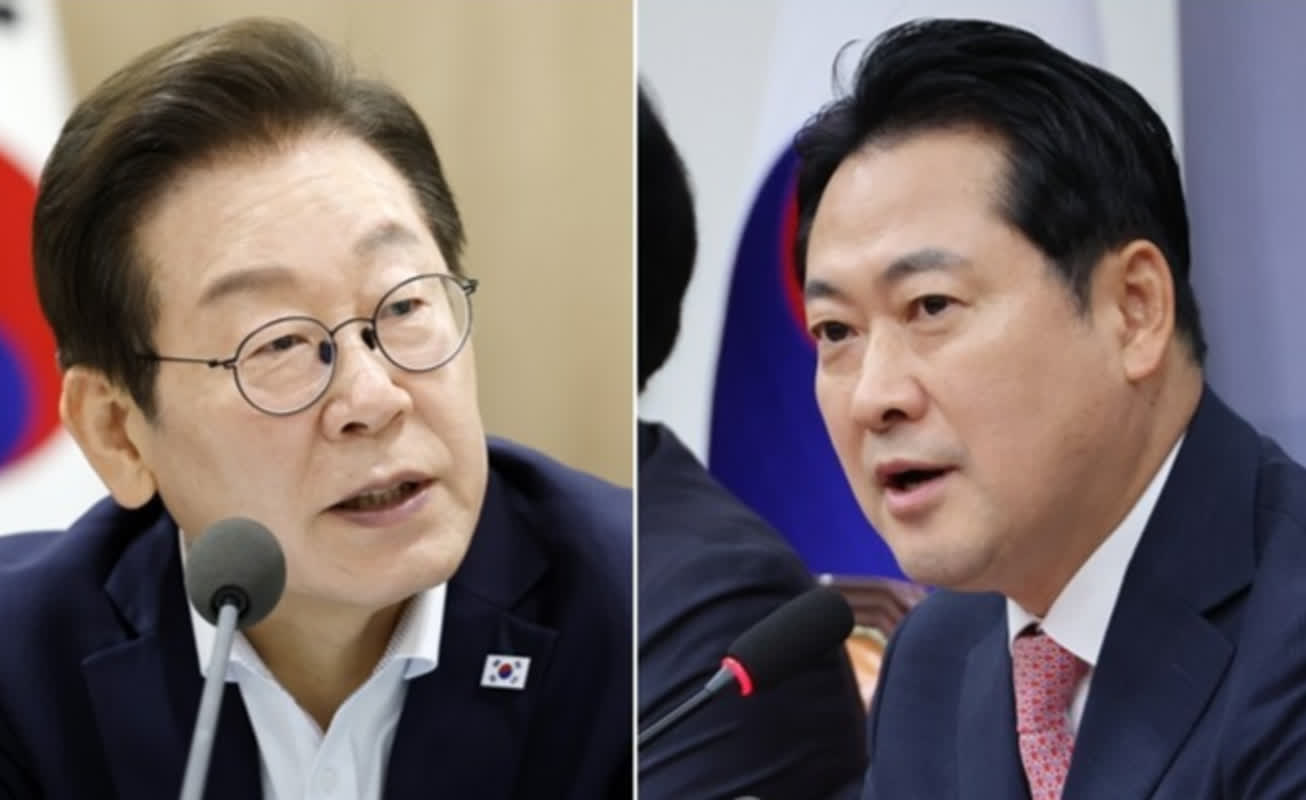
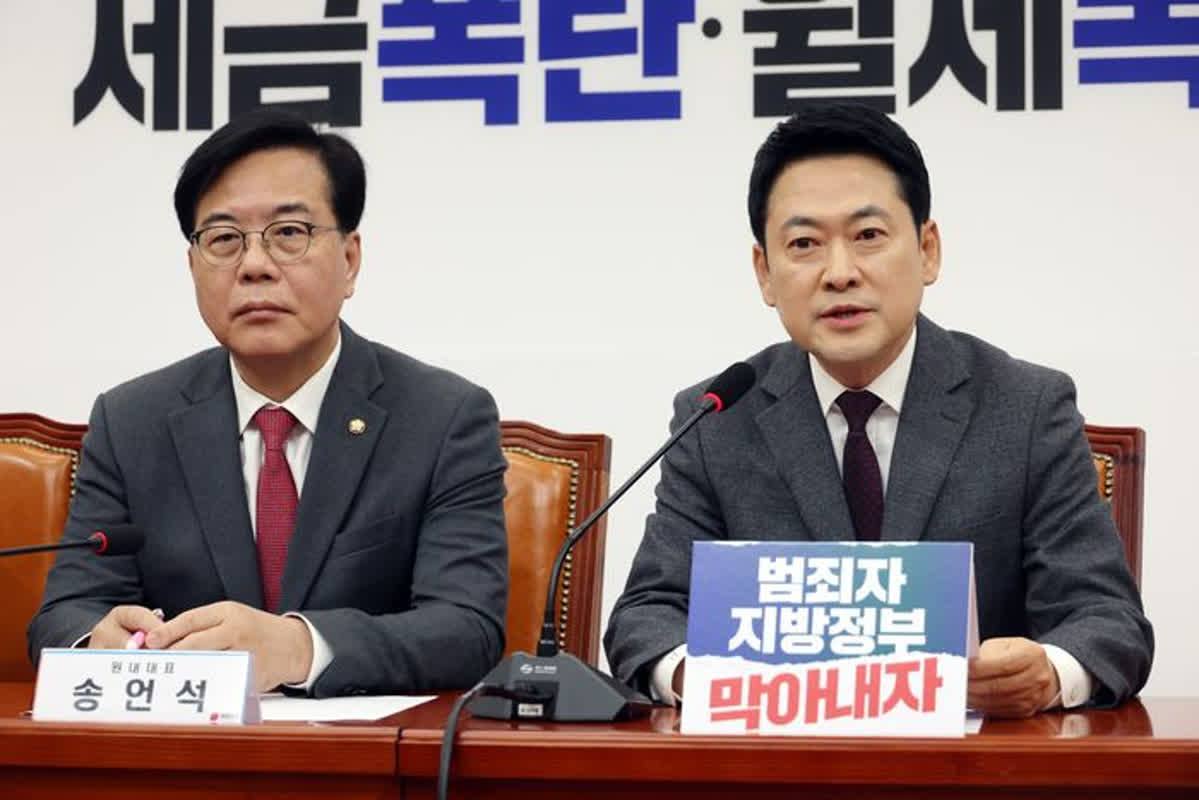
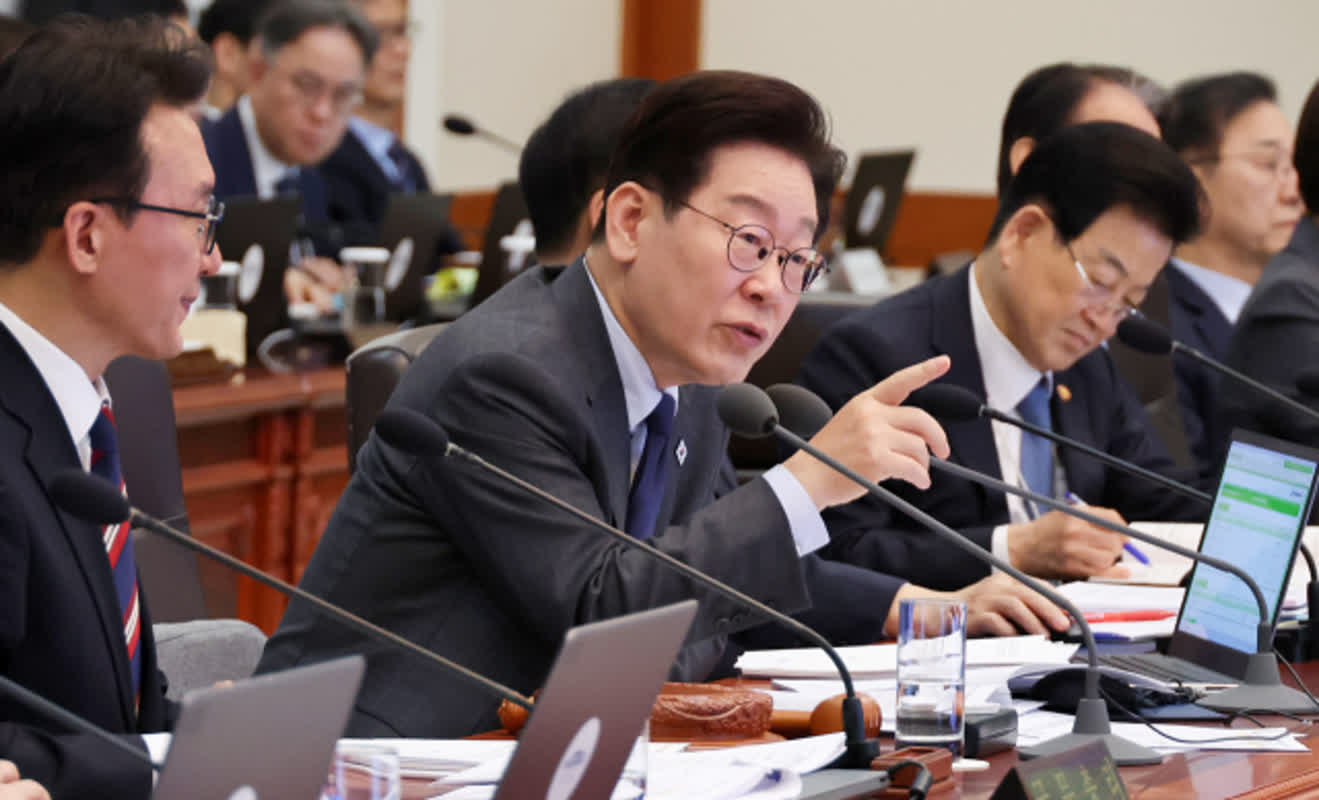
President Lee Jae-myung repeatedly expressed concern on social media about hardliners within his party pressing for stricter changes to the Public Prosecution Office and Serious Crime Investigation Office bills. Still, those hardliners continue to push back, arguing that if the government's prosecution-reform package is implemented as drafted, it would undermine the reforms' intent and carry significant risks.
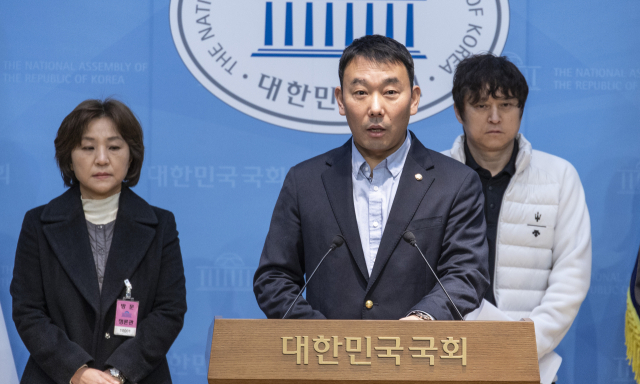
On the 10th, Democratic Party lawmaker Kim Yong-min, a member of the National Assembly's Legislation and Judiciary Committee, told MBC Radio that he could not be certain what the president intended by his recent social media warning—\"Don't burn down the thatched cottage to kill bedbugs\"—which some interpret as aimed at the party's prosecution-reform hardliners.
Kim said the proposed laws are not primarily about separating prosecutors' investigative and charging powers; they are aimed at how to rein in an increasingly powerful police force. He warned that, as drafted, the bills could still allow prosecutors to abuse their authority as in the past, dealing a serious blow to democracy and leaving prosecutors politicized.
Specifically, he argued that if the law is enforced as written, it would in practice require the police to transfer all cases to prosecutors, giving prosecutors at the Public Prosecution Office the authority to close investigations. Under that scheme, once the police open an investigation they could not close it themselves; they would have to transfer every case so prosecutors could finish them. He criticized the bills for effectively creating a vertical structure that places the Public Prosecution Office and the Serious Crime Investigation Office above the police.
He also took issue with the bill's language on the authority to direct warrant requests. Currently, prosecutors do not have command authority over police investigations—his party says it abolished that power. Yet the revised bill would restore prosecutors' control over the most coercive investigative tools, including warrants and forced searches, which would further strengthen prosecutors' powers.
Earlier, when party members objected to elements of the government's Serious Crime Investigation Office bill—such as the proposal to split the agency—the Democratic Party held deliberations and conveyed its views to the government. The government then published a revised bill incorporating those changes, and the party adopted the revised bill as its official position at a party caucus. Now, members of the Judiciary Committee, including Kim, are mounting fresh objections to the government’s revised draft.
Outside the party, the Cho Kuk Innovation Party, which has been allied on prosecution-reform efforts, amplified the hardliners' stance at leader Cho Kuk's press conference, declaring that they \"cannot applaud\" the government's revised draft. That statement has focused attention on whether the Democratic Party's House leadership will seek further amendments.
The party's House leadership, for its part, emphasized that the government bill did not appear overnight. It said the legislation resulted from extensive discussions within the party and between the party, the government and the presidential office, noting that the party held six caucuses and reconvened to adopt the government's revised bill as party policy.
Kim Hyun-jung, the party's floor spokesperson, told reporters after the party strategy meeting that the caucus appended a caveat: if the government's revised bill returns to the party on technical issues, the House leadership and the Judiciary Committee will review it. She said that review is currently under way.
She added that the party intends to move quickly and pass the Public Prosecution Office and Serious Crime Investigation Office bills as soon as possible in March. On calls from the Judiciary Committee for further edits, she said the party has already set the broad framework and will limit discussions to fine technical adjustments.
Meanwhile, the National Assembly plans to take up mostly agreed-upon bills at the plenary session on the 12th, including the Special Act on Investment in the United States. Spokesperson Kim said it will be difficult to place the prosecution-reform bills on the 12th; they are aiming to pass them on either the 19th or the 31st, though the schedule has not been finalized and the only firm goal is to handle them in March.
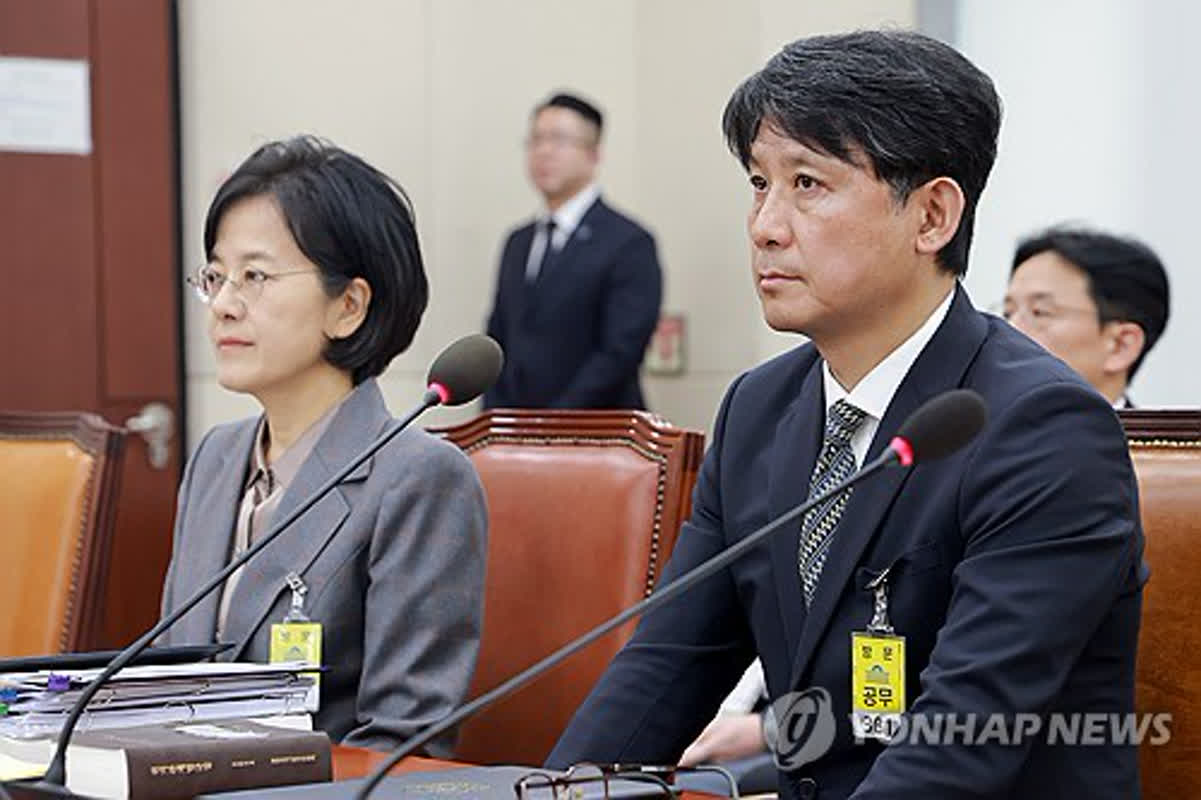
The Assembly will also adopt a hearing plan for Planning and Budget Minister nominee Park Hong-geun at the Finance and Economy Committee on the 16th and hold his confirmation hearing on the 23rd. For Oceans and Fisheries Minister nominee Hwang Jong-woo, the Agriculture, Food and Rural Affairs Committee will adopt the hearing plan on the 11th and hold his hearing on the 23rd.