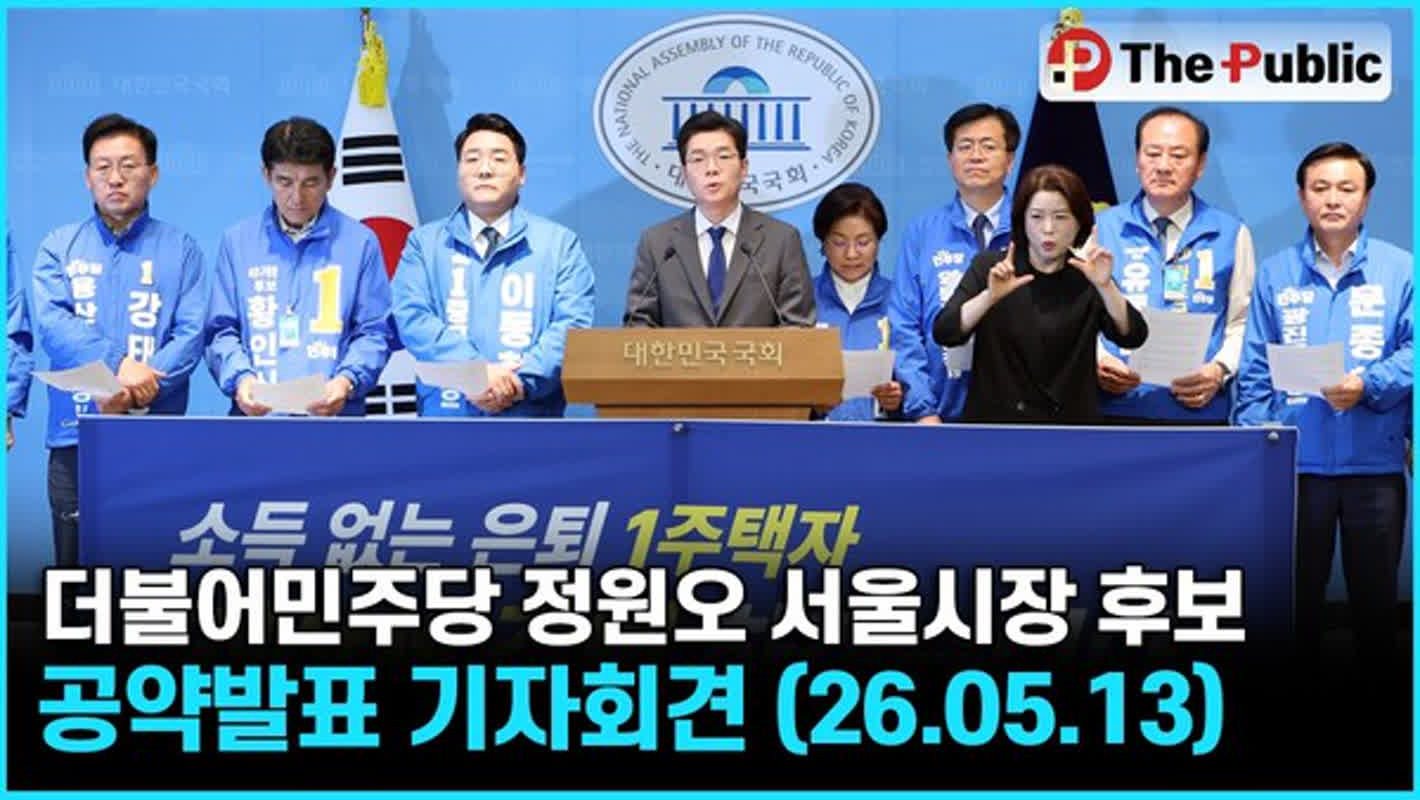
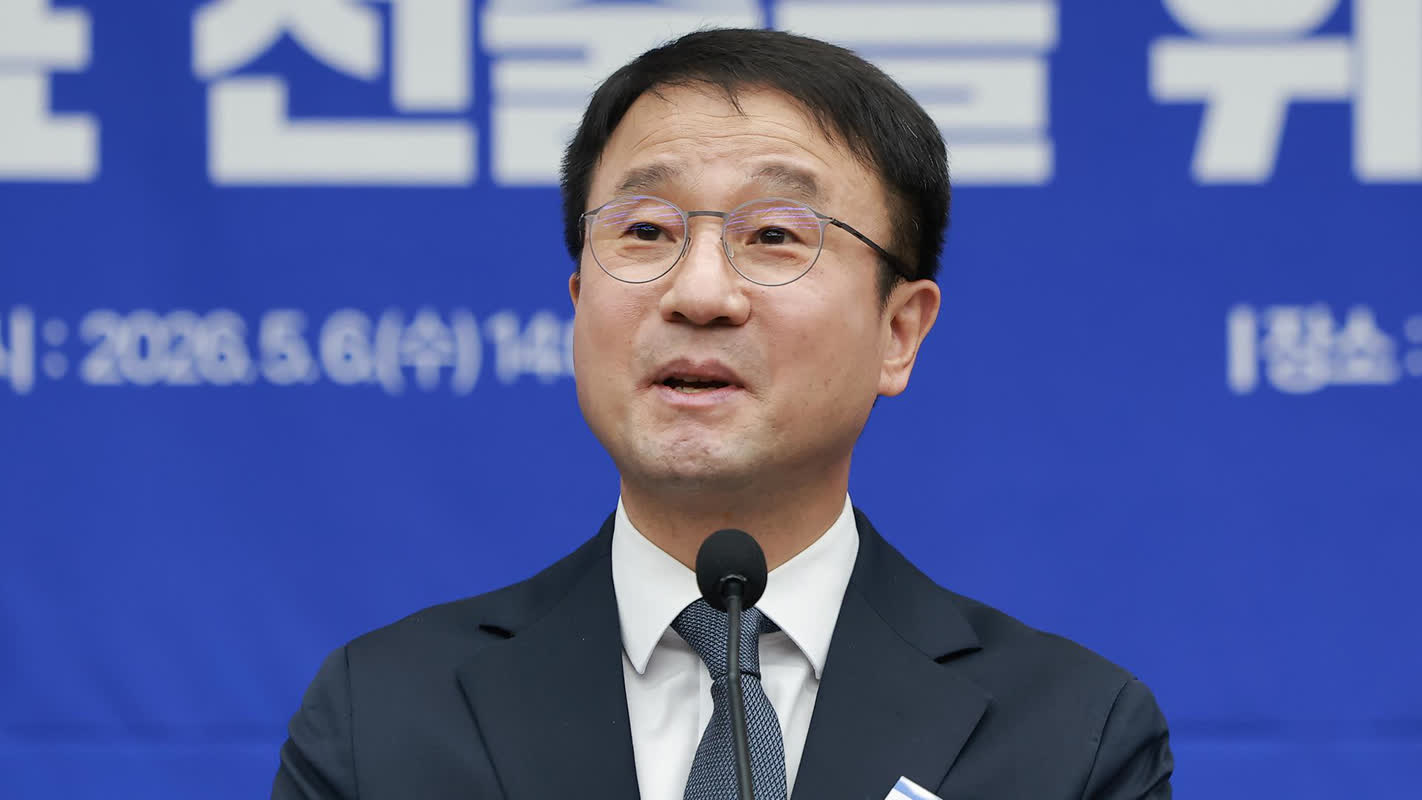
 [Herald Economy=Reporter Yoon Seong-hyun] Jung Won-oh, the Democratic Party of Korea’s candidate for Seoul mayor, unveiled a slate of labor proposals on May 1, Labor Day, saying he would “rebuild a system to protect the rights of working citizens.” He also pressed his chief rival, People Power Party candidate Oh Se-hoon, on labor policy and campaign personnel choices.
According to Yonhap News, Jung wrote on Facebook that “under Oh Se-hoon’s administration, labor policy repeatedly faced calls for cuts and consolidation.” He proposed expanding a “Seoul-style flexible work” initiative as a central labor pledge, promoting telework, remote work, and staggered commuting hours.
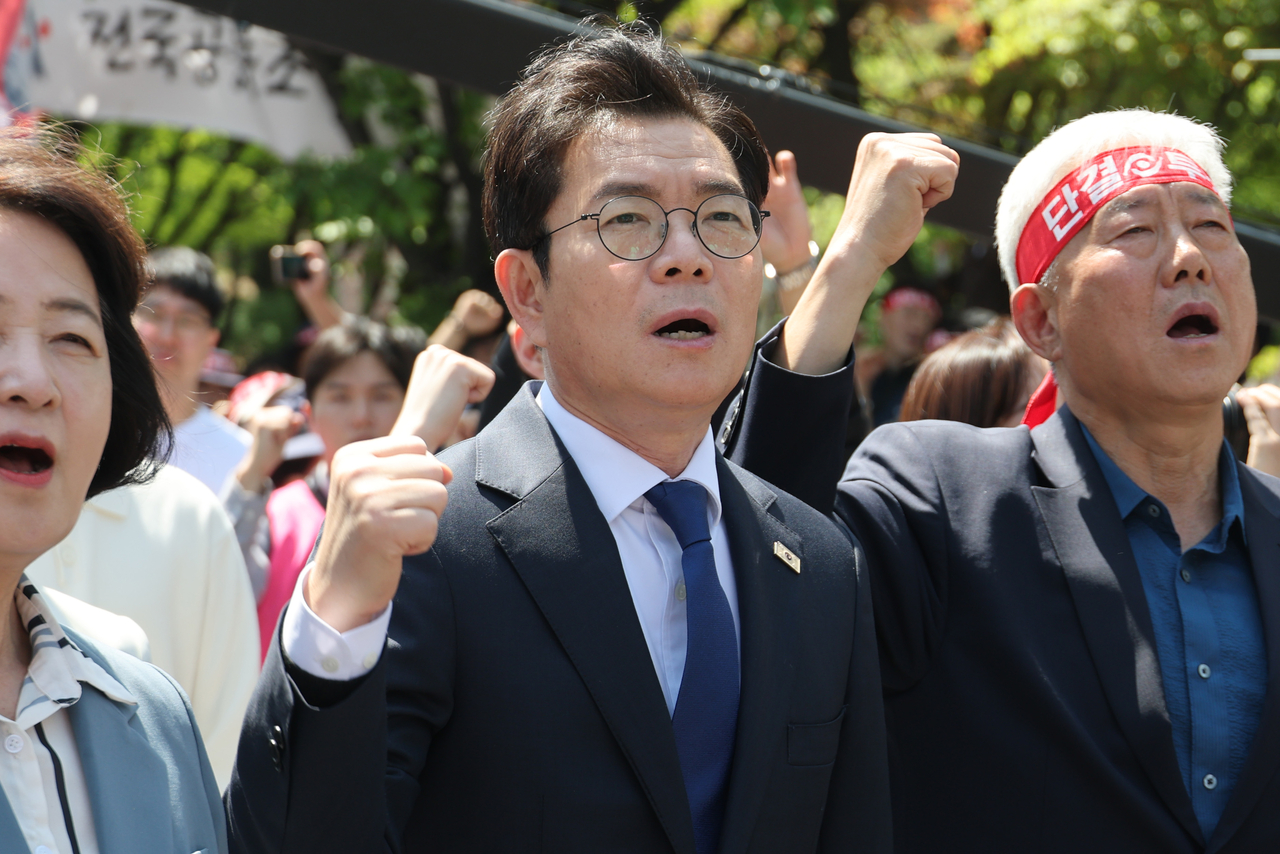
Jung attended a national workers’ rally organized by the Korean Federation of Trade Unions in Yeouido. Accompanied by campaign figures including Gyeonggi gubernatorial candidate Chu Mi-ae and lawmakers Park Hong-bae and Lee Yong-seon, he held a sign reading “Labor Day reclaimed, labor at the center again” to emphasize the day’s significance. Participants also sang labor anthems such as “March for the Beloved” and “Iron Worker.”
Jung’s campaign criticized Oh’s Labor Day activities. Lee Jeong-heon, the campaign’s chief spokesperson, said it was “appalling” that Oh—whom Lee accused of trampling the value of labor—was now invoking labor dignity, fairness and coexistence.
Lee also cited Oh’s record as mayor, noting that he did not use his veto power against a council ordinance to cut TBS support. “He claimed to walk with the vulnerable,” Lee said, “but he never spoke out against the Yoon Suk-yeol administration’s anti-labor policies; he remained a bystander.”
Oh drew additional criticism for remarks aimed at the Samsung Electronics union during a meeting with delivery workers. Kim Hyung-nam, the campaign’s executive chair and spokesperson, called Oh’s comments “deceptive,” arguing that attacking large-company workers while feigning concern for disadvantaged subcontracted workers is misleading. “Citizens won’t be fooled by sloppy divide-and-conquer tactics,” Kim said.
Earlier at a rest facility for mobile workers in Gwangjin District, Oh told delivery riders, “You must feel deeply deprived. Some people at certain companies made headlines asking for performance bonuses worth several hundred million KRW (approximately several hundred thousand USD), so that can be disheartening.”
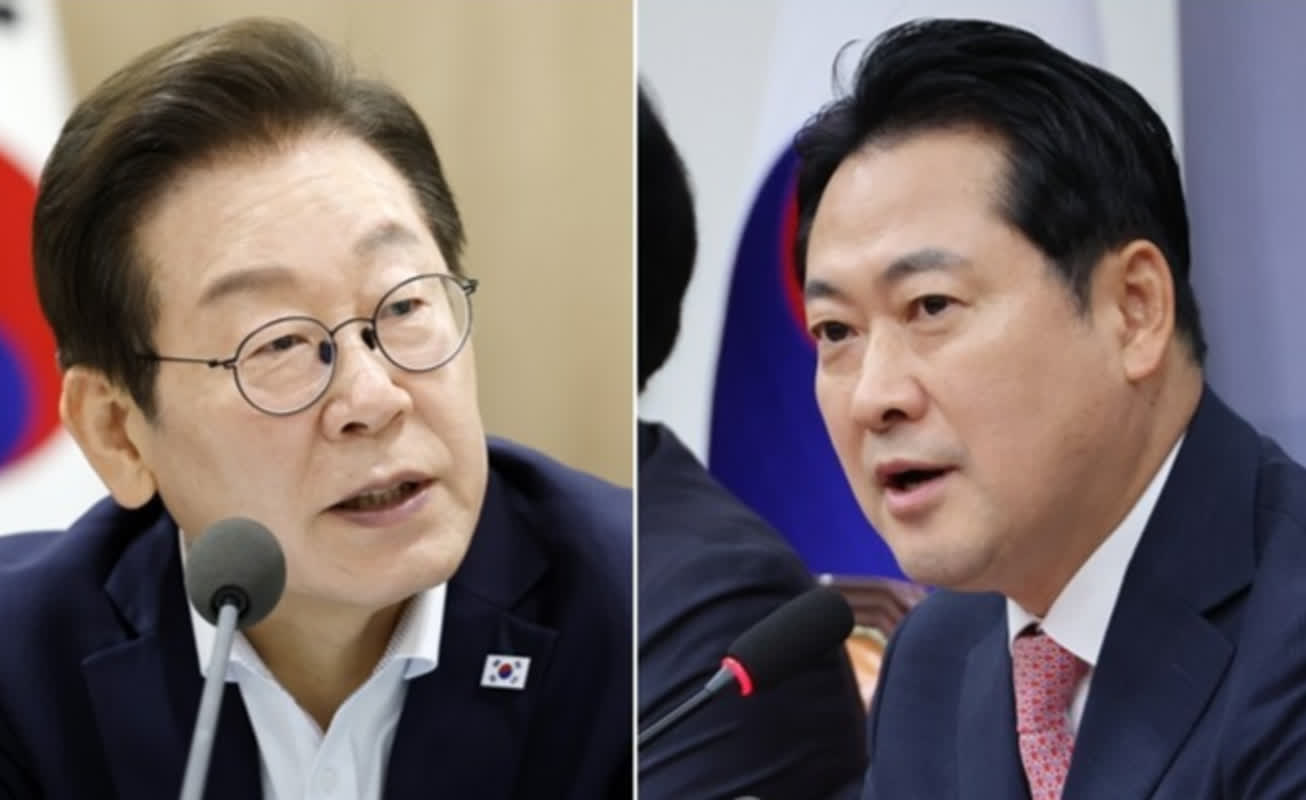
Jung’s camp also criticized Oh’s social media posts and staff choices. Park Kyung-mi, the campaign’s spokesperson, said Oh’s Facebook attack on the Democratic Party’s bill to create a special prosecutor probe into alleged fabricated investigations and prosecutions by the Yoon administration showed he was focused on staging a showdown with the president to boost his political profile.
Park additionally accused Oh of hiring an extreme‑right YouTuber as a message secretary for the mayor’s office, calling his personnel moves “a string of disasters” and urging him to “review your own record before attacking the president.”
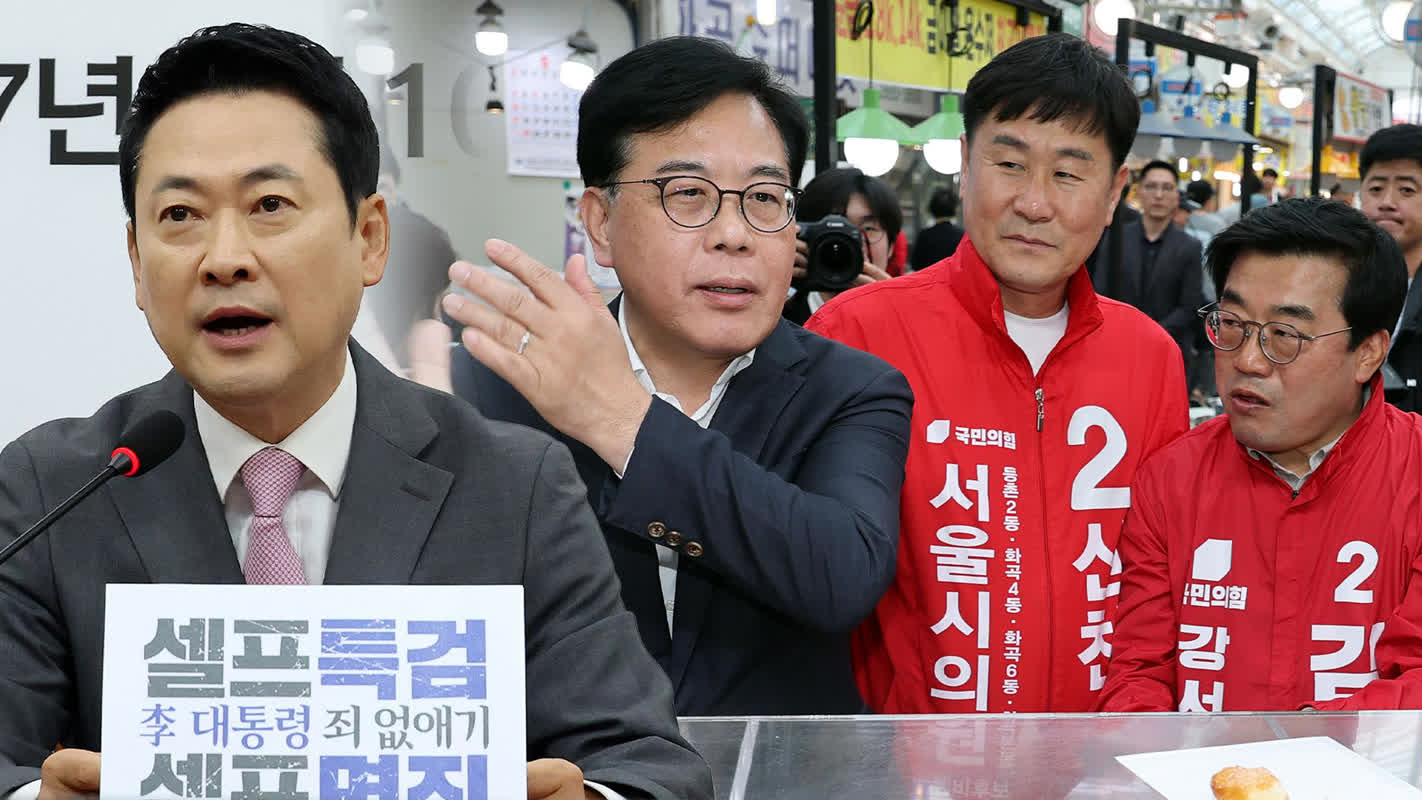
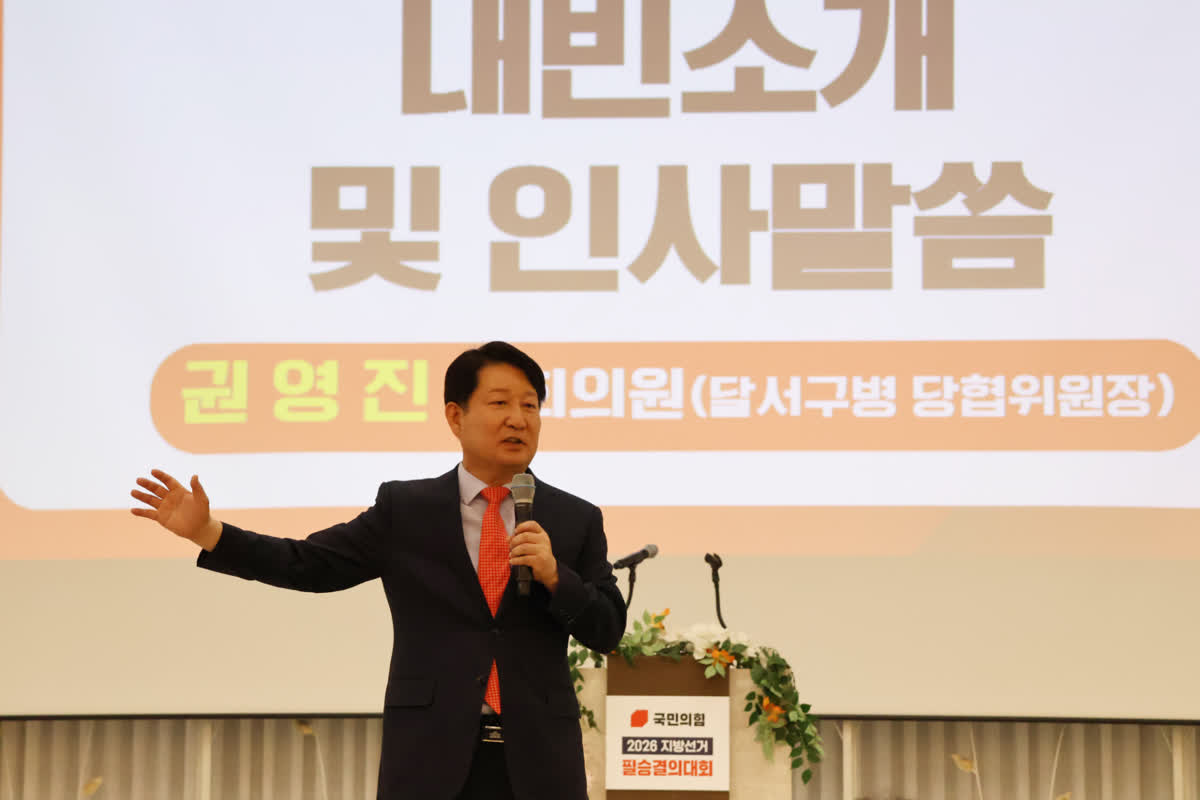
Lee Jeong-heon characterized Oh’s campaign—which includes People Power Party lawmakers Kwon Young-se, Kim Jae-seop and Shin Dong-wook—as “Team Yoon Suk-yeol.” He said Oh’s efforts to stage an “anti‑Yoon show” to distance himself from pro‑Yoon forces cast doubt on his sincerity.
Separately, Jung proposed extending the valid transfer window for public transit when people visit sports and cultural venues. Under the plan, time spent at places such as ballparks, parks and exhibition halls would count toward the transfer period, effectively increasing the current 30‑minute transfer validity.
Jung’s campaign described the proposal as a policy to encourage leisure, cultural and sporting activity while boosting transit use. They called it a “three‑in‑one” measure that could save commuters money, ease traffic and parking congestion, and reduce carbon emissions and fine particulate pollution.