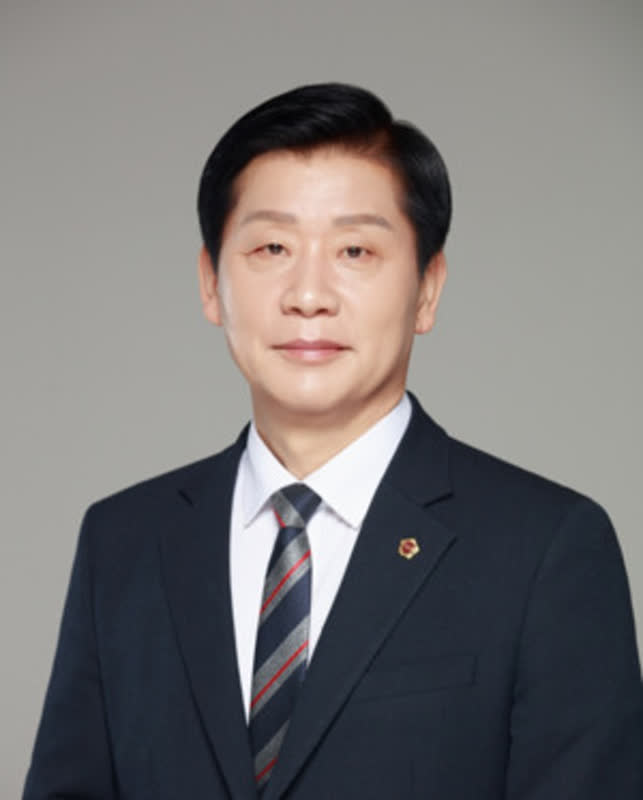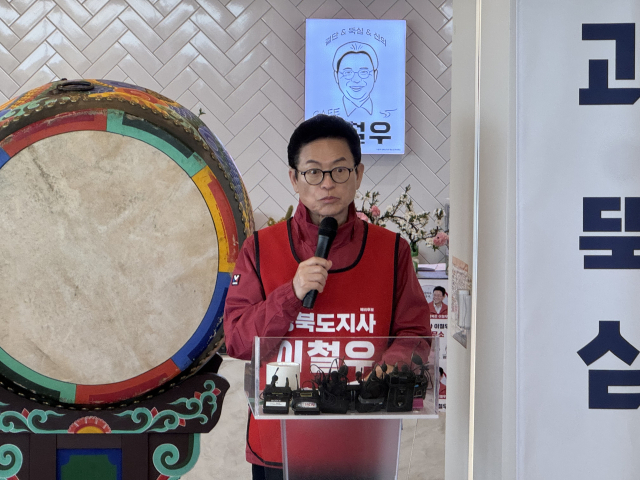
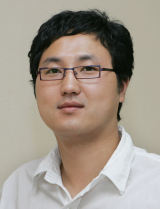
Lee Cheol-woo, the People Power Party candidate for governor of North Gyeongsang Province, began his career as a schoolteacher before moving into national public service. At that turning point he vowed, "I'll devote my life to the country." After serving as the province’s vice governor for political affairs, he won three terms in the National Assembly representing Gimcheon and was elected governor in 2018. Following a bruising primary modeled on the Korea Series, he became the People Power Party’s nominee for governor.
Lee’s résumé spans national security credentials, central-government experience, deep grassroots support and the track record of a re-elected governor. As provincial chief, he has overseen major initiatives—▷ securing the Daegu–Gyeongbuk New Airport ▷ driving an industrial restructuring ▷ confronting low birth rates and regional decline—and built a reputation as an administrator who delivers results.
His struggle with illness is among the most notable chapters. While battling cancer, he kept residents informed about his condition and pushed himself further into governing. When he first entered public service, the young Lee promised he would work for his country until he died.
He refused to step away from the job even briefly. Instead, he compiled a thousand-item checklist and successfully hosted the APEC summit in Gyeongju. His resilience—falling and rising again like a roly-poly toy—became a powerful rallying narrative for conservative voters, offering them renewed hope and confidence.
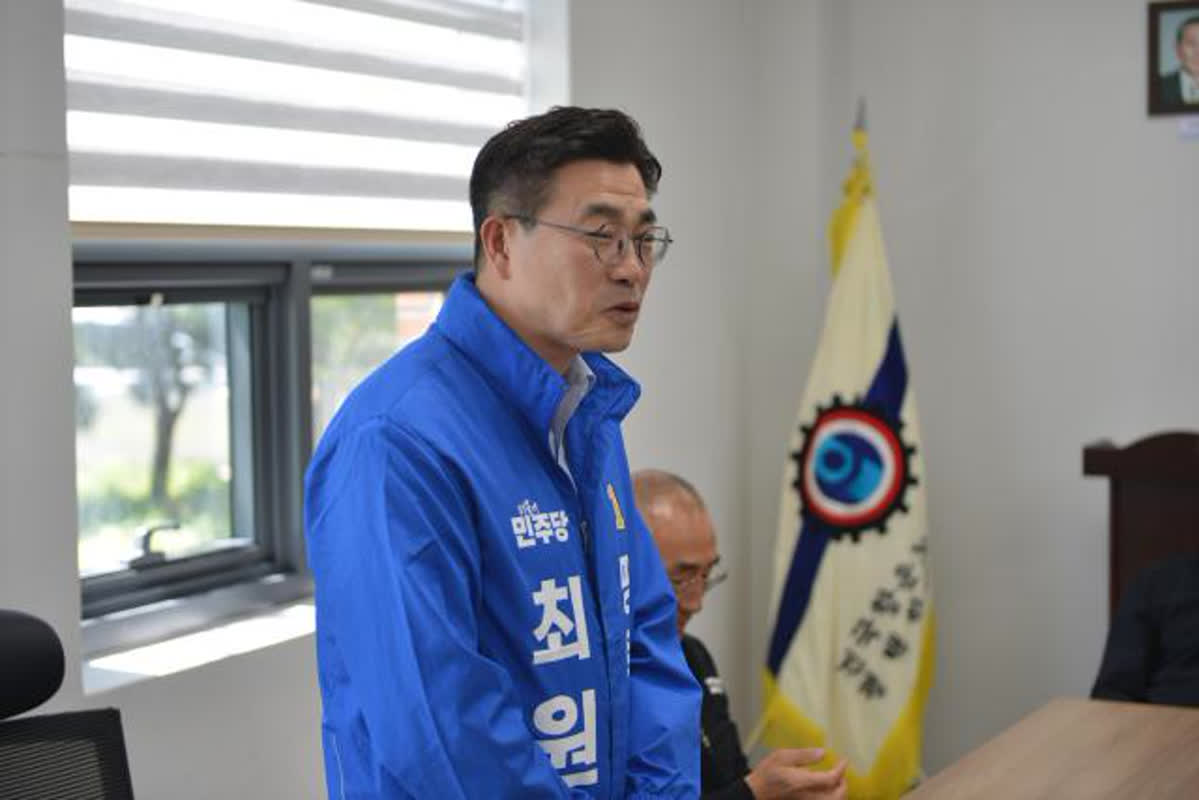
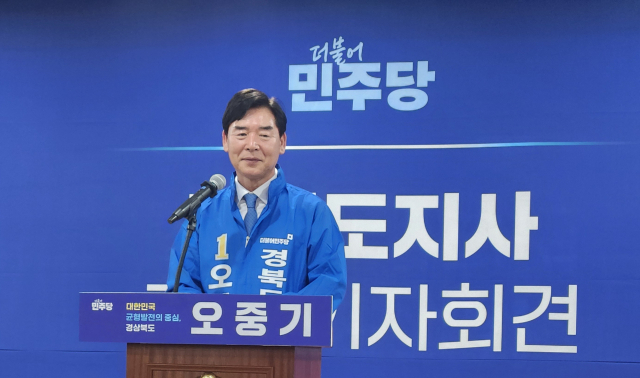
Oh Jung-gi, the Democratic Party’s candidate for North Gyeongsang governor, has a political arc that reads like a drama. As the expression "six losses, seven comebacks" suggests, Oh’s persistence—repeatedly rising after defeat—retains a youthful energy.
Oh’s path has been a sequence of difficult, solitary challenges. He entered politics through labor activism and civil society work and has focused on grassroots, regional engagement rather than pursuing central power. Though he lost two gubernatorial contests and four National Assembly races, he kept returning, quietly sowing the seeds of progressive politics in a traditionally conservative region.
Rather than flashy credentials, continuity and on-the-ground experience became his chief political assets. His steady focus on everyday issues and his refusal to waver when power shifted earned deep trust, and the Democratic Party nominated Oh as its sole candidate without hesitation.
Lee’s recovery and comeback and Oh’s refusal to relent amid thorny challenges trace different trajectories, but both have become significant political assets for North Gyeongsang.
Their stories go beyond individual anecdotes and reflect the qualities voters now demand. If past politics centered on ideology and factional conflict, today’s electorate is evaluating how candidates endure crises and rise again.
But elections do not end with a compelling narrative. Policy, vision and—above all—the fairness of the process determine outcomes. If campaigns abandon fair play, even the most moving drama can descend into chaos.
Pundits are already excited about an eight-year rematch between Lee and Oh for the governorship. Still, the spectacle must not overshadow the core requirement of a fair election.
Like a roly-poly toy, no matter how hard it is pushed down, it rights itself and maintains its balance.
Voters are evaluating not just which candidate appears stronger but who can hold the center and fight fairly to the end. North Gyeongsang residents take pride in repeatedly rising like a roly-poly to steady the nation at crucial moments….