By-election nominations likely won’t be decided until late April
Unclear nomination criteria spur a growing number of candidates
May need a 'strategic primary' to build a unified team
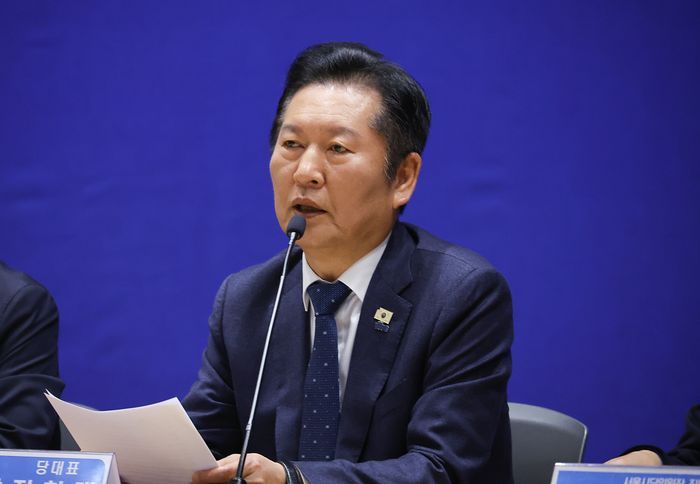
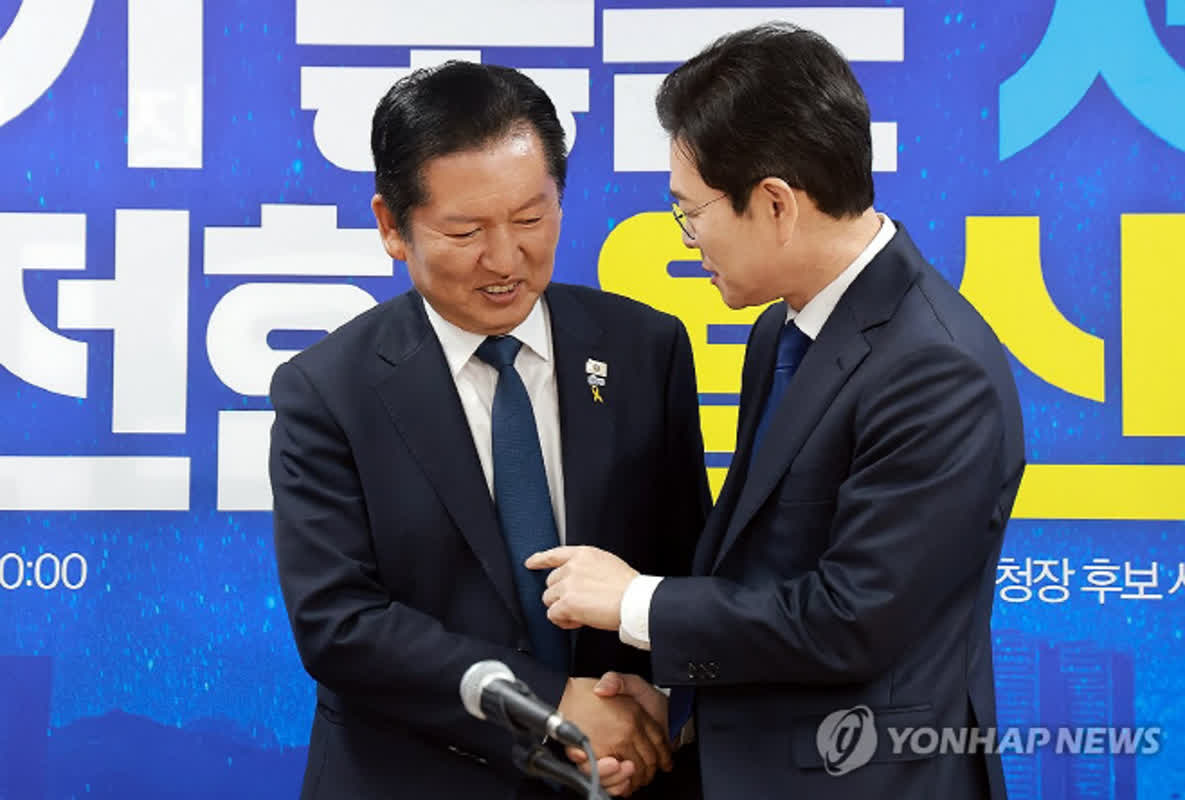
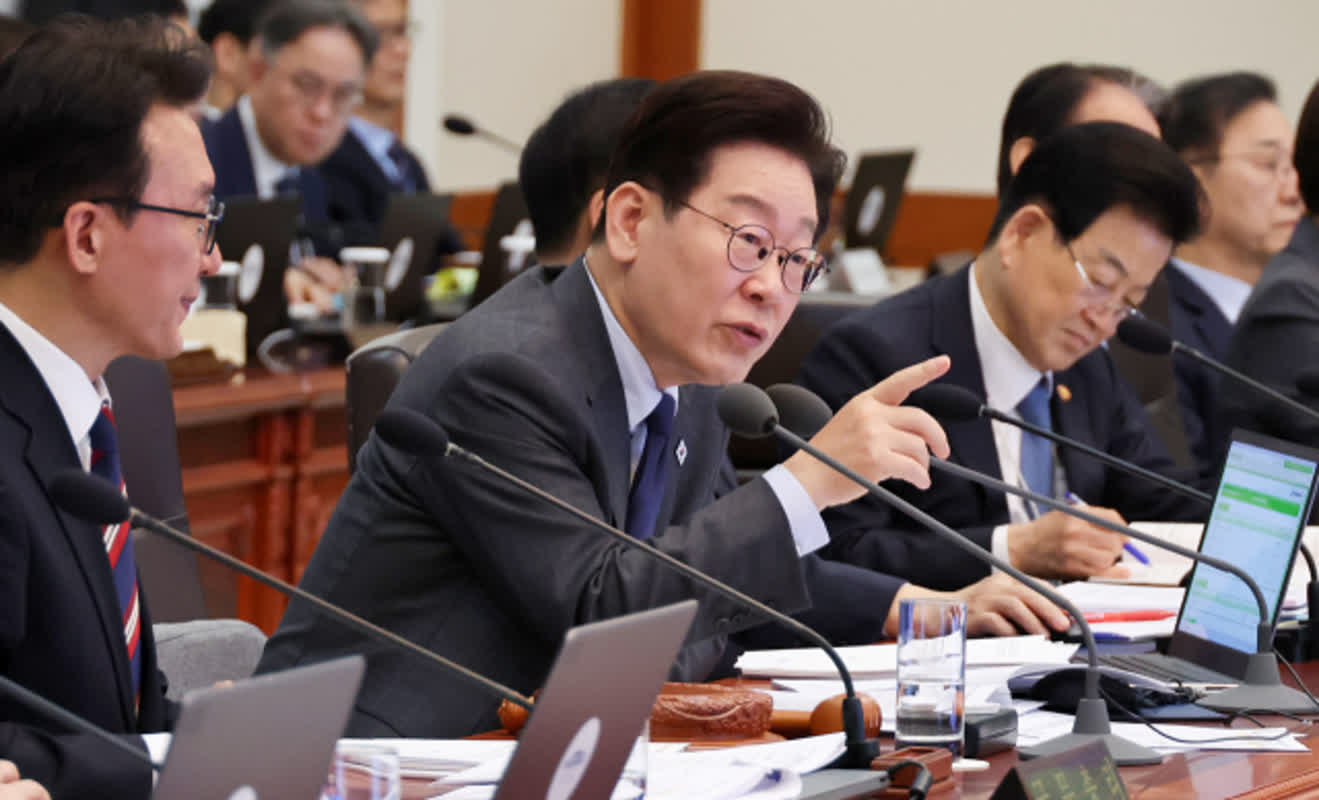
The Democratic Party, following leader Jeong Cheong-rae’s directive, is minimizing candidate cutoffs for the June 3 local elections. Its emphasis on fair primaries has avoided overt internal controversy, but it has also generated fresh grievances around the concurrent by-elections. By putting by-election nominations on the back burner, the party has swelled the pool of hopefuls, leaving many contenders to focus solely on local campaigning for now. With candidate coordination required, attention is fixed on Jeong’s next move.
On the 30th, ruling party sources said Jeong will maintain a "strategic nomination" approach for by-elections held alongside the local vote. He plans to assess the national picture around late April, when local primaries conclude, and then make strategic selections for parliamentary candidates.
To date, five districts have confirmed by-elections: Incheon Gyeyang B; Asan B in South Chungcheong; Pyeongtaek B in Gyeonggi; Ansan Gap in Gyeonggi; and Gunsan–Gimje–Buan Gap in North Jeolla. With lawmakers Park Chan-dae and Kim Sang-wook chosen as final candidates for the Incheon and Ulsan mayoral races respectively, Incheon Yeonsu Gap and Ulsan Nam Gap are also likely to be included. The contest resembles a mini general election, and Gyeyang B and Ansan Gap are emerging as the main battlegrounds, drawing high-profile figures eager to stake their claim.
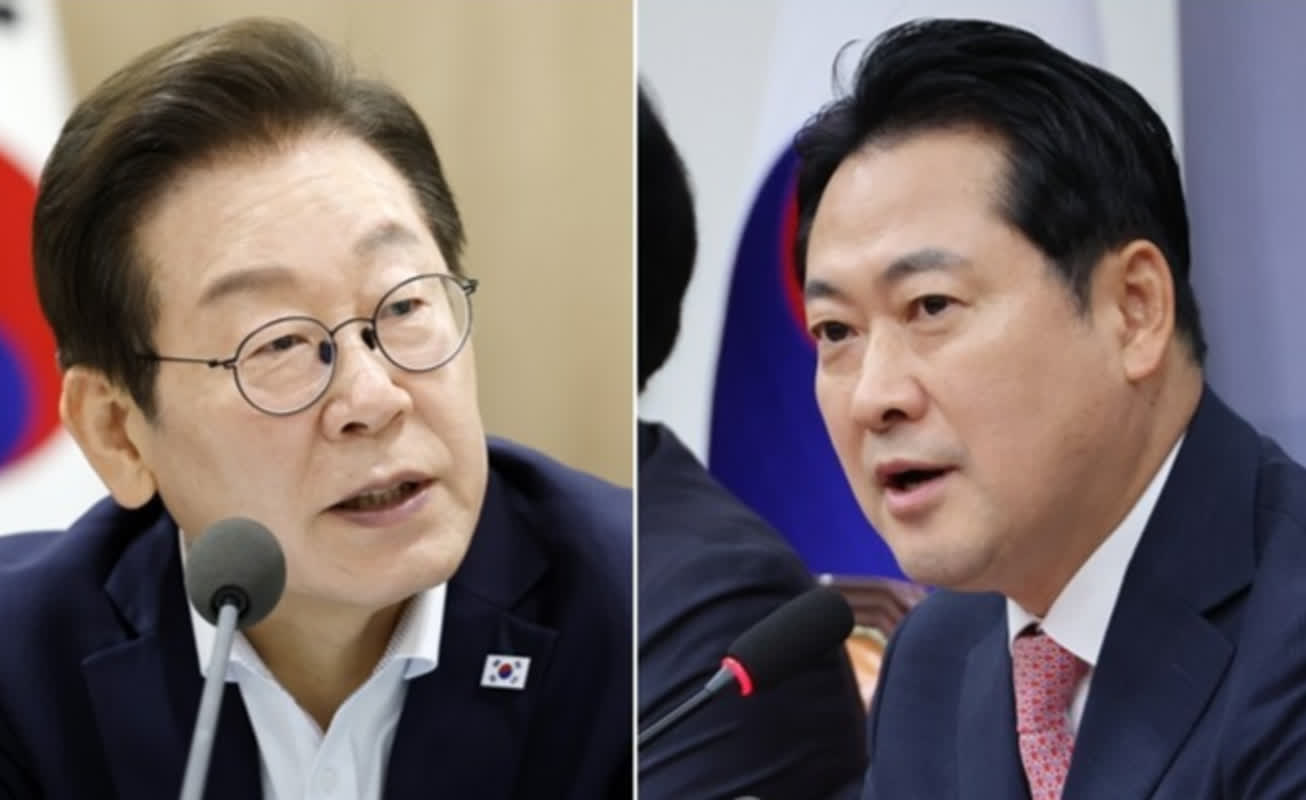
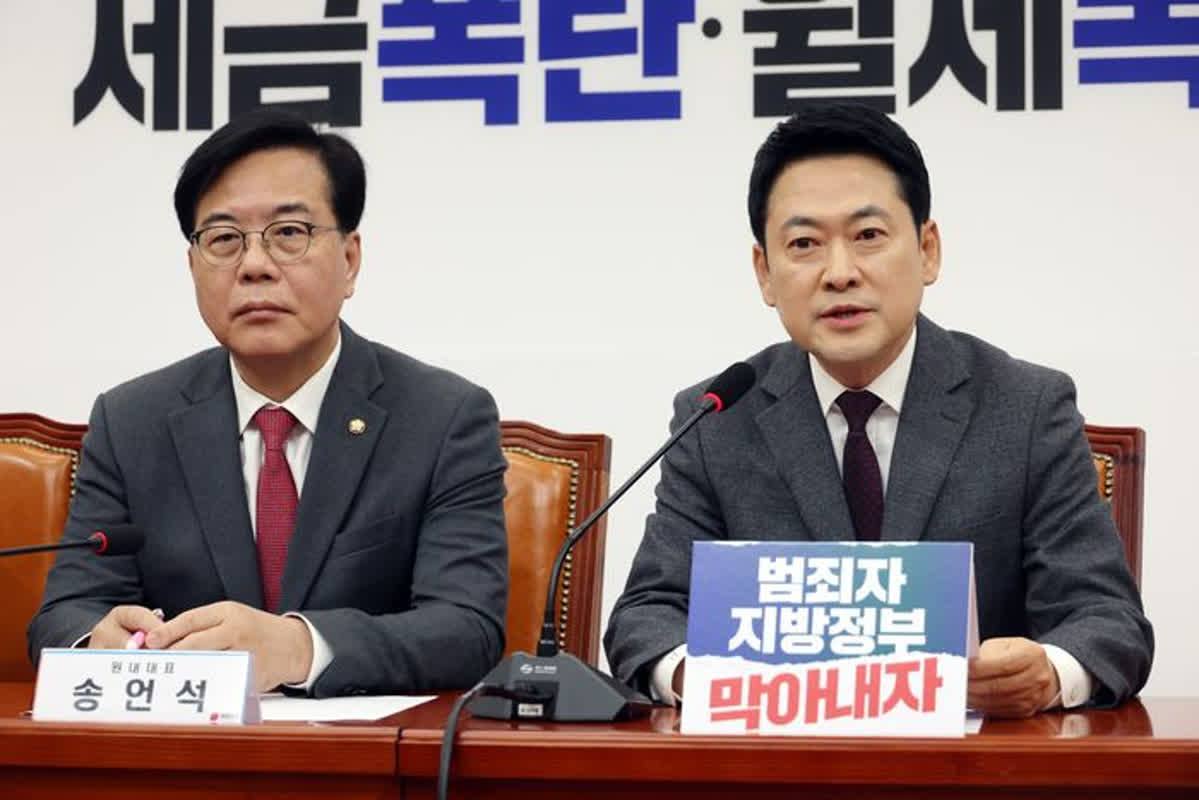
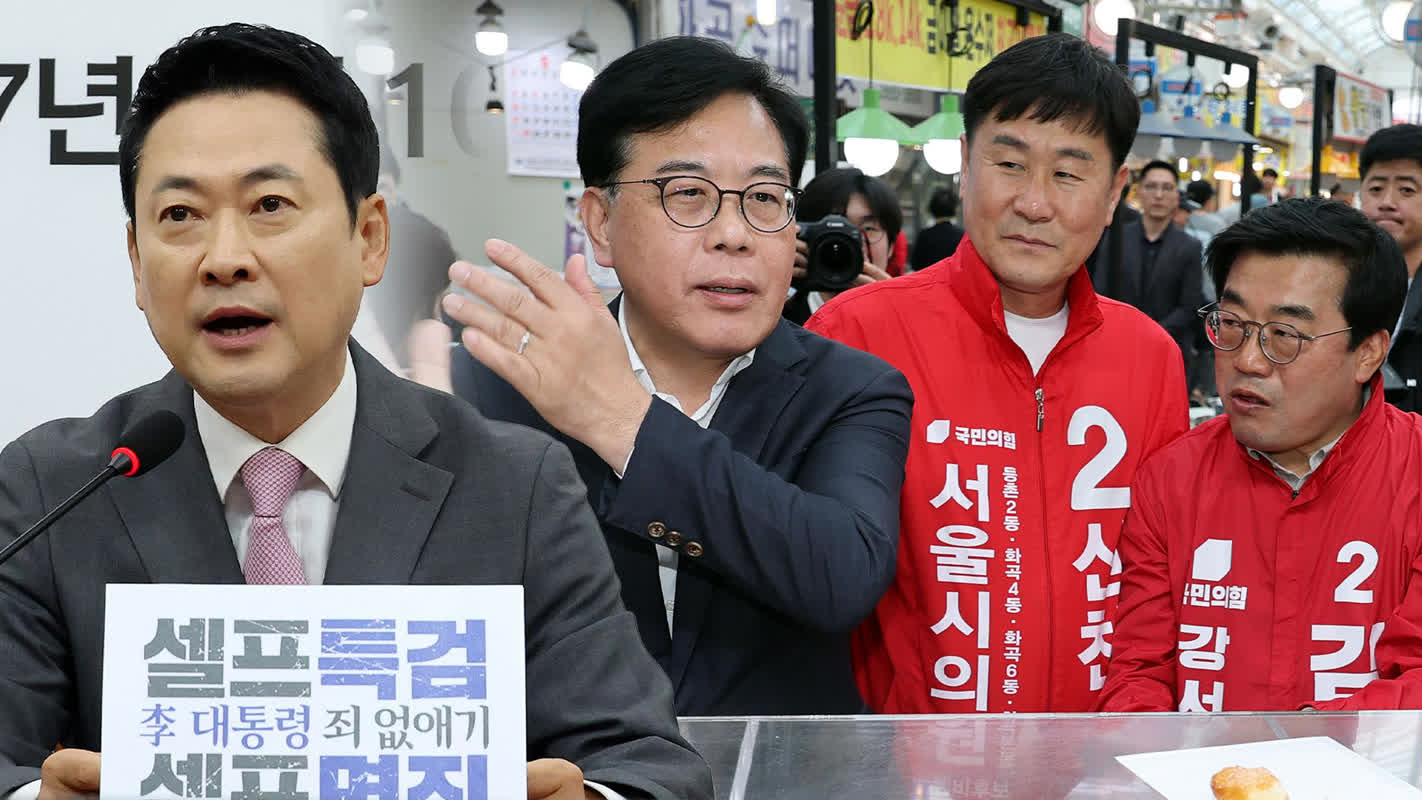
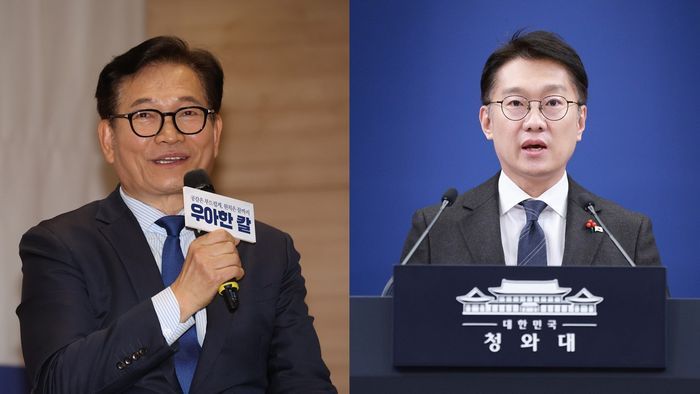
In Gyeyang B, former party leader Song Young-gil and former Blue House spokesman Kim Nam-jun have both declared bids and are intensifying outreach to local residents. Song represented the district for five terms, and after President Lee Jae-myung took office, the riding gained symbolic status as a "presidential constituency." Kim — viewed as a close aide to the president — entered the race, but tensions surfaced when Song, who was readmitted to the party after an acquittal in the "party convention cash-envelope" case, immediately reaffirmed his Gyeyang B candidacy.
Since announcing their bids in February, Song and Kim have steadily increased face-to-face campaigning to secure local support. On the 27th, Kim posted on Facebook that he visited the Seowoon Industrial Complex and the Gyulhyun vehicle depot and pledged to listen more closely to voices on the ground. After completing the 26th Incheon International Half Marathon on the 23rd, Song wrote on Facebook, "I’m running again. I won’t stop; I’ll keep moving forward."
Both say they will respect the party’s decision on Gyeyang B, but with more than two weeks before a final call, they are limited to building constituent contact. Some within the party suggest one of them should move to Yeonsu Gap, but that option grew complicated after former Incheon Mayor Park Nam-chun signaled his intent to run there.
Yeonsu Gap is a district Park represented for three terms, though he acknowledges it is a challenging seat because of strong conservative support. Park has increased voter contact by visiting senior centers and local events. The complication is that if a Gyeyang B contender shifts to Yeonsu Gap, they could face Park directly.
Local figures who have been building bases say it would be awkward to pivot suddenly to another district, but they insist they must focus on their local activities and await the party’s direction.
Kim told Dailian that because the party’s local-election schedule differs from the by-election calendar, many face the same dilemma. "I expect we’ll see results around late April, but for now I’m out meeting residents," he said. "I’ve made my intention regarding Gyeyang B clear, but I will follow the party’s decision — and I think others will do the same."
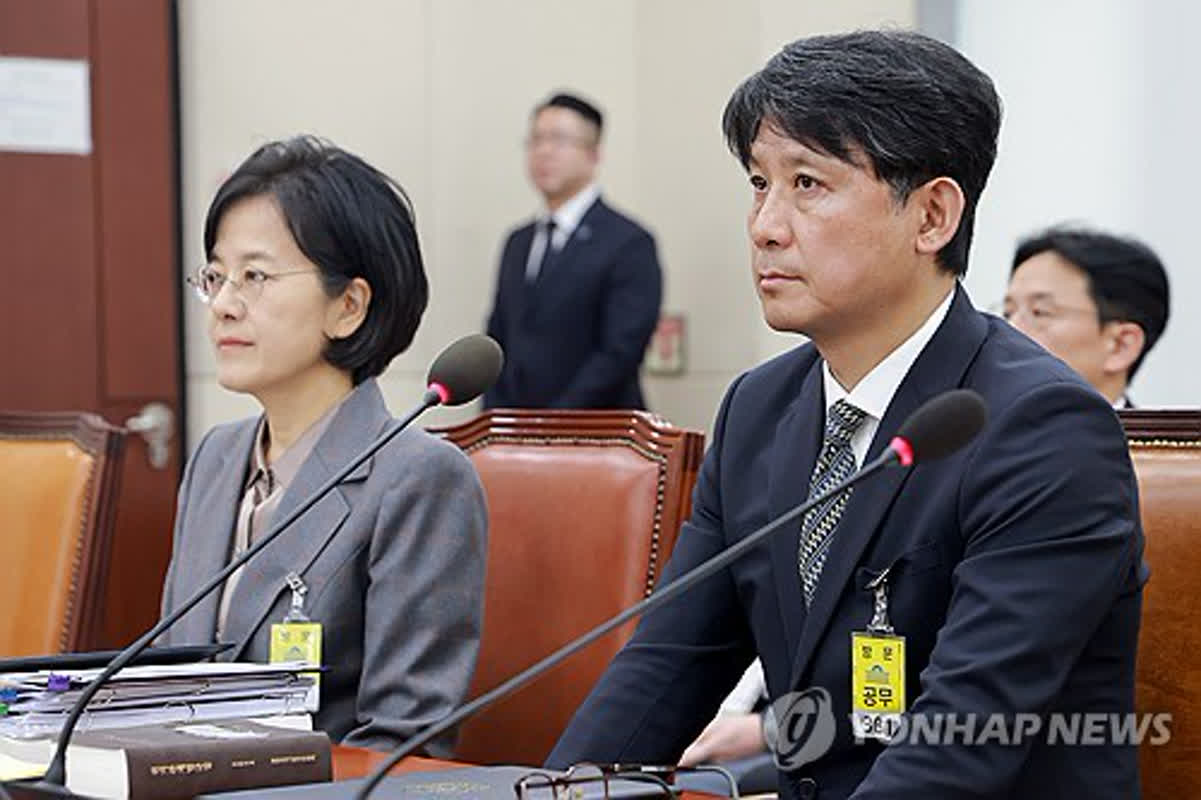
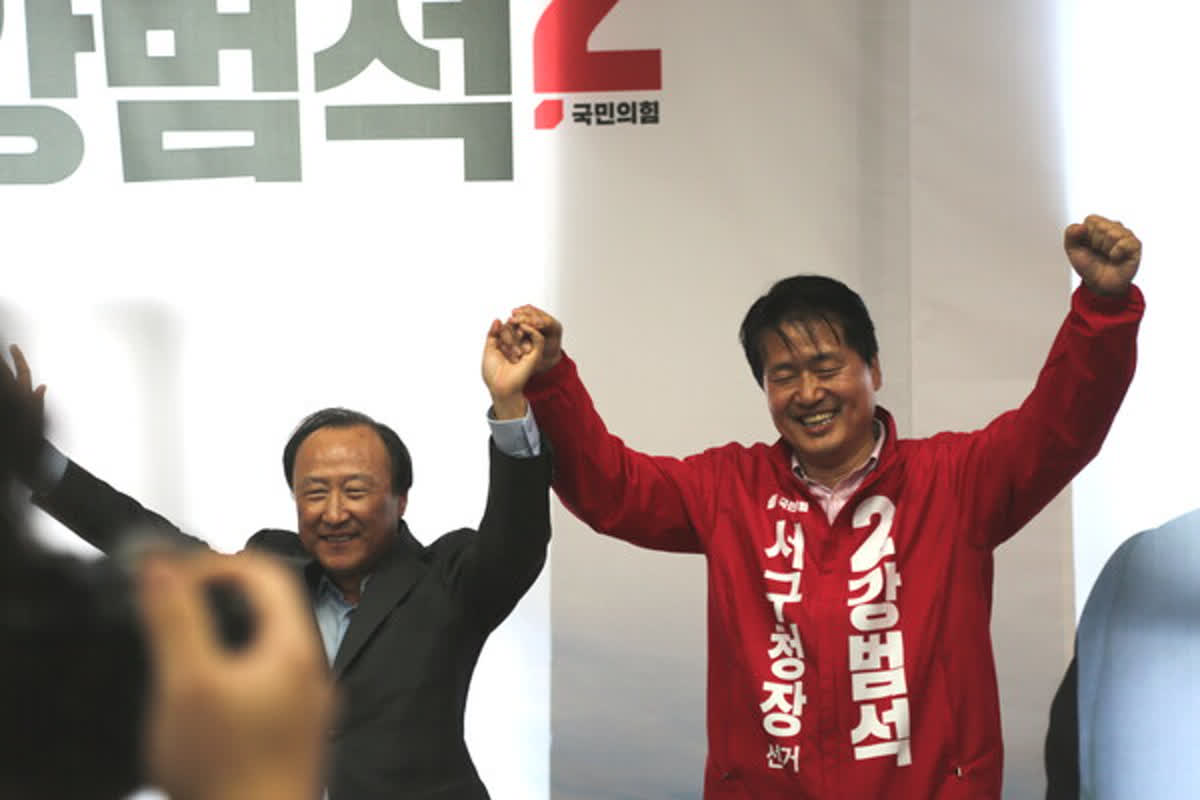
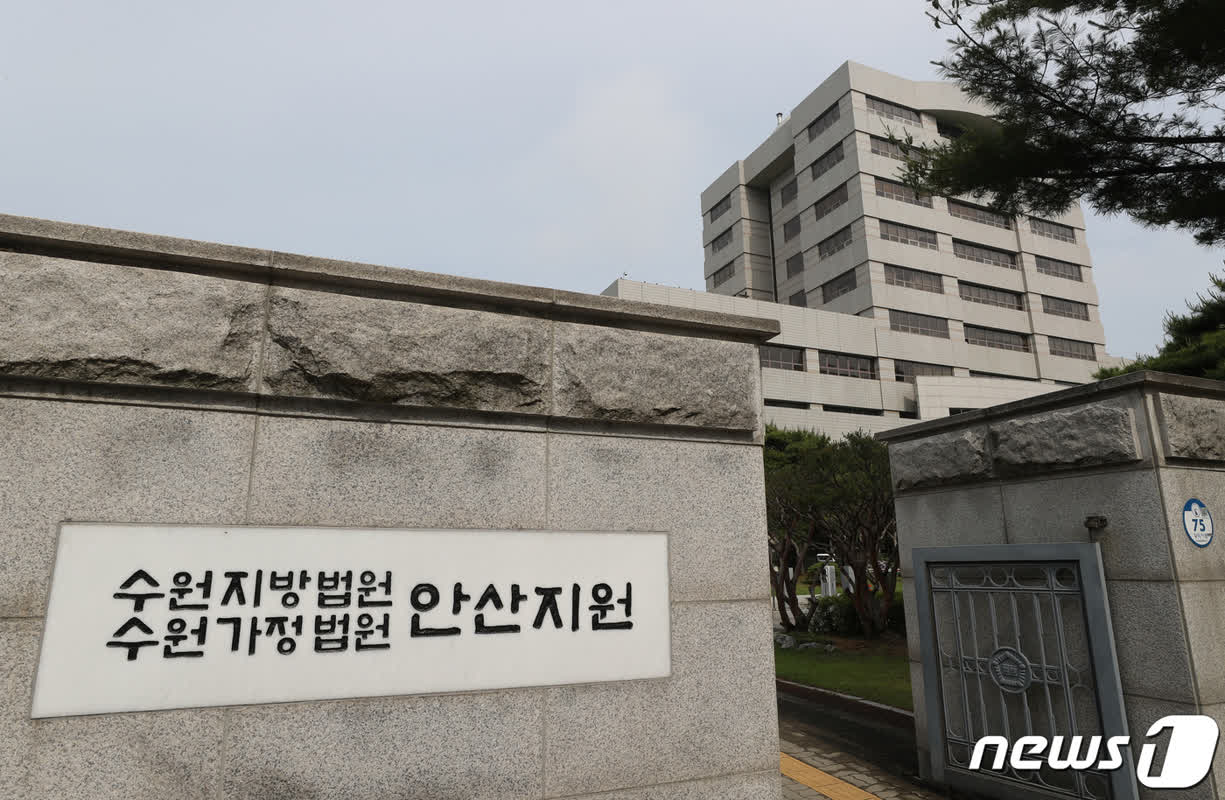
Because Yeonsu Gap offers an alternative, Song and Kim have avoided major friction so far. By contrast, Ansan Gap presents a different challenge. After former lawmaker Yang Moon-seok lost his seat, a by-election there was expected to feature former lawmaker Jeon Hae-cheol and spokesman Kim Nam-guk. Tensions intensified when Yang publicly suggested Kim Yong — a former deputy director of the Democratic Research Institute and a close aide to the president — as a potential candidate.
Jeon and spokesman Kim have largely remained circumspect to respect the party’s process, but Yang escalated tensions by asking Kim Yong to take on the Ansan Gap regional party position. On the 25th, spokesman Kim expressed displeasure on Facebook, writing that before debating who is most qualified, the party must humbly listen to the expectations Ansan citizens have placed on the Democratic Party and the heavy responsibility that entails.
Observers say the Ansan Gap contest deepens Jeong’s dilemma. Spokesman Kim is from the original pro–Lee Jae-myung "Seven" group, while Kim Yong is a figure the president has personally described as close. Jeon Hae-cheol — identified with the pro–Moon "Three Cheol" faction — held three terms in Ansan Gap but suffered a setback in the 21st general election, leaving the party with a political obligation toward him.
Analysts warn that if Jeong makes a unilateral strategic nomination without clearing the field, it could spark discord. That has prompted calls for ensuring fairness through a "strategic primary."
Jeon said strategic nominations can mean a single-candidate endorsement, but proposing a primary can also be strategic. "The party should first explain the concrete criteria and procedures for nominations," he said. He acknowledged candidates may be frustrated, but added that the party’s position is understandable and that it is important for the party to map out the broad contours of the local elections.
Across political circles, observers say Jeong’s dilemma over by-election nominations will deepen, and many urge that primaries be considered to minimize conflict.
Political commentator Lee Jong-hoon said primaries are necessary in thorny districts. "Strategic nominations may be unavoidable in some places, but where the Democratic Party can win, holding a primary can be cleaner," he said. "Sensitive districts like Gyeyang B require negotiation, and the Blue House’s intentions will matter. Given the recent merger with the Party for National Innovation, Jeong is unlikely to handle these nominations solely on his own, so I expect a reasonable solution will be sought."
© Dailian Co. Unauthorized reproduction or redistribution prohibited.