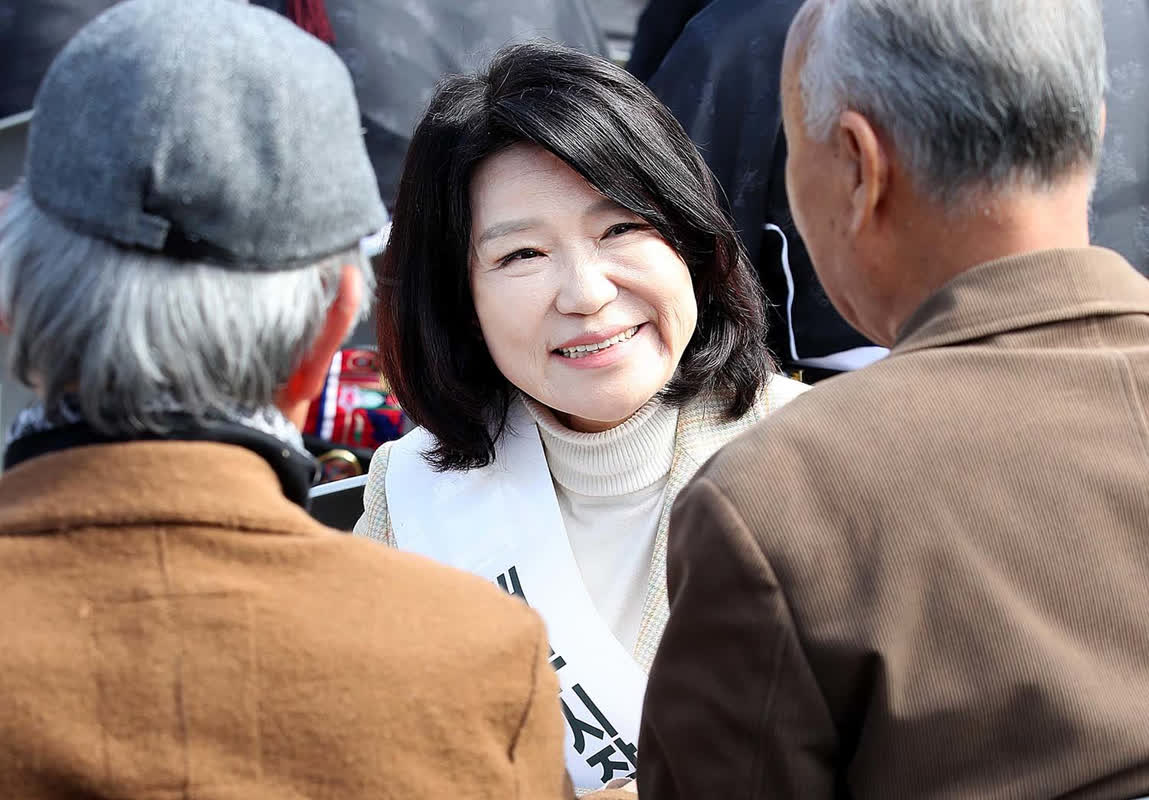
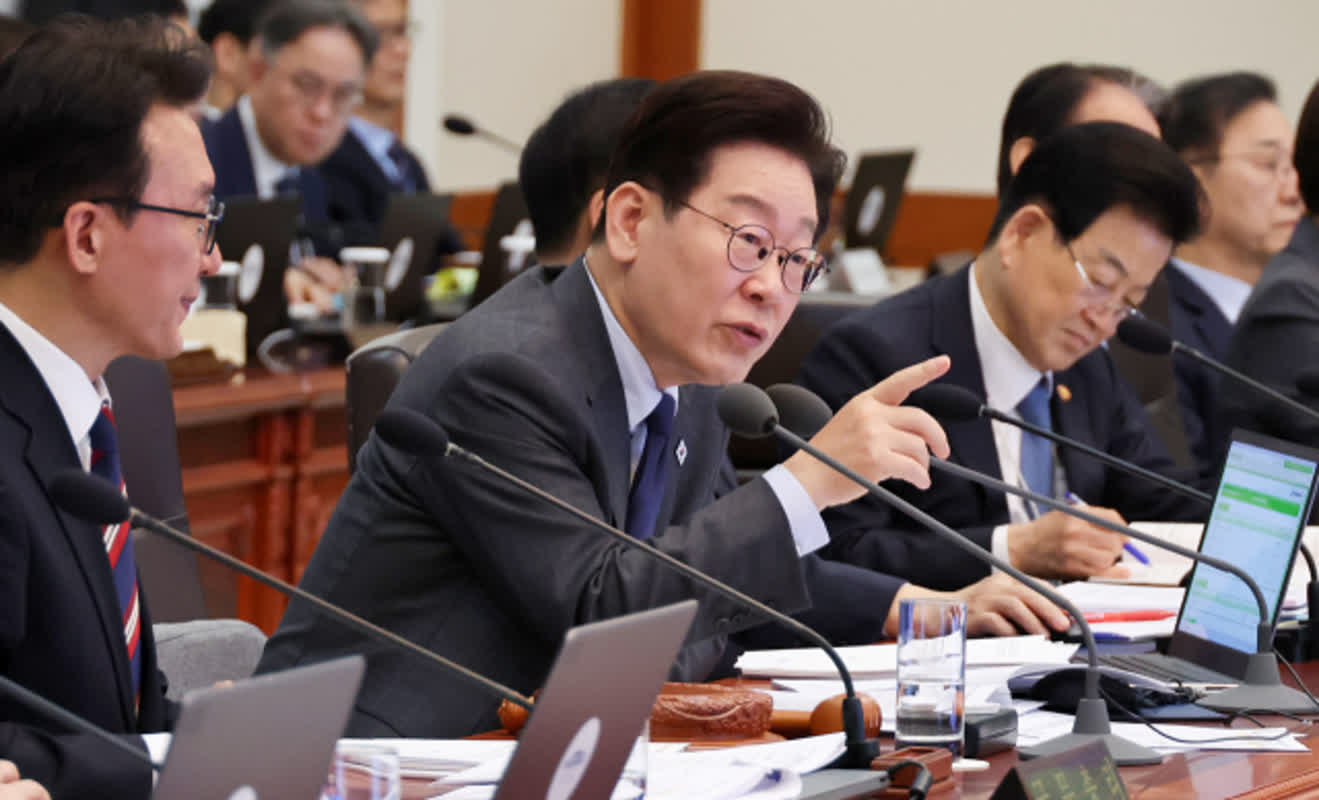
[iNews24 Reporter Han Bong-soo] Rep. Min Hyung-bae, a Democratic Party candidate in the Jeonnam–Gwangju unified special city mayoral primary, met with Mokpo residents on March 13 to hear views on how to use the 20 trillion KRW (about 136 million USD) the government plans to provide when the unified special city is launched, and on strategies for regional development.
The "20 trillion KRW Citizen Planning" listening tour is a field outreach program designed to collect citizens' policy ideas and incorporate them into the policy design for the unified special city.
![Min Hyung-bae listens to views on how to use the government\'s planned 20 trillion KRW (about 136 million USD) fund for the unified special city\'s launch and on regional development strategies. [Photo = Office of Rep. Min Hyung-bae]](https://contents-cdn.viewus.co.kr/image/2026/03/CP-2023-0087/image-433a4104-a680-4d4e-b53e-69b8677b2309.jpeg)
At the session held in the multipurpose auditorium of the Kim Dae-jung Nobel Peace Prize Memorial Hall in Mokpo, residents raised questions about the city's development path and the creation of an industrial base after the unified special city is established.
One resident noted that Mokpo, once the central city of Jeonnam, has recently struggled with population decline and industrial contraction, and called for an industrial strategy to revive the local economy when the unified special city is launched.
Another resident argued that, after integration, policies that strengthen the regional economy and industrial base are more important than disputes over the location of the municipal office.
Rep. Min responded that what matters more than where city hall is located is which industries and jobs come to the region. He said attracting advanced industrial complexes—such as semiconductor facilities—would have a far greater effect on boosting the local economy.
On the location of the unified special city's main administrative headquarters, he reiterated his existing position: in the early stages, a decentralized administrative system would operate for a set period, with functions divided among Gwangju, Muan and the eastern district, and the most reasonable long-term arrangement would be decided through citizen agreement.
During the discussion, participants also proposed institutionalizing citizens' policy ideas. One attendee suggested a program that solicits solutions to social problems from residents and compensates contributors with a portion of the revenue if their ideas are implemented.
Another resident asked how officials would secure the 20 trillion KRW (about 136 million USD) in support funding for the unified special city, expressing concern that insufficient legal foundations could prevent the funding from materializing.
Rep. Min replied that, given the government's policy commitment and political agreement, it is unlikely the support would be withheld. He pledged to work to establish clearer legal grounds to secure financial support.
Rep. Min began his listening tour in Suncheon on Feb. 5 and has since gathered citizen feedback across Jeonnam and Gwangju, visiting Gangjin, Jangheung and Goheung; Gwangju's Nam-gu; and the Haenam, Wando and Jindo areas.
Rep. Min said the Jeonnam–Gwangju Special City will be built on five principles—growth integration, balanced integration, basic income, green cities and citizen sovereignty—and pledged to make citizen sovereignty, in which residents define the details of integration and plan their future, the central guiding principle.