|
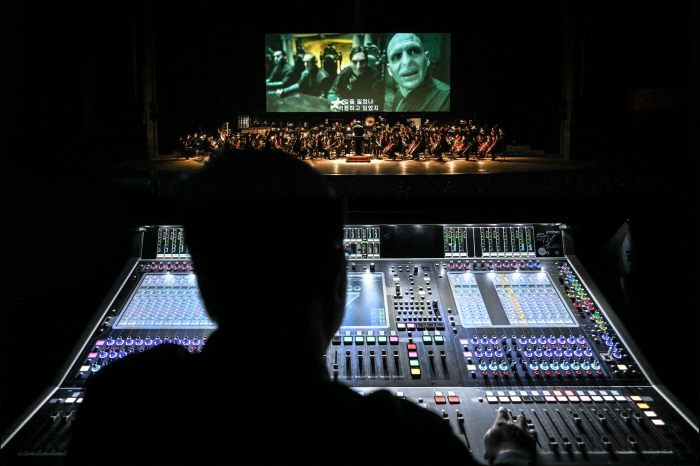
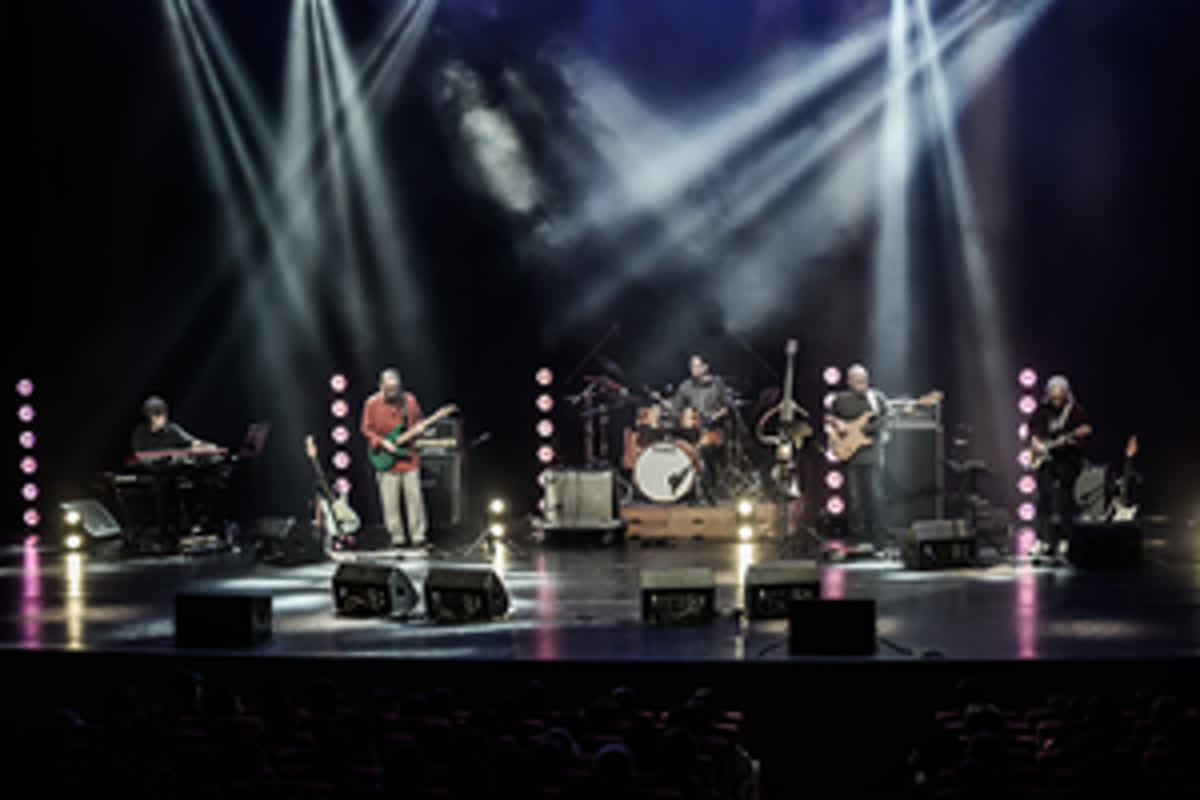
You see the change across venues. Leading ensembles, including the National Symphony Orchestra, have presented back-to-back film-music concerts. Large halls such as Sejong Center, the Seoul Arts Center and Lotte Concert Hall are increasingly programming film, animation and game OSTs. Some events sell out almost immediately after tickets go on sale, underscoring their commercial draw.
Industry insiders point to shifting audiences and box-office reliability as the main drivers. Film and game music concerts draw younger and family audiences and rely on widely recognized content, which makes it easier for venues to secure steady attendance. Observers also say these events have lowered the barrier to attending concerts. Where classical halls once felt unfamiliar or forbidding, performances tied to popular culture are recasting them as more welcoming cultural spaces.
Still, many in the field worry this trend does more than expand audiences: it may be reshaping the structure of classical programming itself. The primary concern is a shrinking presence for traditional repertoire. Because film and animation music concerts often promise higher ticket sales, programmers are prioritizing them over canonical symphonies by Beethoven, Brahms and Mahler. Some analysts say this shift is moving the very center of classical programming.
Critics also argue public funding structures are reinforcing the trend. When audience numbers and box-office potential become key evaluation metrics, planners gravitate toward relatively safe, familiar programs. One industry official said, \"In the name of audience development, programming has tilted toward familiar content, and the momentum to sustain canonical repertoire or experimental projects is weakening.\"
Musicians raise concerns about musical standards on these stages. Pairing music with film clips or game footage can heighten immersion, but as attention shifts toward visuals and narrative, focus on musical interpretation and sound quality can suffer.
There are also warnings about long-term harm to orchestras' artistic capacity. If ensembles repeatedly present shorter, familiar pieces instead of large-scale symphonies or operas, their reservoir of musical experience could erode. Some players say opportunities to tackle more demanding works are shrinking: \"We have fewer chances to perform increasingly challenging repertoire.\"
Analysts note another problem: audience crossover has not materialized as hoped. Many people who come for film and game concerts do not go on to attend traditional classical programs; they remain loyal to specific genres. In other words, halls have succeeded in filling seats, but that success has not always built the kind of sustained audience circulation needed to grow the classical market.
That said, many reject a purely negative view of film and game music concerts. Music critic Lim Se-yeol argues that film and game music are simply different genres from classical performance. Their musical character and core audiences differ, so it is hard to say their popularity necessarily cannibalizes demand for traditional classical concerts. He notes that many well-known orchestras abroad also program film-music events, suggesting domestic ensembles' experiments are part of a broader trend.
Lim cautions, however, against lumping film and game music together with classical music under a single support system or calling them a straightforward \"popularization\" of classical music. \"You can support film and game music,\" he said, \"but you should treat them as a separate genre. Classical music needs its own support structure as an independent art form.\" He added that if government funding concentrates on genres that already enjoy ample demand, that approach could cut against the public purpose of protecting artistic diversity.