Rising New-Car Prices Boost Demand for Subscriptions
Automakers Expand Into Mobility Services
Market Spreads from Carsharing to Tire Subscriptions

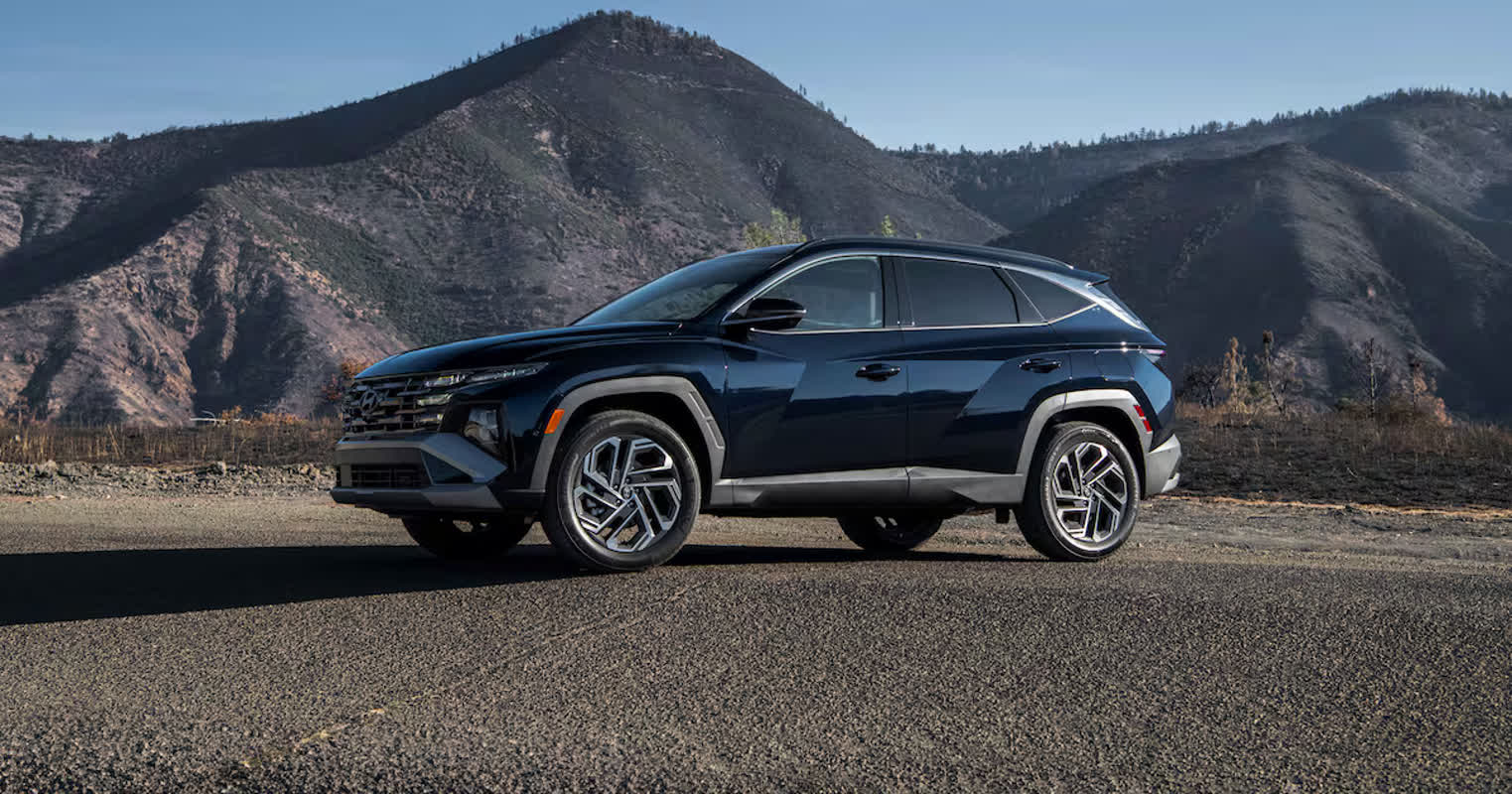
Hyundai Santa Fe – Source: Dakipost
Rather than buying vehicles outright, more consumers are opting for vehicle subscription services that let them use a car for a defined period. These subscriptions are emerging as a new model for mobility consumption.
With new-car prices and ownership costs climbing, many buyers are shifting from ownership to usage-based mobility services. The growing acceptance of shared mobility has accelerated that transition and helped the market expand rapidly.
Automakers and mobility providers are responding by treating subscriptions as a strategic business line and accelerating investment in related services.
Hyundai to Amend Bylaws to
Expand Mobility Business
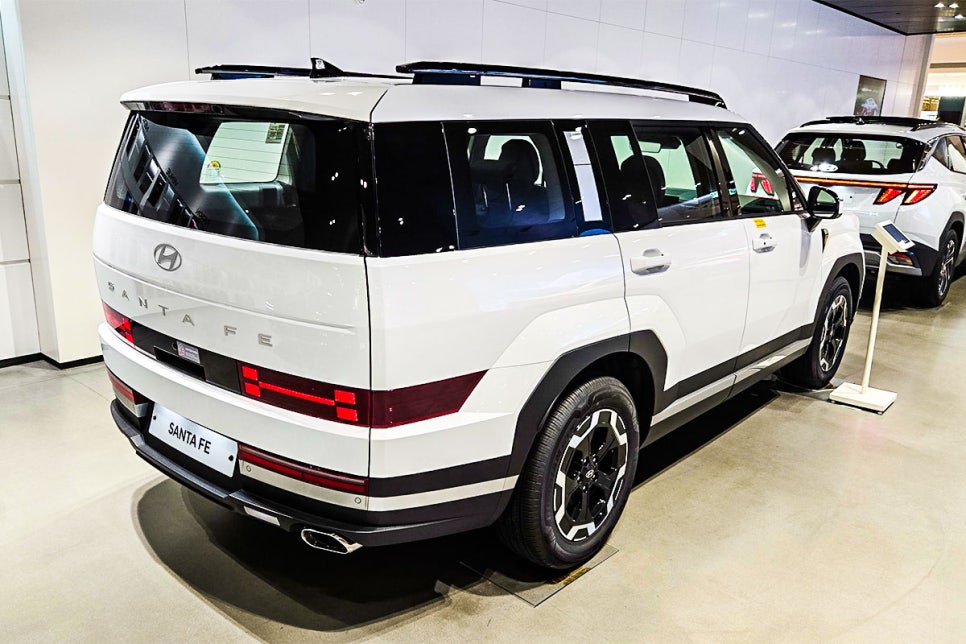
Hyundai Santa Fe – Source: Dakipost
Hyundai Motor plans to put a proposal on the agenda at its regular shareholders’ meeting at its Seocho headquarters in Seoul on the 26th to add “vehicle rental business” to its corporate bylaws.
The amendment would mark a shift from a sales-centric model toward building a direct operating base for subscription and rental mobility services.
Hyundai already operates subscription programs called “Hyundai Selection” and “Genesis Selection,” which let customers rent vehicles by the day or month and sample different models, from sedans to SUVs.
About 56% of subscribers are in their 20s and 30s, indicating subscriptions are gaining traction as a mainstream way for younger consumers to access cars.
If approved, the bylaw change would allow Hyundai to expand beyond partnerships with rental companies and move toward owning and operating its own subscription fleet.
Kia and KG Mobility Also Expand Subscriptions

Genesis GV80 – Source: Dakipost
Kia is also stepping up its subscription mobility offerings.
Kia operates “Kia Flex” through its app, allowing customers to use models such as the Ray EV, EV9 and K9 for set periods. Subscribers can swap cars monthly, and long-term members receive discounts.
The service area has also expanded beyond Seoul and the greater capital region to major cities including Busan, Daejeon–Sejong, Gwangju and Daegu.
Last year KG Mobility entered the market with a subscription service called “Mobiling.” Customers can take models such as the Torres and Actyon on a monthly basis, with insurance, taxes and maintenance included.
Notably, these plans typically require only a monthly fee—no deposit or down payment—and include vehicle inspections and consumable replacements as part of the package.
Market Expands to Carsharing and Tire Subscriptions
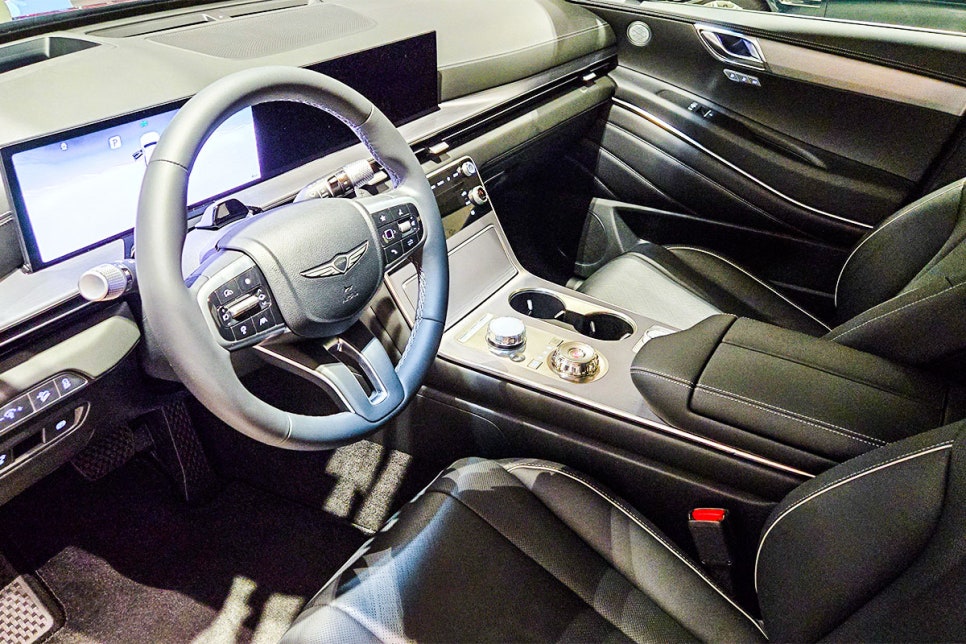
Genesis GV80 – Source: Dakipost
As the vehicle subscription market grows, carsharing firms are beefing up their service offerings.
Socar improved its revenue mix by expanding carsharing and returned to operating profit last year. This year it plans to push its subscription product, “Socar Plan,” by adding premium imported models such as Tesla, Porsche and Volvo to strengthen its lineup.
Subscriptions are appearing in the parts and service side of the industry as well. Kumho Tire converted a mobile tire-installation service—previously operated with a rental-platform partner—into a subscription product.
Industry sources say rising vehicle prices, higher ownership costs and the spread of shared mobility are shifting car consumption from ownership to usage. They expect subscription demand to rise particularly among younger buyers who face high upfront purchase costs.