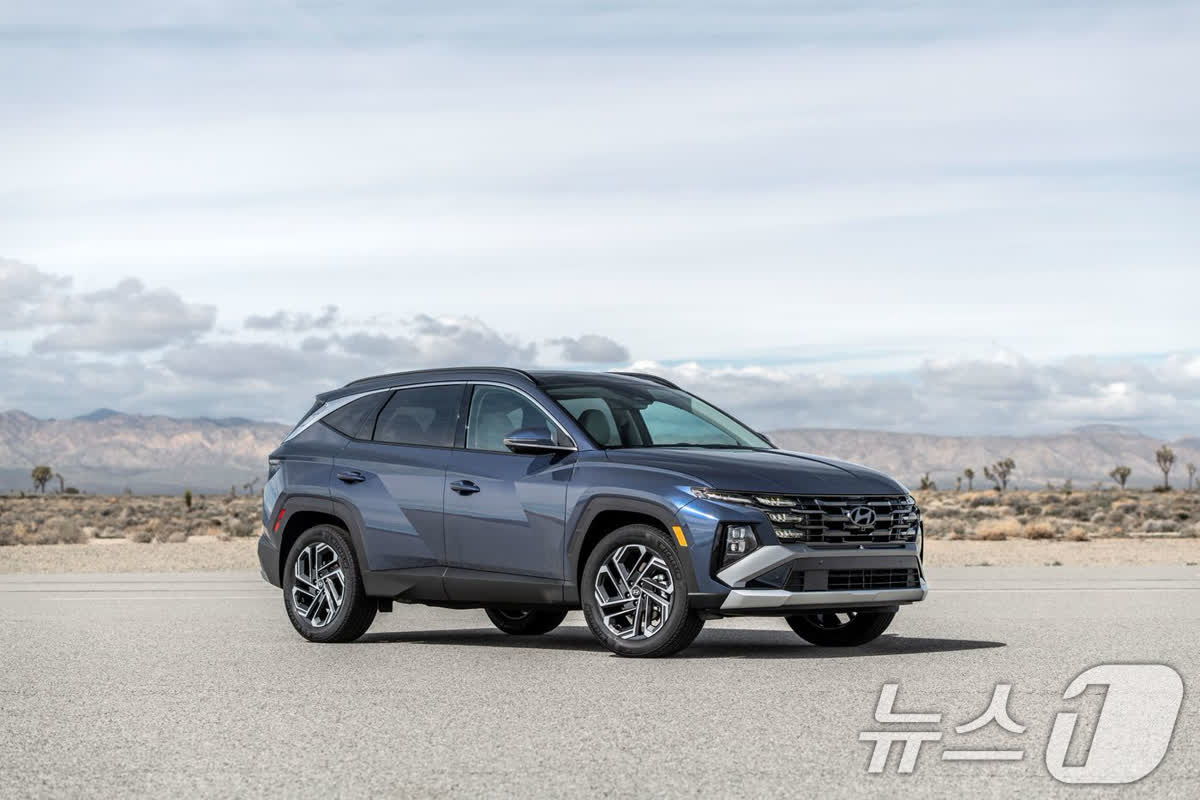
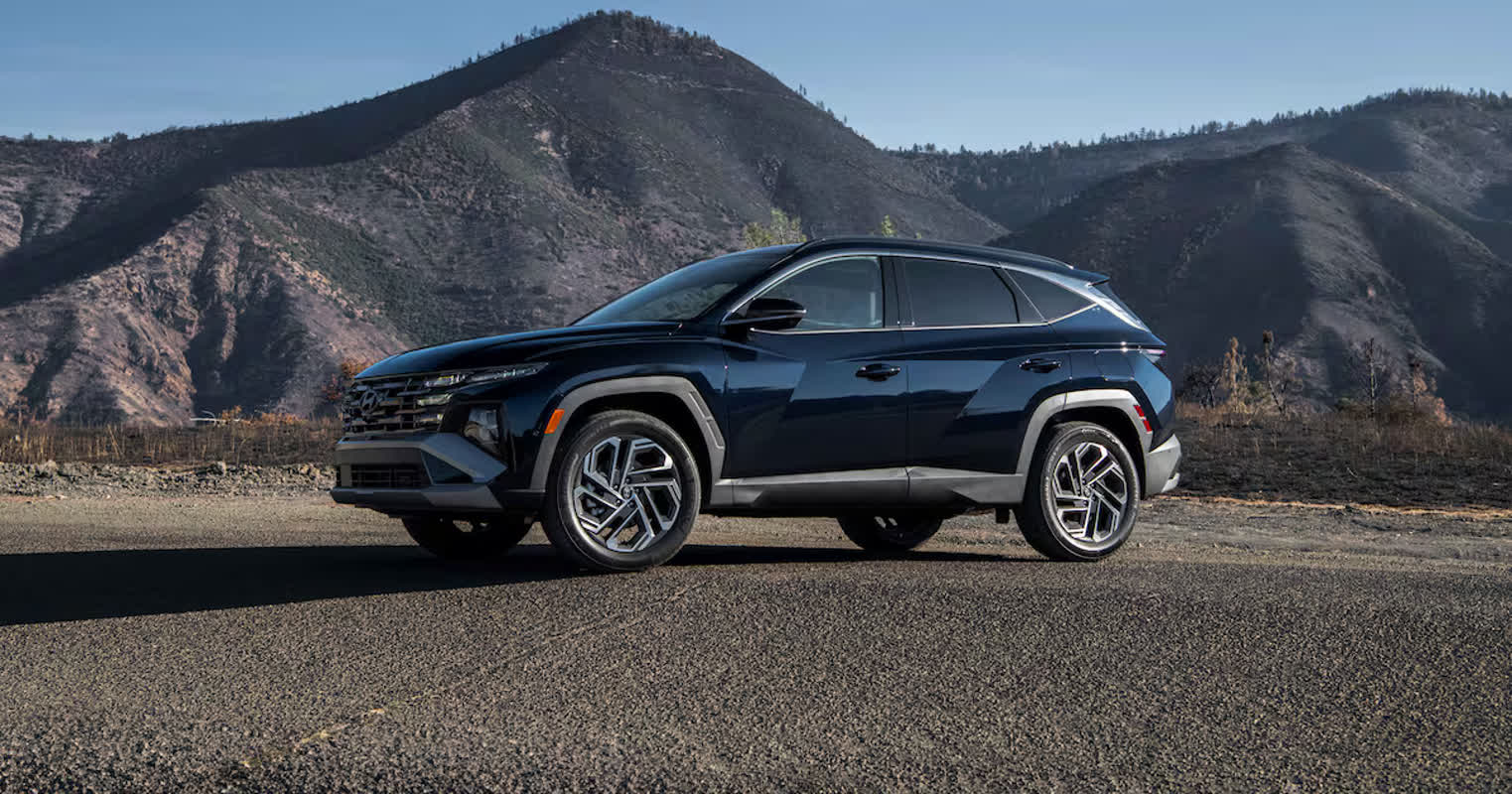
As the conflict involving the U.S., Israel and Iran drags on, South Korea’s auto industry is coming under increasing strain. A naphtha shortage — naphtha is a primary feedstock for petrochemicals — has disrupted parts production, and a newly discussed five-day driving restriction could further depress demand.
On March 30, industry officials said the Korea Automobile Industry Cooperative Association (KAICA) has begun surveying raw-material inventories at roughly 700 first-tier suppliers that serve the country’s five automakers. A KAICA spokesperson said most suppliers have inventory buffers and don’t expect immediate production stoppages, but they are closely monitoring the situation in case the conflict continues.
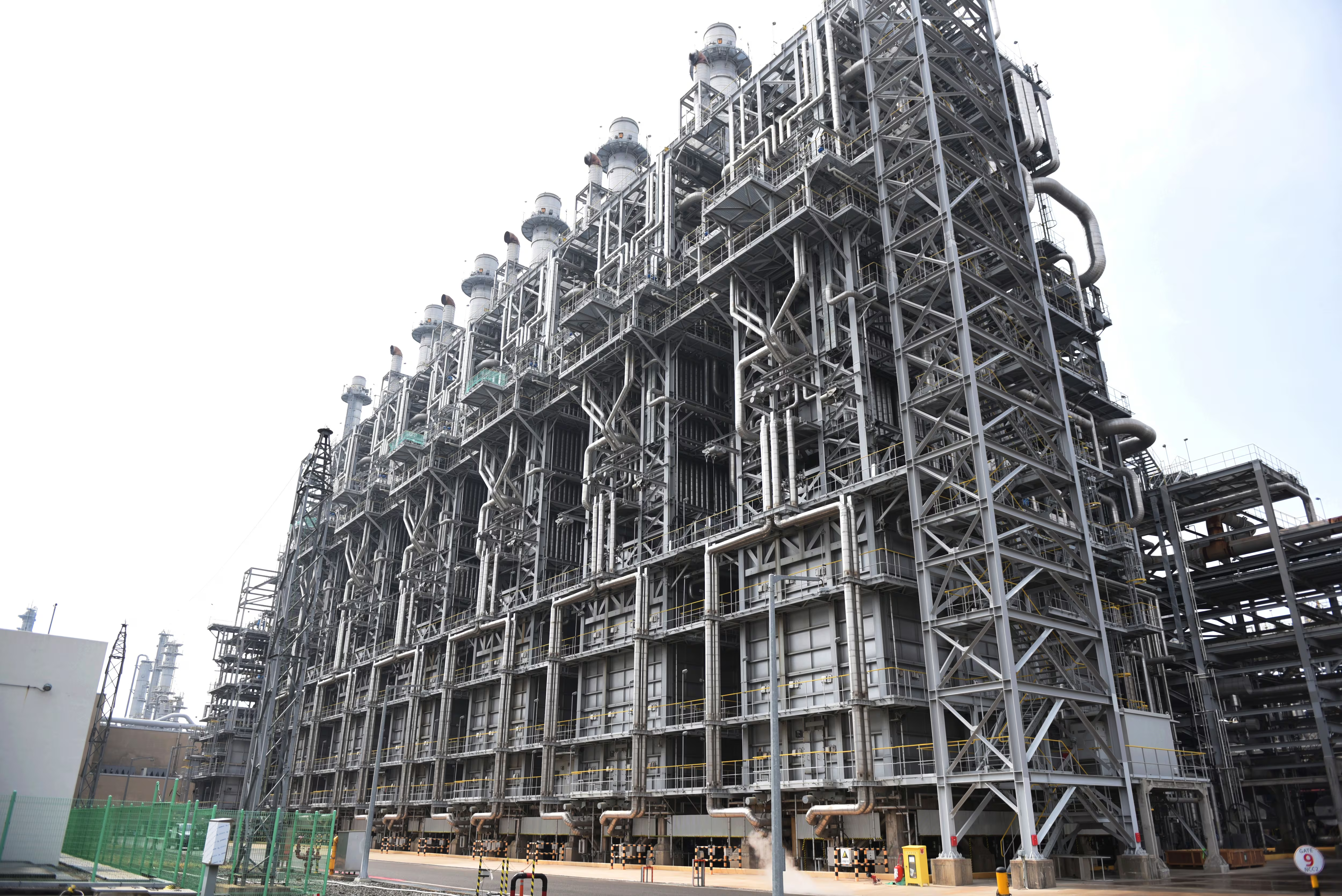
KAICA stepped in after concerns grew that the Middle East crisis could choke off naphtha supplies and hinder parts production. Many automotive components — from headlamps and bumpers to switches and interior mats — are made from plastics, synthetic rubber and fibers derived from processed naphtha.
The Nikkei reports that Mitsubishi Chemical Group, a naphtha supplier to Japan’s auto sector, has already started raising prices for certain plastics.
Tire makers are also watching raw-material flows closely. Tires rely heavily on natural and synthetic rubber and carbon black, and more than 60% of a tire’s weight comes from petroleum-derived materials. An industry source said that even if the U.S.–Iran conflict ended immediately, it would take time for supply chains and pricing to stabilize, so companies are lining up alternative suppliers where possible.
With the Strait of Hormuz already affected, the prospect that the Red Sea corridor to Europe could be disrupted is adding to automakers’ cost pressures. On Feb. 28, Yemen’s Iran-aligned Houthi rebels said they would join Iran in a fight against the U.S. and Israel, stoking fears they could close the Red Sea chokepoints near their strongholds.
The Red Sea route to the Suez Canal is the most efficient shipping lane between Asia and Europe. When the Houthis blocked the Red Sea in November 2023, vessels bound for the Suez had to reroute around Africa’s Cape of Good Hope, and shipping costs jumped by more than 20%.
Japanese automakers have already trimmed production in response to Middle East logistics disruptions. Nissan plans to cut about 1,200 units this month at its Kyushu plant in Fukuoka Prefecture, and Toyota will reduce production of roughly 40,000 vehicles destined for the Middle East through April.
An industry source noted that unlike smaller exports such as smartphones and semiconductors — which can be flown — cars and tires must go by sea. During the COVID-19 era, freight rates surged roughly eightfold, dealing a heavy blow to automakers. Combined with U.S. tariffs and rising shipping costs, the source warned, these factors could significantly erode operating profits this year.
Rising oil prices have also renewed concern that a government-led five-day driving restriction could become an industry headwind. The measure restricts vehicle use on certain days based on the last digit of the license plate.
At present, the restriction applies only to government fleet vehicles and employees’ personal cars, but authorities have said it could be extended to the public if international oil prices climb to $120–$130 a barrel. On the day reported, the Brent crude benchmark rose to about $115 a barrel.
Tire makers typically derive roughly 30% of sales from new-vehicle fitments and about 70% from replacement tires. With higher fuel costs pushing more commuters to public transit, analysts warn that expanding driving restrictions would further weaken replacement-tire demand.
A tire industry official noted that while many auto parts are replaced on a fixed cycle, consumers often defer tire purchases until tread wear makes replacement necessary. If the conflict drags on and private-car use continues to decline, tire demand is likely to fall as well.