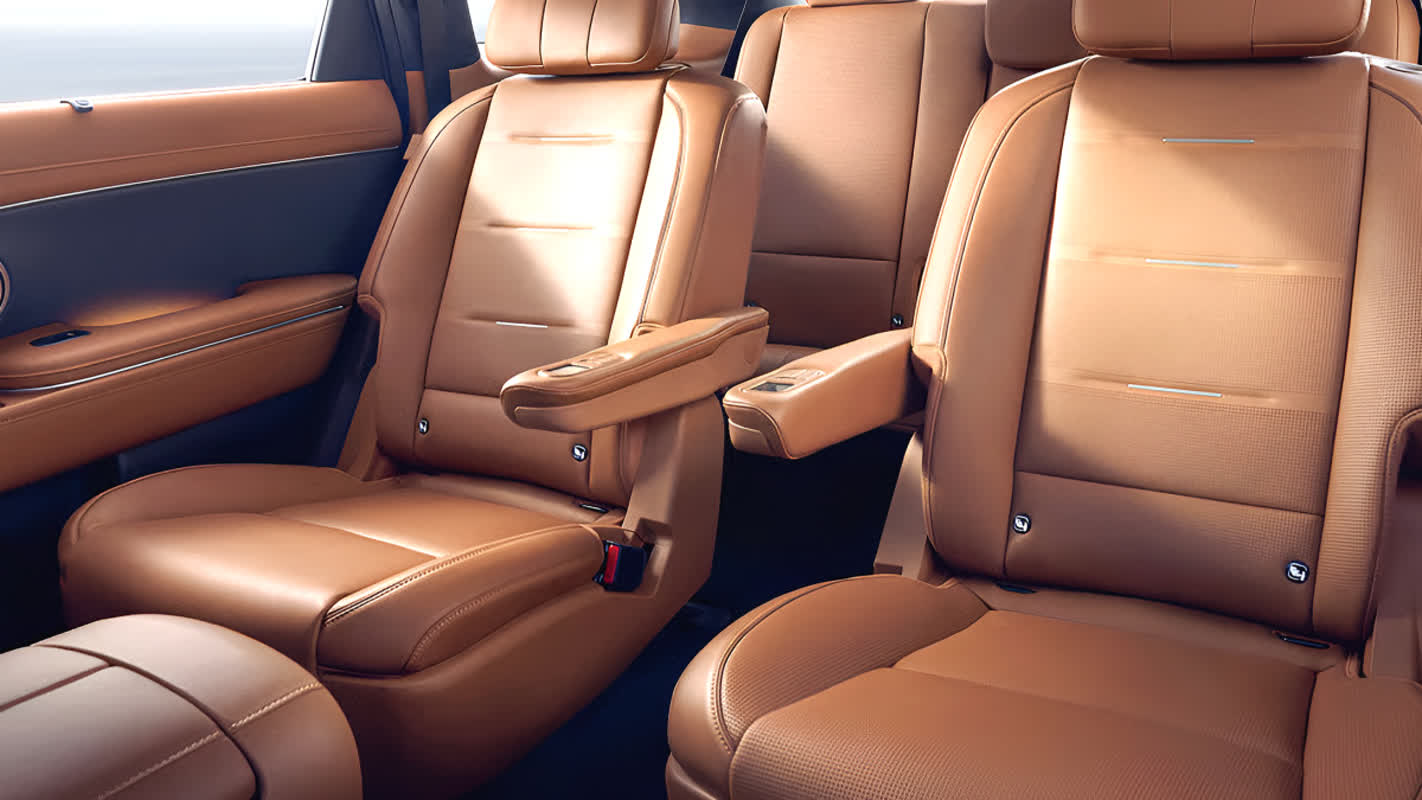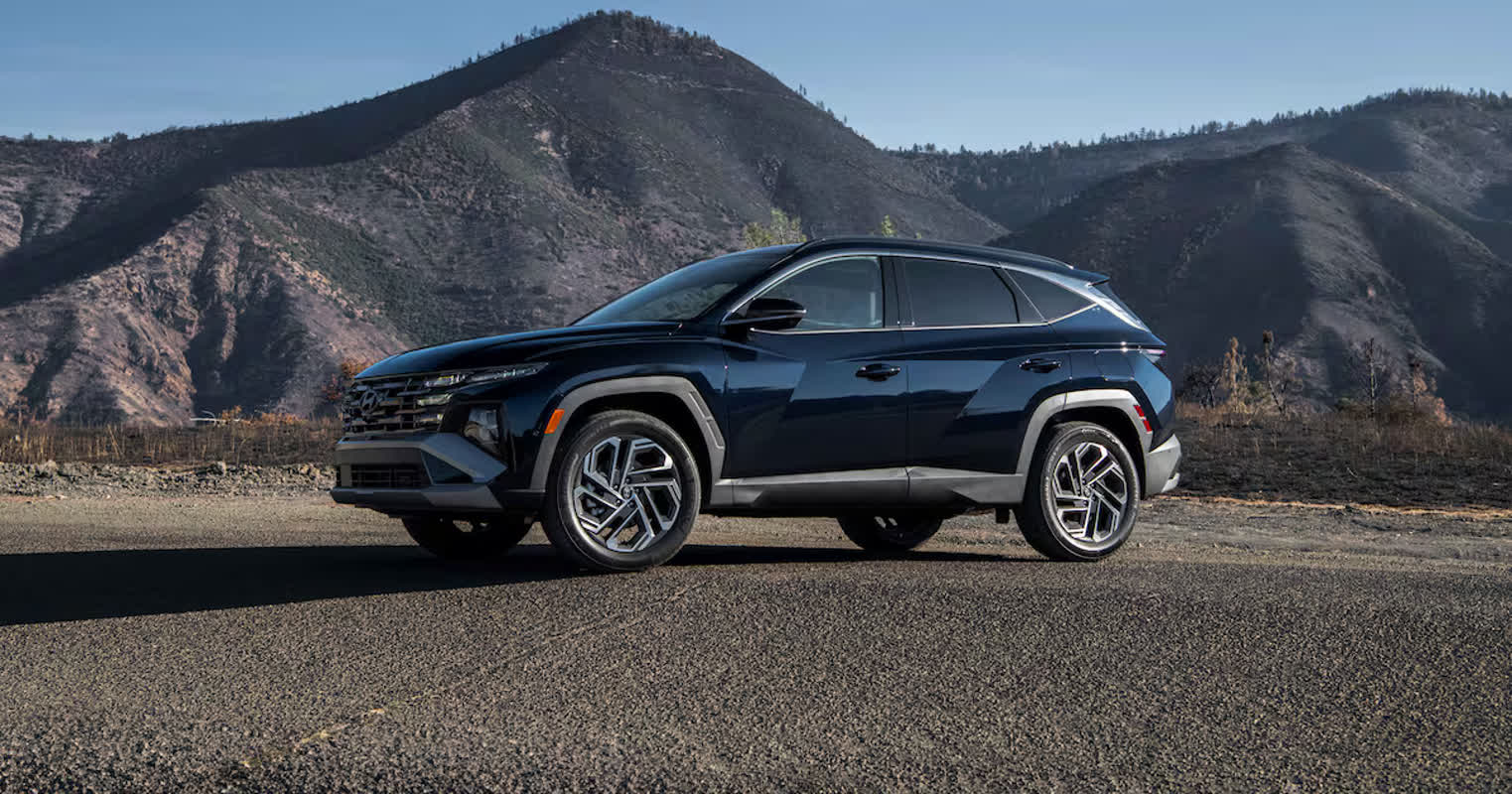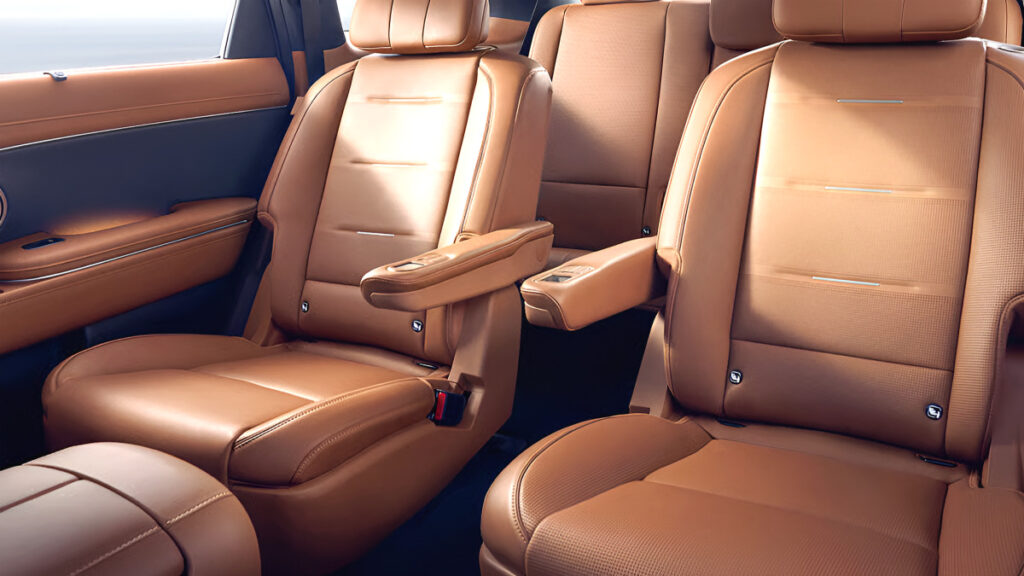
An automatic-seat defect that first surfaced in Hyundai Motor’s flagship large SUV, the Palisade, has prompted a rapidly expanding recall.
After emerging in South Korea and then in the U.S. and Canada, the campaign has widened to include Kia’s sibling model, the Telluride HYBErid, putting significant pressure on Hyundai Motor Group’s brand reputation.
Industry analysts caution, “When a best-selling family vehicle faces a safety issue, the reputational and commercial damage can be catastrophic,” and they are monitoring the situation closely.
Malfunctions and Pinch Risks While Driving — Why the Defect Is Especially Alarming for Family Vehicles
The power-seat malfunction at the heart of this extensive recall is not merely an inconvenience: it can directly endanger occupants.
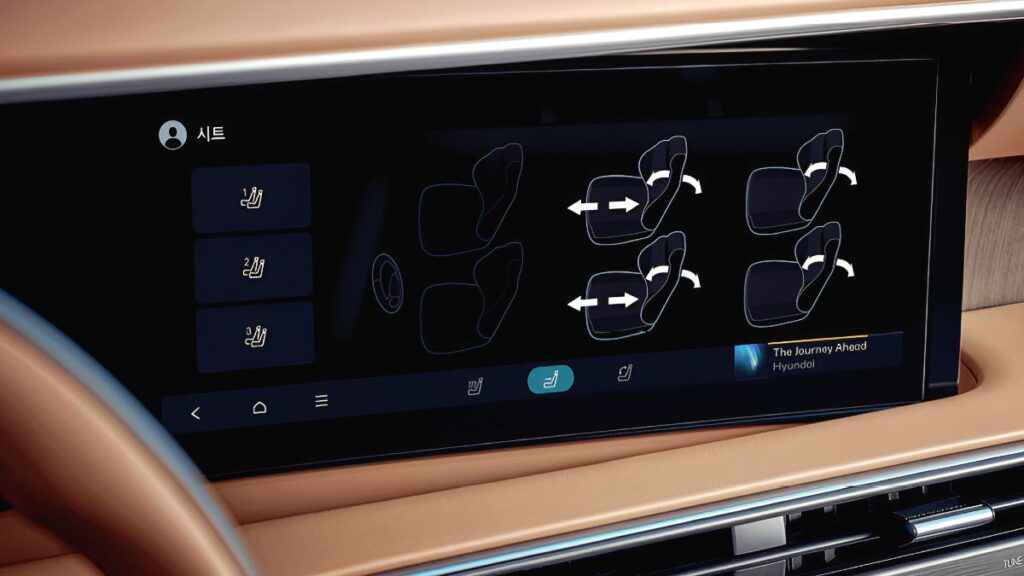
A fault in the electric seat-control circuit can cause second- or third-row seats to fold or move unexpectedly while the vehicle is in motion or parked — independent of driver or passenger input.
In large SUVs, rear seats commonly carry young children or have child safety seats installed.
If a seat suddenly folds or shifts at highway speed, it can crush a child in a car seat or eject a passenger, resulting in potentially fatal injuries.
The prospect that a vehicle marketed and relied upon as a family safety platform could instantly become a hazard has left many consumers alarmed.
Palisade Recall Spreads Across Korea, U.S. and Canada — Telluride HYBErid Added to the List
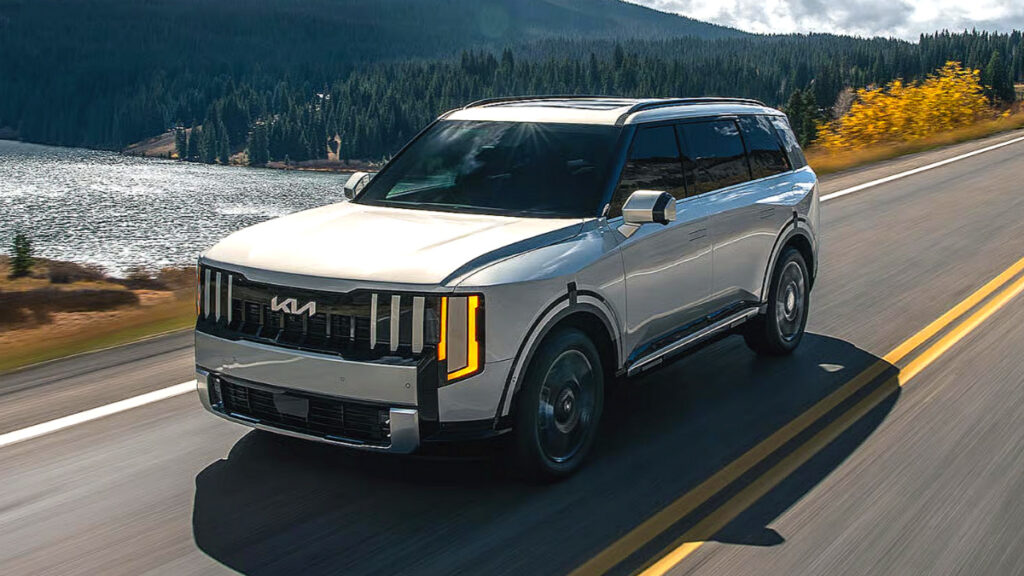
The issue surfaced with the Hyundai Palisade. In late March, Hyundai announced a recall covering roughly 58,000 Palisades in South Korea; shortly afterward, U.S. and Canadian regulators issued similar recall directives for the same defect.
The recall then widened: Kia’s North American bestseller, the Telluride — which shares major components and its platform with the Palisade — was found to have the same automatic-seat control-module defect in its latest HYBErid variant and was added to the recall list.
Both the Palisade and Telluride are high-volume, profitable models and have become shorthand for reliable family SUVs in many markets.
As these flagship SUV lines face scrutiny, the fallout has intensified rapidly.
“The Paradox of Popular Family Cars” — A Painful Blow to Brand Trust

Experts say this recall could inflict reputational damage on Hyundai Motor Group far beyond a typical defect case.
An industry source noted, “A defect in a sports car or sedan may be an individual inconvenience, but a family-car safety issue threatens children and loved ones. That creates a much deeper sense of betrayal among consumers. The more relied upon and best-selling the family vehicle was, the more lasting the brand damage after a safety scandal.”
Online car forums and parenting communities are filled with anxious reactions: “We bought this for family trips and camping — it’s terrifying the seat can move on its own,” and “I was waiting for my Telluride HYBErid delivery; now I’m considering canceling my order.”
Hyundai Motor Group, which has been performing strongly in North America, now faces a crisis triggered by an unexpected seat-control defect. Restoring consumer confidence and its reputation for safe family vehicles will require more than parts swaps — it will demand rigorous quality reforms and transparent, decisive follow-up measures.